


Whatever your discipline — MTB, Road, Touring, Urban — fitting good lighting to your bike is essential, whether to be seen or to see. Power, battery life, position and size are all factors to take into account. But it is not easy to find your way among the multitude of products and the different units of measurement used by manufacturers. Here is some guidance to help you select the right equipment.
LIGHTING SPECIFICATIONS
- The different units of measurement: Lux, lumen;
- The different types of lighting: standard bulb, halogen, LED;
- The power supply types: batteries, rechargeable batteries, dynamo, e-bike;
- The lighting modes;
- The installation methods.
UNDERSTANDING LIGHTING
THE DIFFERENT UNITS OF MEASUREMENT
Depending on the manufacturer and the product, the power of a light may be expressed in Lux or in Lumens. These two values do not refer to the same concept but are complementary. The Lumen (lm) is a unit of power measuring the luminous flux that a light can produce in all directions. This value is the same regardless of the distance of the illuminated object, and can be given for the LED or for the light itself. In the latter case, the value is lower because light loses power as it passes through the lens, but it is the most honest value as it is the one perceived by the human eye.
On the other hand, the Lux (lx) is a unit measuring the illuminance of a surface (a road, a tree, …), i.e. the quantity of lumens received per square metre. This value therefore varies according to the distance from the light source, but also according to the quality of the lens. Concretely, 1 lux = 1 lumen/m². The Lux value is generally measured at a distance of 1 or 10 metre(s).
It is also worth mentioning the Candela, which expresses the luminous intensity at the output of the source. However, this unit is increasingly less used by equipment manufacturers.
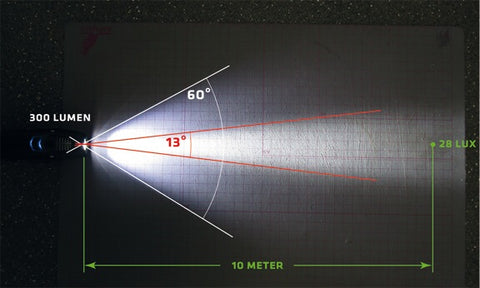
If data is only provided in Lux, it is therefore important to know the distance at which this value is calculated. It is also useful to know the beam diameter when the source is at 1 or 10 metres in order to find the light best suited to your riding style. Thus, two lights may display an identical number of Lux at 10 metres while differing in terms of Lumens. In that case, the additional lumens are used to create a wider beam in order to cover a larger area.
300 Lumens / 28 Lux at 10m
500 Lumens / 28 Lux at 10m
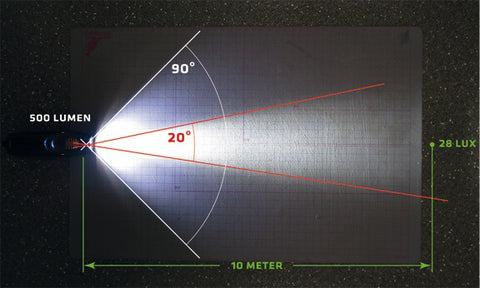
Additional power can thus be used, depending on the situation and needs, to illuminate further, wider, or both. A powerful light is intended to illuminate the road or path over a distance of at least 20 metres but must also illuminate the sides in order to have the most complete and safe vision possible. The challenge is then to obtain a wide enough beam without dispersing the light too much while maintaining strong illumination on the central portion.
TYPES OF LIGHTING
There are three types of lights:
The standard bulb is the most affordable as its technology is the simplest. But the power is often limited and the lighting of poor quality.
It is now only found on entry-level models.
The halogen bulb can operate at a higher temperature than standard bulbs, making it more efficient than standard lamps. However, it is very energy-hungry and is therefore gradually being replaced by LEDs.
LED bulbs now represent the standard. Indeed, they have a much longer lifespan (approx. 100,000 h) and can produce more light than halogen or standard bulbs while requiring less energy.
If the bulb provides the power, the beam is shaped by the lens or a reflector.
With a standard reflector, there is no real control of the light. The bulb shines directly outward with a therefore inefficient result. This type of reflector is only used on basic products.
Unlike the standard reflector, the lens allows light to be controlled, in order to create a very smooth gradient or, on the contrary, a very bright central point, depending on the lighting objective.
Finally, it is possible to use a modern reflector, where the LED is placed horizontally, directed straight at the mirror. This allows maximum control of the beam, or even the creation of several beams from a single bulb.
The power supply type
Battery-powered lights (rechargeable or not depending on the model) represent a simple and economical solution. While they are compact and lightweight, their reduced battery life combined with the absence of a charge indicator requires great vigilance on the part of the user so as not to run out of light mid-journey. Furthermore, due to this limited autonomy, these lights often display limited power. They should therefore be reserved for occasional use on short trips, preferably in lit areas.
Rechargeable battery-powered lights, most often via USB, have a much greater battery life and/or can power more powerful lighting. They have the advantage of being able to be recharged quickly and easily (for example at the office, using a simple USB cable). It should be noted that for the most powerful models, the battery may be external. Heavier and more bulky, it allows in return to be mounted remotely (frame, backpack) in order to maintain a good weight distribution, particularly for helmet lights.
Dynamo lights have little in common with those used in the past. The roller hub on the rear wheel is tending to disappear as it has the disadvantage of creating friction that slows the bike down and of only providing weak lighting at low speed, or even switching off when the cyclist stops. The dynamo is now increasingly often housed in the front hub and coupled with a capacitor that allows the lighting to remain on even when stationary. A solution found notably on urban and touring bikes.
Finally, most urban electric bikes are fitted with specific e-bike lights. These draw their energy from the bike's battery. In addition to continuous operation — i.e. including when stationary — these lights have the advantage of adapting not only to ambient brightness to be effective day and night, but also to the cyclist's speed. Some are even connected to the brake levers to signal braking. In all cases, compatibility with your motor system must be carefully checked.
It should be noted that while battery-powered and rechargeable lights are removable, dynamo lights and e-bike lights are generally fitted directly to the bicycle.
LIGHTING MODES
Lights increasingly offer more modes to adapt to every situation: whether you want to be seen or to see, whether you ride in a lit urban area or in a forest, during the day (to attract the attention of other road users), or at night...
In general, steady modes are better suited for seeing, while flashing modes illuminate less effectively but attract the attention of other vehicles more easily. They are also less energy-hungry, providing better battery life for your lights. When choosing your lights, carefully consider the different modes, and above all for each of these modes, the associated power and battery life. There is no point opting for a light offering a multitude of options if, for example, you only make short trips in an urban area.
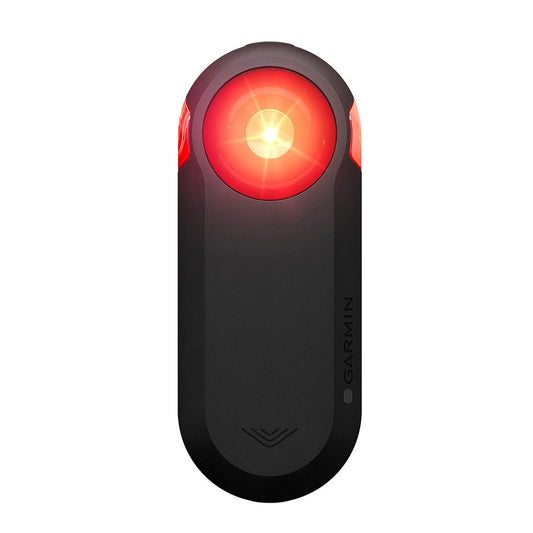
There are also bicycle lights with radar. These high-end models can be connected to GPS bike computers and adapt to traffic accordingly. The intensity of the light beam varies according to the speed of the bicycle, other vehicles, and ambient brightness. The light illuminates more or less far when you slow down or stop.
WHERE AND HOW TO FIT MY LIGHTS?
First of all, here is what the regulations provide regarding bicycle lighting:
- At least 1 yellow/white light and 1 white reflector at the front;
- At least 1 red light and 1 red reflector at the rear. The lighting angle must be at least 120°;
- At least 1 orange reflector on each pedal and on the sides (spokes or tyres).
The Highway Code provides no details on lighting power or electrical supply.
Then, on a practical level, small lights are in most cases attached using a silicone strap allowing them to be attached and removed very easily and to fit most bikes.
More powerful and therefore more bulky lights generally require a bracket mount, most often without tools.
Depending on the case, lights are supplied with one or more mounting systems, with adapters that may be included as standard or available as options.
Rear lights can be fitted depending on the case to the seatpost (the most common), the seatstays, the luggage rack, the mudguards, backpacks or saddle bags fitted with a loop.
At the front, while fitting to the handlebar is the most common for removable lights, dynamo and e-bike lights are generally installed at fork level. It is also possible to fit certain lights to the helmet, which allows you to direct the beam towards wherever you are looking — ideal on winding routes. The optimal solution is to combine a helmet light creating the most distant bright point with a handlebar light providing the widest possible beam.
WHICH LIGHTS FOR MY RIDING STYLE?
In the city, if you only ride on well-lit roads, a simple set of lights, with a steady mode and a flashing mode, and 5 to 10 lumens at the rear and 20 to 30 lumens at the front will be perfectly adequate.
If you only use your bike occasionally, battery-powered lights will be more than sufficient. For daily use (commuting) and/or over long distances, rechargeable battery lights, preferably USB-charged, will naturally be the obvious choice.
If your journey includes less well-lit sections (peri-urban areas), a rear light of around 20 to 50 lumens and a front light between 30 and 200 lumens, with various steady and flashing modes, will ensure optimal safety and good road illumination.
In all cases, if you park your bike in the street, opt for easily removable lights and take them with you when you have locked your bike. Bicycle lights are frequently targeted by thieves.
For road cycling, prioritise a powerful rear light so that motorists can see you from a distance and have time to react, particularly on roads with an 80 km/h speed limit.
A power of 100 lumens will be the minimum to ensure visibility over several hundred metres. At the front, a light of 200 to 800 lumens with a main beam illuminating far ahead (at least 100 metres) and a secondary beam illuminating the sides represents a safe and effective solution. You will find models up to 1,500 lumens if you are looking for total comfort. In that case, make sure to position your light correctly so as not to dazzle oncoming road users.
For MTB, it is recommended to fit a more powerful front light, as the priority is to see as far and as wide as possible in order to anticipate trajectories as best as possible. 500 lumens is a minimum; you will be truly comfortable from 1,000 lumens onwards, with the most powerful models offering 2,000 lumens. Ideally, combine a light on the handlebar with a light on the helmet to ensure the widest possible field of vision.
At the rear, a light of 10 to 50 lumens will be sufficient in most cases if you only ride on paths closed to motor traffic.
ACCESSORIES - Lights
-
GARMIN VARIA RADAR RTL 515 Rear Light
Regular price 139,90 €Regular priceUnit price per -
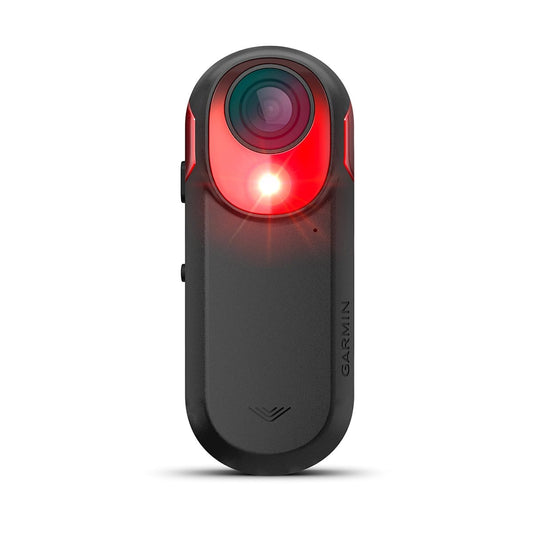
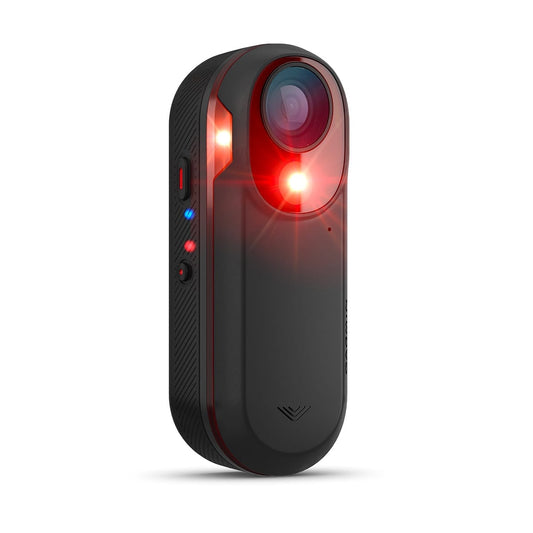
GARMIN VARIA RADAR RCT 715 Rear Light
Regular price 359,90 €Regular priceUnit price per -

 New
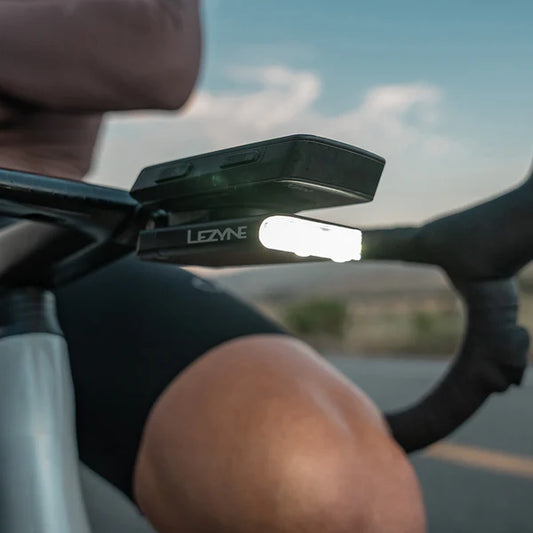
NewLEZYNE ROAD DRIVE 500 Front Light
Regular price 59,99 €Regular priceUnit price per -
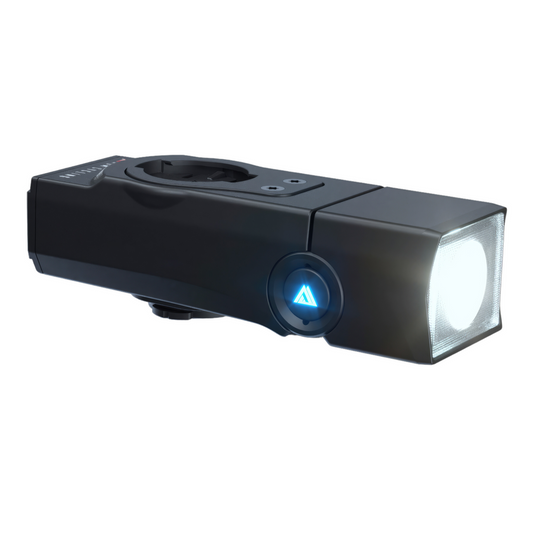
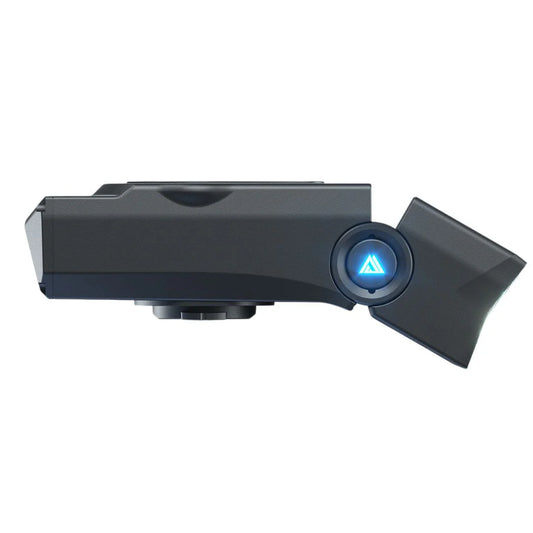
KOM CYCLING QUICK RELEASE LIGHT 1000 Front Light
Regular price 69,99 €Regular priceUnit price per -
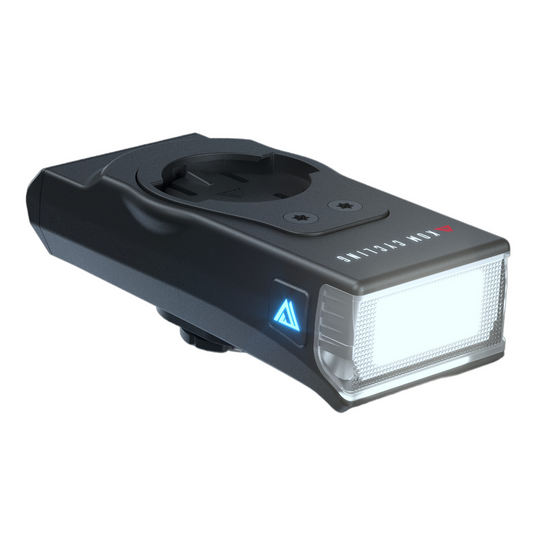
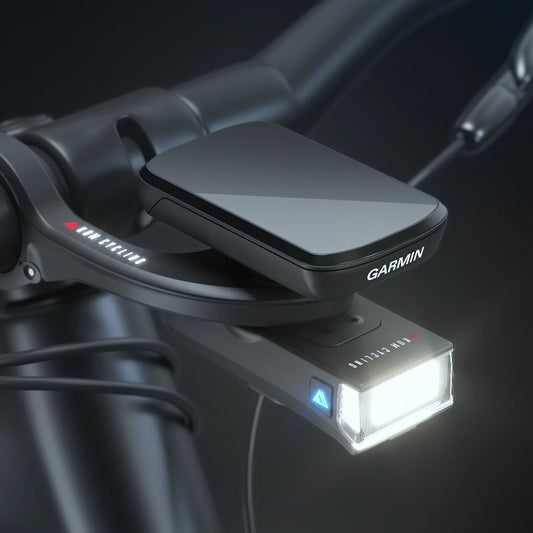
KOM CYCLING QUICK RELEASE LIGHT 350 Front Light
Regular price 39,99 €Regular priceUnit price per -
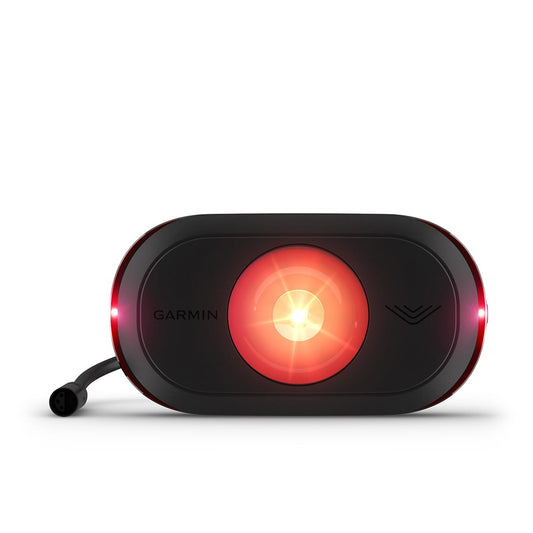
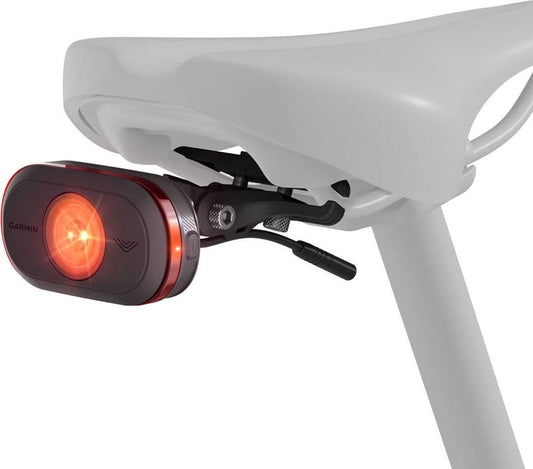
GARMIN VARIA RADAR eRTL615 Rear Light
Regular price 289,90 €Regular priceUnit price per -

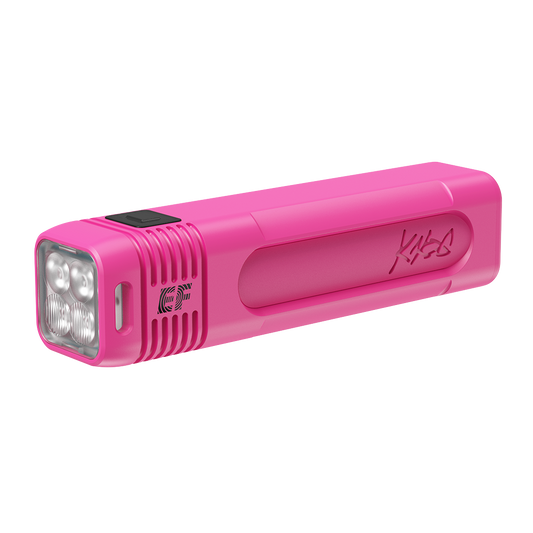
KNOG BLINDER PRO 900 Front Light E.F. Pro Cycling Limited Edition Pink
Regular price 79,99 €Regular priceUnit price per -

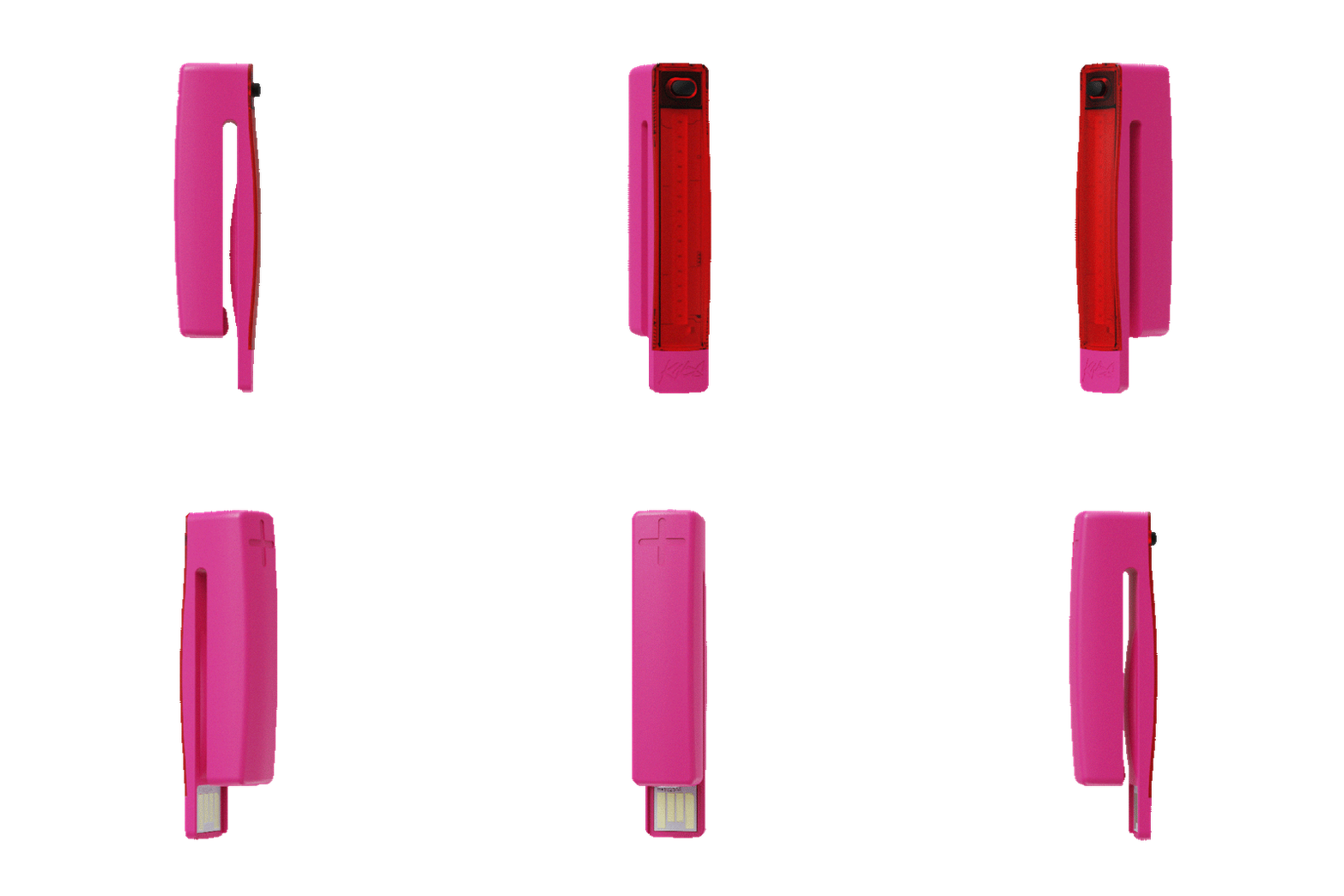
KNOG PLUS REAR 20 Lumens Rear Light Limited Edition E.F. Pro Cycling Pink
Regular price 19,90 €Regular priceUnit price per


