


From the preparation phase to recovery, and of course throughout the effort itself, nutrition is one of the key elements of cycling performance, whatever your level. But faced with an overwhelming offer and sometimes complex terminology, how do you find your way around and what do these products really provide? Probikeshop is here to help you make sense of it all!
The key principles of nutrition
- Nutritious foods: electrolytes, carbohydrates, proteins, vitamins, dietary supplements;
- Product types: energy drinks, bars, gels, meals, dietary supplements;
- Nutrition plans based on the type of effort: short competitions or training sessions, long competitions or training sessions;
Foods
Before considering developing your nutrition plan, it is important to have a good understanding of the various nutritious foods, in particular their role in the body and how they are absorbed, so as to guide you towards the products best suited to your activity.
Carbohydrates represent the main source of energy for the human body. A true fuel for the body, carbohydrates allow you to pedal faster, harder and longer. They come in different types, each with its own characteristics that make them complementary.
- Maltodextrin is a mixture of various sugars (glucose, maltose, maltotriose, …) obtained by partial hydrolysis of wheat or maize starch. Maltodextrin has the advantage of being well tolerated by the body and not causing digestive or intestinal discomfort as simple sugar blends can. It is an interesting supplement for endurance athletes and can be used before exercise to maximise glycogen energy reserves, during exercise to provide constant and lasting energy throughout the event, and after exercise to aid recovery. In addition, maltodextrin has a very low sweetness level, which makes it possible to produce drinks with a neutral flavour and no sugary taste that are pleasant to drink.
- Fructose is a natural sugar found mainly in fruit. Although it is a simple sugar, it has a low glycaemic index, making it interesting for endurance sports as a complement to other sugars — however, consumed in excessive quantities, it can cause bloating or even diarrhoea.
- Glucose is a simple sugar, but unlike fructose, its glycaemic index is very high. It should therefore be used sparingly, even though it has the advantage of providing immediate energy.
In addition to carbohydrates, proteins provide an additional source of energy during exercise. But beyond that, the main benefit of proteins lies in muscle mass gain, and above all in the repair of tissue after prolonged and/or intense effort.
Electrolytes (or mineral salts) play a role in nerve impulse transmission, maintaining cellular metabolism, and other functions. Lost through perspiration, electrolytes require additional intake when taking part in sporting activity.
- Sodium: an essential mineral element for maintaining the structure of our cells, it participates in acid-base balance, ensures proper functioning of the neuromuscular system and prevents dehydration. The recommended daily intake is 5,000 to 8,000 mg per day, but can reach up to 10,000 mg in the case of prolonged exertion.
- Potassium: playing a key role in muscle and heart contraction, as well as in nerve impulse transmission, potassium's main property is to combat cramps. It should be consumed at a minimum of 2,000 mg per day to ensure cell survival and proper functioning of the cardiac system.
- Chloride: a trace element that helps distribute water properly throughout the body and enables the transport of carbon dioxide in the blood, it also plays a role in digestion and contributes to maintaining acid-base balance in the body. Chloride must be supplied at a level of 800 to 1,000 mg per day; otherwise physical, nervous and digestive disorders may occur.
- Calcium: its main function is to ensure bone formation in conjunction with vitamin D, but it also plays a role in blood clotting and muscle contraction. It should be consumed at a level of 700 to 800 mg per day.
- Magnesium: magnesium is a mineral trace element playing a very important role in electrolyte balance by participating in the neuromuscular transmission of nerve impulses. It also plays a role in the functioning of the cardiac system. The recommended daily intake is at least 350 to 375 mg per day.
Vitamins are essential for the proper functioning of the body, whether for the skeletal system, the heart, digestive functions or mental balance. While a balanced diet is usually sufficient to absorb the necessary amount of vitamins, regular physical activity does however require additional intake. The vitamins most essential for athletes are as follows:
- Vitamin C is necessary for the synthesis of blood vessels and muscles. It has antioxidant properties, meaning it limits the harmful effects of free radicals, and also plays a role in the formation of red blood cells. In practical terms, it helps combat fatigue and infections.
- Vitamin D plays a vital role in bone strength by helping to fix calcium. Its role is therefore paramount.
- Vitamin K, although little known, is of great importance as it plays a role in the blood clotting process, calcium fixation in bones, and cell growth.
- Finally, vitamin B1 is perhaps the most important for athletes, as it is the one that converts fatty acids, carbohydrates and proteins into energy during physical exertion. It is therefore necessary to take it both on a daily basis and during exercise.
Furthermore, many sports nutrition products contain caffeine. A stimulant that acts deep within muscle cells to deliver lasting power and delay the onset of muscular fatigue, caffeine also helps maintain a good level of concentration.
Regular and intense physical activity can lead to certain deficiencies and, in the long term, injuries or a significant state of fatigue. To avoid this situation, it may therefore be worthwhile to follow a course of dietary supplements.
Among the most widely used supplements in sport are:
- amino acids, in particular BCAAs, which contribute to muscle maintenance and recovery. Ideal during intensive training phases, particularly in road cycling;
- Turmeric has two very interesting properties for athletes, as this spice is both antioxidant and anti-inflammatory;
- ginseng which, thanks to its toning properties, helps reduce fatigue. Ideal when returning to training;
- iron and magnesium, often combined, help effectively combat temporary fatigue;
- Omega 3, 6 and 9 improve cardiovascular function and mental capacity.
- beta-alanine is a natural amino acid that helps increase concentration and endurance, in particular by delaying the production of lactic acid;
- L-carnitine is an amino acid compound particularly favoured by high-level athletes, who find in it an additional source of energy by effectively mobilising the body's fat reserves, as well as increased endurance capacity. L-Carnitine also improves recovery.
Such a course should be undertaken as part of a balanced diet and after consulting your doctor, as excessive intake of these supplements can, on the contrary, have harmful effects on your health.
The different types of nutrition products
There is a wide range of products available on the market to build your nutrition strategy, depending on your tastes, your activity, the type of effort, weather conditions, and also your dietary requirements (gluten-free, vegan, ...). Bars, sweets, gels, drinks, meals, dietary supplements ... so many solutions to help you optimise your performance.
Energy drinks are the foundation of sports nutrition, particularly in cycling as they are easy to consume during exercise. These drinks are generally designed both to hydrate, being rich in electrolytes, and to fuel the body with energy through a supply of carbohydrates and vitamins. They are generally presented in powder form to be diluted in water. These drinks should be consumed regularly but in small sips (1 to 2 sips every 10 to 15 minutes), at a frequency that will vary depending on the intensity of the effort and of course the heat, alternated without fail with plain water, otherwise you risk suffering from stomach aches. The important thing is to never wait until you feel thirsty to drink, as this means you are already dehydrated.
There are several types of energy drinks, the most common being the isotonic drink. This means that the concentration of compounds or mineral salts is identical to that of blood plasma. They are absorbed more quickly than water and provide an additional energy boost. If the concentration is lower, it is called a hypotonic drink, and if it is higher, a hypertonic drink. The former are useful in hot weather to ensure good hydration, while the latter are generally best avoided during exercise, except in very cold weather where perspiration is lower but energy needs are higher.
There are also anti-cramp drinks that provide no energy (0 calories) but contain all the electrolytes and mineral salts lost through perspiration, in order to ensure perfect hydration and thus prevent cramps from occurring. Very light, they are very pleasant to drink and do not need to be alternated with water.
In order to approach your effort in the best possible conditions, there are ranges of preparation drinks rich in maltodextrin, which help increase energy reserves, in particular glycogen stores. These drinks are generally to be consumed during the three days before the race. Finally, recovery drinks are designed to properly rehydrate your body and rebuild muscle fibre, in particular through a high protein intake. Ideal for athletes who are continuously training and competing.
As a complement to drinks, energy bars primarily provide lipids and quickly absorbed carbohydrates, in order to maintain the body's energy stores and prevent a drop in performance or even hunger pangs. On average, a 40 g energy bar represents 138 kilocalories. One bar per hour broadly covers the body's needs, and its consumption should be accompanied by a few sips of water. It also provides a feeling of satiety that drinks do not necessarily offer.
The range is vast, and everyone can find what suits them, whatever your tastes, with a wide choice of flavours (chocolate, fruit, cereals, savoury) — and your dietary requirements (gluten-free, lactose-free, vegetarian, vegan). There are also protein-rich bars, intended to be consumed after your training or competition to aid your recovery.
Particularly practical to carry and consume when you are at the handlebars of your MTB or road bike, energy gels provide a high energy intake in record time. Many variations are available to suit your needs: antioxidant, glucose-rich, stimulating (containing caffeine, to be used sparingly), each to be taken at a specific moment during your effort (start, middle, end). A 25-gram gel contains on average as much sugar as 300 ml of energy drink. More or less liquid, they can replace both energy bars and energy drinks.
It is recommended to ideally consume 1 to 2 gel(s) per hour, complemented by an anti-cramp drink. While most should be consumed in one go, some brands offer resealable gels, which are practical for splitting into several doses.
Others offer their gels in the form of sweets filled with liquid, allowing you to take exactly the desired amount without getting your hands dirty!
For athletes preparing for a very long effort and/or wishing to approach their race in the best possible conditions, there are energy meals available on the market. These are in reality most often cakes sold in powder form. Simple and quick to prepare (microwave cooking), these cakes help increase energy (carbohydrate) and nutrient reserves. Being easy and quick to digest, they represent the ideal solution as a pre-race breakfast.
Which nutrition products suit my activity?
Nutritional needs vary enormously depending on the cyclist's/rider's metabolism, but above all on the conditions of the sporting activity.
For a training session or leisure ride of 2 to 3 hours, plan for one or two energy bar(s) and a gel, combined with an anti-cramp drink, particularly in high temperatures. For longer training sessions, plan for an energy bar and/or a gel every hour, combined with an energy drink and/or an anti-cramp drink.
In the context of a competition, you will need to establish a multi-day nutrition plan in order to arrive on race day in optimal conditions at the start line.
In the three days preceding the race, load up on carbohydrates to maximise your energy reserves and on proteins to boost your muscular capacity, in particular with a preparation drink.
During the race, opt for a carbohydrate-rich diet (fructose) in order to provide your body with the necessary energy reserves. Alternate with an anti-cramp drink containing all the electrolytes lost through perspiration. Drink small sips but regularly in order to ensure a constant intake without overloading your body. Plan for one or two bottles depending on the duration of the race and the heat. You can supplement your intake with bars and gels.
And immediately after the effort, a protein-rich bar combined with a recovery drink will aid your recovery.
ACCESSORIES - Energy Bars
-
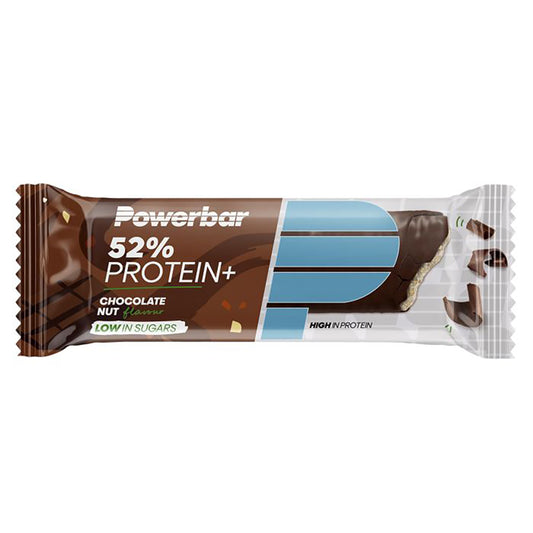
POWERBAR 52% PROTEIN PLUS Recovery Bar (55 g) Chocolate Walnut
Regular price 2,89 €Regular priceUnit price per -
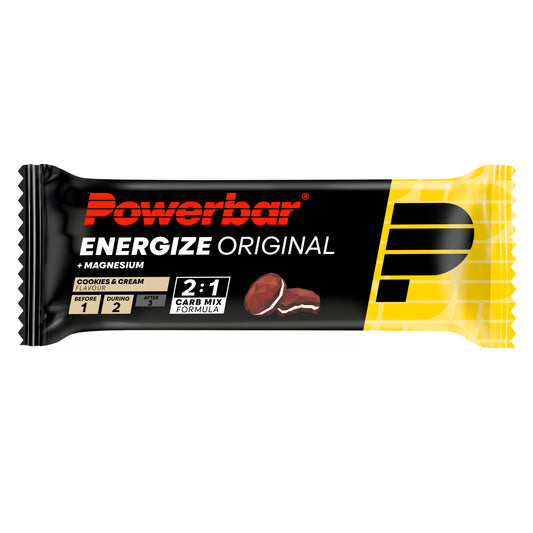
POWERBAR ENERGIZE ORIGINAL Energy Bar (55gr) Cookies & Cream
Regular price 2,59 €Regular priceUnit price per -
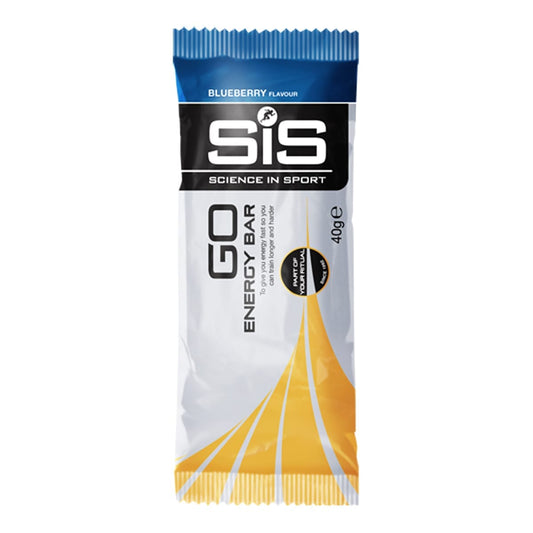
SIS GO ENERGY Energy Bar (40g) Blueberry
Regular price 1,99 €Regular priceUnit price per -
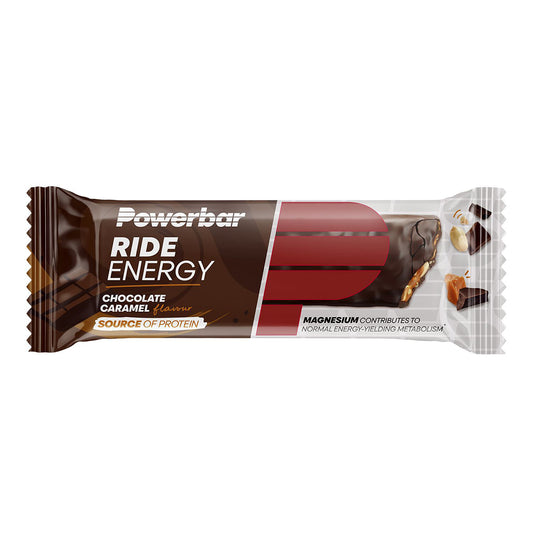
POWERBAR RIDE Energy Bar (55 g) Chocolate Caramel
Regular price 2,15 €Regular priceUnit price per -
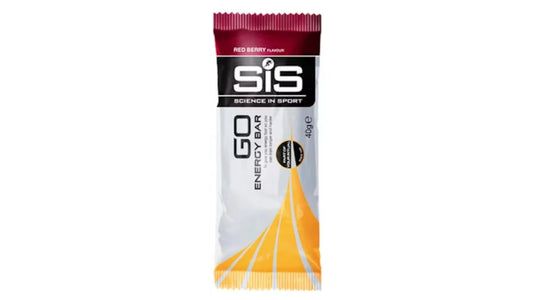
SIS GO ENERGY Energy Bar (40g) Red Fruits
Regular price 1,99 €Regular priceUnit price per -
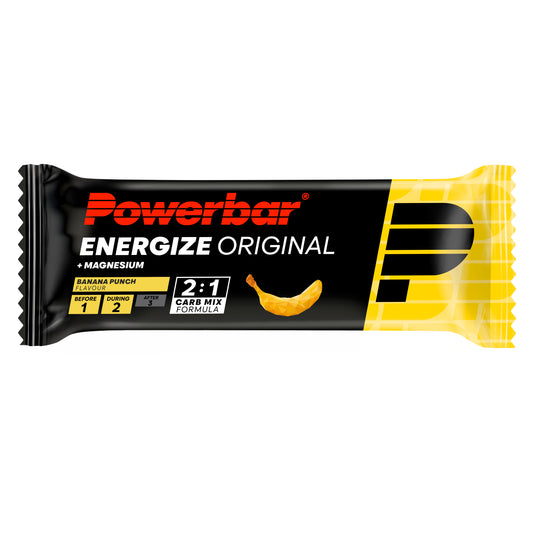
POWERBAR ENERGIZE ORIGINAL Energy Bar (55g) Banana
Regular price 1,99 €Regular priceUnit price per -
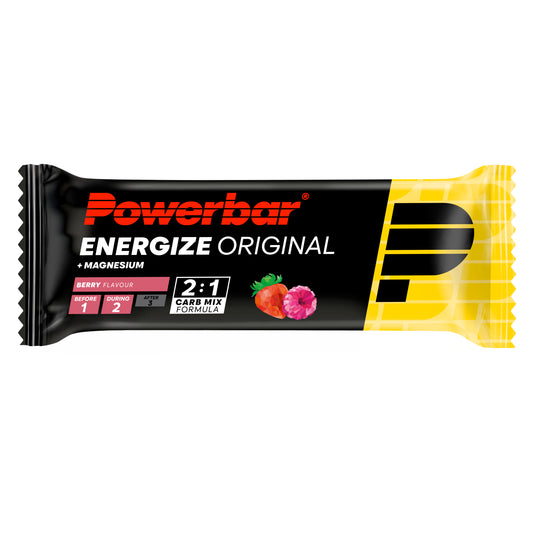
POWERBAR ENERGIZE ORIGINAL Energy Bar (55g) Berry
Regular price 2,59 €Regular priceUnit price per -


BAOUW BIO EXTRA Banana-Pecan Energy Bar (50g)
Regular price 2,95 €Regular priceUnit price per


