


How to choose your bike degreasers and cleaners?
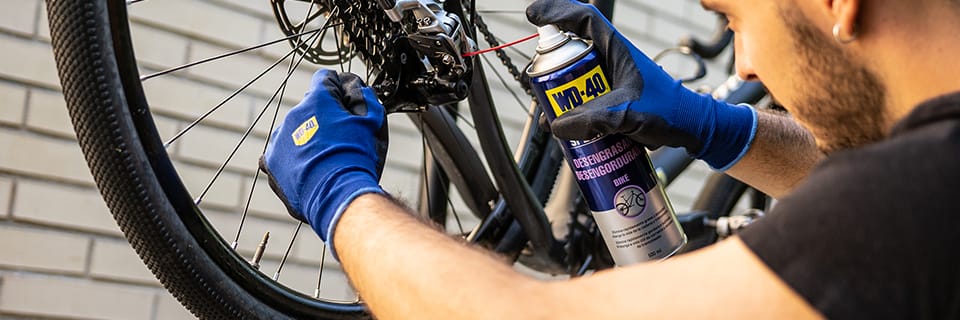
Every self-respecting cyclist/mountain biker takes care of their equipment and regularly cleans their bike (road, gravel, MTB…). Degrease, clean, rinse, dry, lubricate… The routine comes around frequently if you ride intensively, especially if you don't hesitate to go out in the rain and mud.
Riding a clean bike is always very motivating! Beyond the aesthetic aspect, cleaning your bike contributes to the proper maintenance of its components. Your attention should focus on the mechanical parts that easily attract dirt. Remember that a regularly cleaned chain extends the lifespan of the entire drivetrain.
To make your task easier, here are some tips for choosing the right degreaser and bike cleaner.
THE RANGE OF BIKE DEGREASERS AND CLEANERS
A clean always begins with a good degreasing: all the grease built up on the drivetrain components must be removed. If they are particularly dirty, disc brakes can also be degreased. After removing the last greasy residue from these critical parts, the cleaning product is applied to the entire bike.
There is a wide variety of products for effectively degreasing and cleaning your bike. Bike degreasers are used to clean heavily soiled mechanical parts (the chain, cassette, pulleys, chainrings and brake callipers). Bike cleaners are more versatile products, intended for general bike maintenance and care. 2-in-1 cleaning/degreasing products are also available, particularly in the form of wipes.
The main selection criteria:
BIKE DEGREASERS
A bike degreaser is used to remove the greasy deposits that build up ride after ride. This dirt easily accumulates on the chain, sprockets and pulleys, causing premature wear of the components.
Which degreaser for my bike?
Bike degreaser is a cleaning product that every cyclist should have in their workshop. A powerful solution with a special chain or drivetrain formula seems essential for looking after the parts most exposed to dirt and wear. The degreasing operation should be carried out as regularly as possible.
A specific degreaser is not suitable for bike maintenance outside of mechanical parts (drivetrain, brakes). It must be applied with care, avoiding the bearing areas.
For the rest of the bike/MTB, a versatile "Bike Cleaner" type product is sufficient to remove surface grease residue, particularly around the chainstays, spokes, under the head tube, behind the bottom bracket…
Which degreaser for my drivetrain?
Regardless of the type of riding, drivetrain components inevitably attract dirt. Old lubricant, oil, dust, grime… Bike degreaser removes the soiling commonly found on the surface of sprockets, pulleys, chain links and chainrings. It bears repeating: to properly degrease a heavily soiled drivetrain, it is necessary to use a powerful product specially formulated for these mechanical parts.
Brands use different names to describe their products:
- Bike degreaser ("Bike Degreaser");
- Drivetrain degreaser or cleaner ("Drivetrain Degreaser" or "Drivetrain Cleaner");
- Bike chain cleaner ("Chain Cleaner").
There are special degreasers to take the greatest care of electronic drivetrains.
Some concentrated cleaners (to be diluted in water) can also be used neat to degrease the drivetrain.
More and more bike degreasers use a biodegradable, environmentally friendly formula. Some are of plant origin and are remarkably effective!
Which degreaser for brakes?
Disc brakes are safety components that should be cleaned regularly to maintain consistent performance. A special disc brake degreaser ("Disc-Brake Cleaner") is useful for removing pad dust that can hinder piston action and cause squealing during braking. The "Disc-Brake Cleaner" is applied to the disc without any risk, to remove surface residue.
Disc brake degreasers are specially formulated to act and dry very quickly.
Bike degreaser packaging
The aerosol is the most common packaging for a "Bike Degreaser". It is ideally fitted with a precision nozzle with a tube, which allows you to carefully apply the product to all drivetrain components without touching the bearings. The standard spray makes it easy to target the cassette, chainrings and chain.
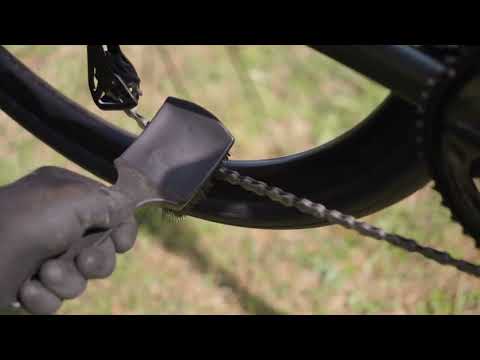
Liquid bike degreaser (bottle or container) is used with appropriate tools. The product can be applied with a brush to the chain and cassette. You can also pour the degreasing solution into a chain cleaner, a device that allows you to scrub the links thoroughly, simply by turning the cranks backwards.
Bike degreaser capacity
Depending on your budget and your cycling habits, your degreaser needs will vary. For regular use, a standard 500 ml aerosol container will last several weeks. For more occasional riders, a container between 200 and 400 ml is more than enough for the whole season.
BIKE CLEANERS
Bike cleaners are used to remove dirt from the surface of the frame, wheels, tyres and peripherals (saddle, seatpost, cockpit). They tackle mud, dried earth, sand, oil or grease residue, marks left by wet road spray, sweat or your energy drink.
Which cleaner for my bike?
Brands use foaming liquid solutions that can normally be applied to any material (metal, carbon, plastic). Make sure the product you choose is compatible with your equipment, particularly anodised aluminium, matt paint, etc. All bike soaps can safely be used on the drivetrain, suspension, brake callipers and brake discs.
If you have several bikes to clean regularly, it is worth opting for a cleaner that is easy to refill.
To choose your bike cleaner wisely, you can focus on the environmental criterion. More and more brands are making the effort to offer biodegradable products. With these eco-friendly solutions, there is no risk in cleaning your bike outdoors.
Which cleaner for my bike/MTB frame?
Cleaning the frame should deliver an aesthetic result, free from defects. To make the task easier, you can use a bike cleaner that leaves a shiny finish on the surface. Otherwise, a bike polish allows you to complete the cleaning and take good care of the appearance.
If your bike is not too exposed to dirt and you like to take good care of it after every ride, cleaning wipes are a great solution. Used with a microfibre cloth, they deliver an immediate, spotless and very satisfying result.
For electric-assist bikes and e-MTBs, there are effective dry cleaners, which have the advantage of using less water.
Which cleaner for brakes?
If your brakes are not too dirty, a general bike cleaner will suffice.
Brake cleaners ("Disc-Brake Cleaner") allow you to tackle particularly grimy callipers and discs. Their degreasing power is greater than that of standard cleaners. They remove brake pad residue, brake fluid, grime, and more.
Which cleaner for the drivetrain?
For a deep clean of the chain, sprockets, chainrings and rear derailleur pulleys, regular use of a specific degreaser is essential.
If your drivetrain is still in satisfactory condition, you can carry out a quick clean with a standard "Bike Cleaner" or degreasing wipes. These solutions are for occasional use only. They do not replace regular thorough cleaning with a "Drivetrain Cleaner" type product.
Which cleaner for forks and shock absorbers?
For suspension components, an aerosol cleaner is preferred for more precise application. This will allow you to clean your equipment effectively by removing dirt. In addition, make sure it dries quickly for a residue-free result.
Bike cleaner packaging
Spray packaging proves particularly practical and effective for cleaning your machine. Spraying allows you to dose your product easily, targeting all parts of the bike. It ensures dirt is treated even in the most inaccessible spots, around the wheel arches, behind the bottom bracket and under the head tube.
Some brands offer easily refillable cleaners, with containers of ready-to-use or concentrated solution. Bottle or container refills are very cost-effective. Concentrated refills have the double advantage of being usable as a degreaser (neat) and a cleaner (diluted solution). They also help combat overproduction of packaging.
Finally, cleaning wipes represent a very practical solution. They are perfectly suited for a quick clean between rides. The microfibre cloth is applied after the wipes have done their work. It leaves a protective and polishing layer for an impeccable finish.
Bike cleaner capacity
Depending on your budget, your riding style and the roads or trails you cover, you need to adapt the capacity of the cleaning product. For occasional use, a capacity of less than 500 ml seems like a good starting point. For a regular cyclist, you can go up to 1 litre to be equipped for several weeks.
For more thorough and high-quality maintenance, it is advisable to use a specific product for each cleaning step. Today, complete cleaning kits are available, providing all the products needed to maintain your bike.
Découvrez tous nos conseils & Tutoriels
ACCESSORIES - Degreasers & Cleaners
-
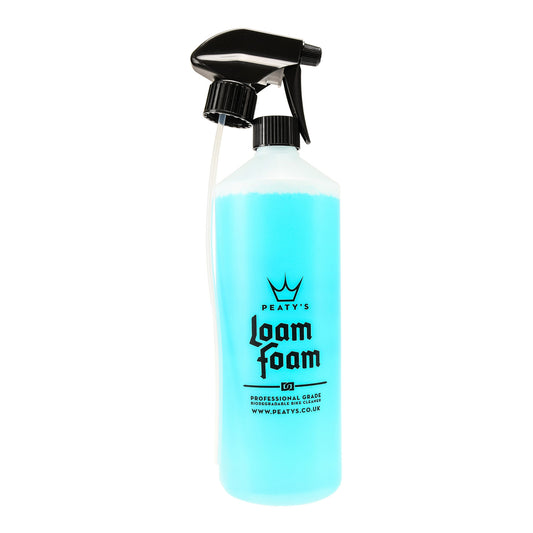
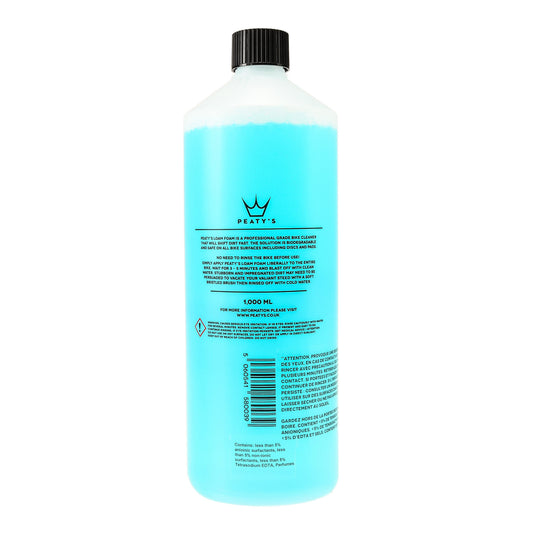
PEATY'S LOAM FOAM CLEANER Bike Cleaner (1 L)
Regular price 8,99 €Regular priceUnit price per -

FINISH LINE ECOTECH Degreaser (600 ml)
Regular price 19,99 €Regular priceUnit price per -

Finish Line Showroom Polish & Protect – 3.75L
Regular price 39,99 €Regular priceUnit price per -
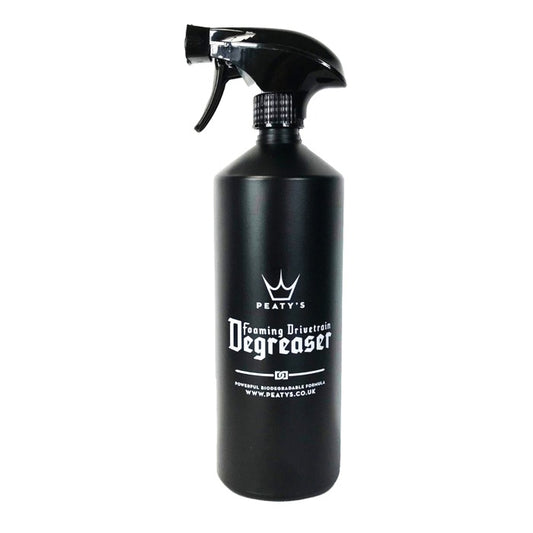
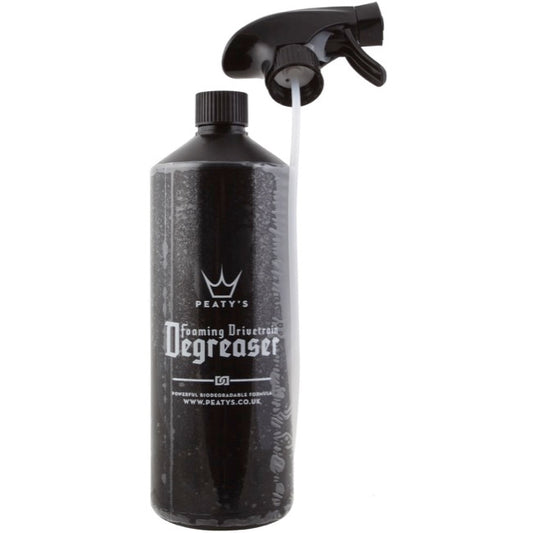
PEATY'S Foaming Drivetrain Degreaser (1 L)
Regular price 12,99 €Regular priceUnit price per -
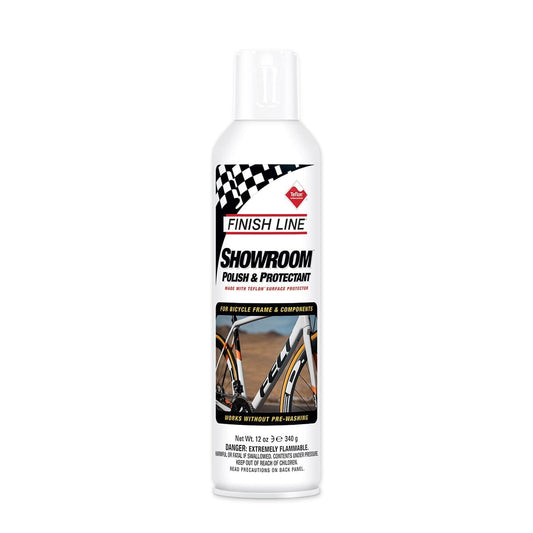
FINISH LINE SHOWROOM Polish & Protectant Aerosol (340g)
Regular price 5,99 €Regular priceUnit price per -
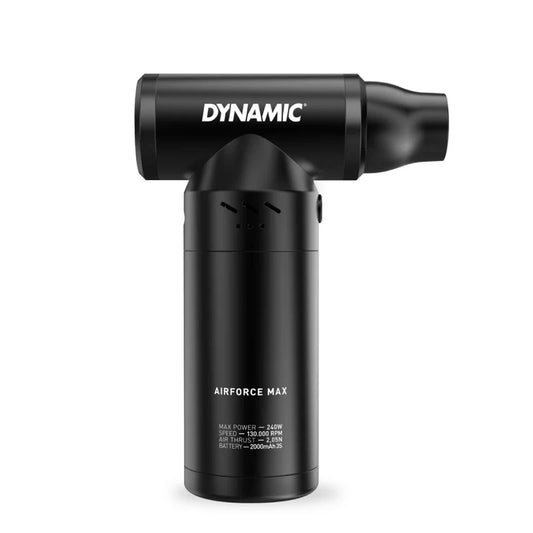
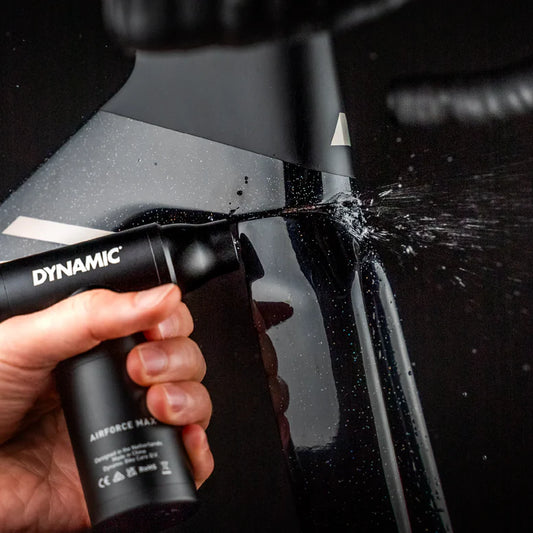
DYNAMIC AIRFORCE MAX Blower
Regular price 104,90 €Regular priceUnit price per -

HUTCHINSON CHAIN CLEANER Drivetrain Degreaser (1L)
Regular price 14,99 €Regular priceUnit price per -
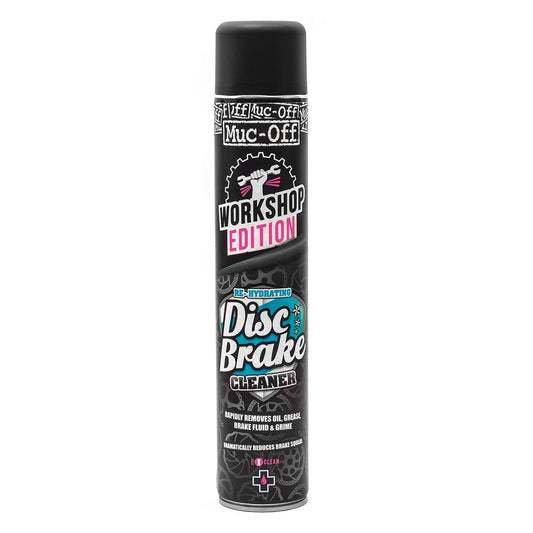
MUC-OFF DISC BRAKE CLEANER Disc Brake Cleaner (750 ml)
Regular price 12,99 €Regular priceUnit price per


