How to choose your MTB gloves?
As much a comfort item as a safety one, MTB gloves are an essential accessory for mountain biking. The very extensive catalogues from manufacturers make it possible to find a well-fitted model suited to your discipline. Available in various shapes, gloves protect during falls or contact with vegetation, help maintain grip on the handlebars, absorb vibrations and provide protection against bad weather.
THE FEATURES
- The design: full-finger, short-finger (mitts), liner gloves
- The type of palm: thickness, with gel inserts, with foam inserts
- The level of protection against the elements: with or without thermal lining, windproof effect, protection against rain and moisture
- The level of impact protection: simple reinforcements, "smart" reinforcements
- Closure and fastening type: velcro, elastic
- Compatibility with touchscreens
EVERYTHING YOU NEED TO KNOW ABOUT MTB GLOVES
THE DESIGN
Full-finger gloves:
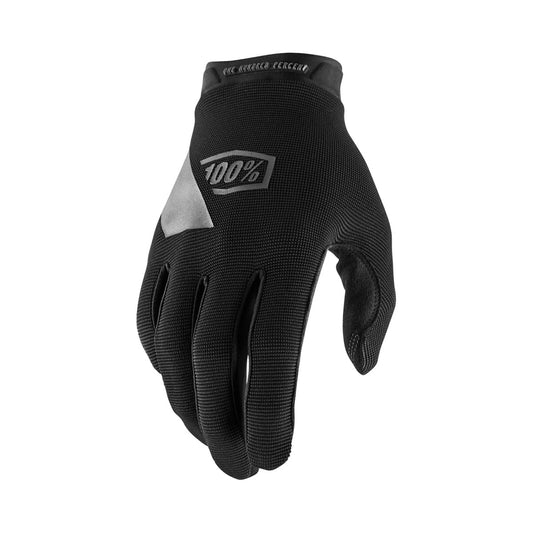
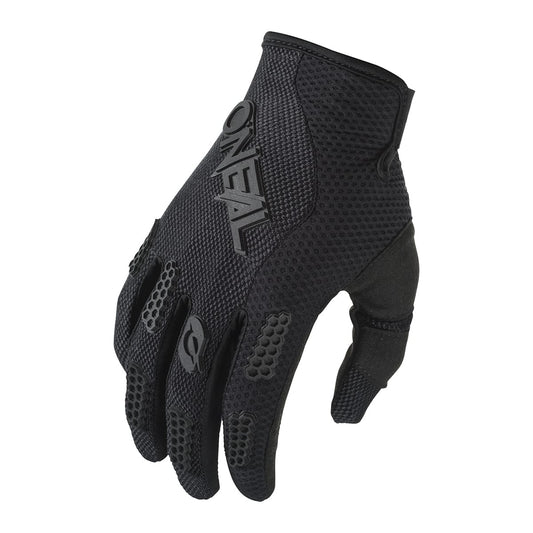
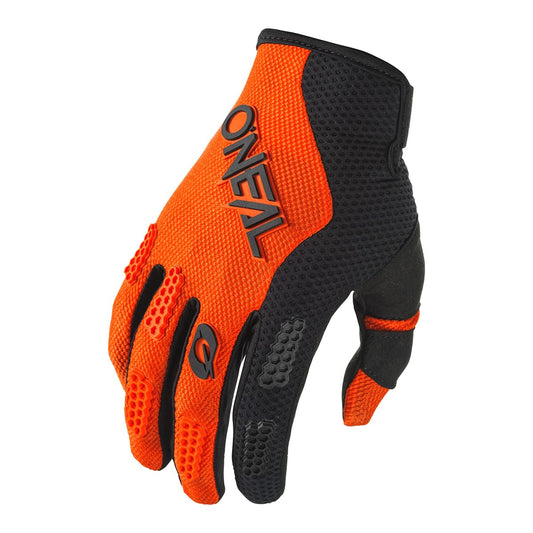
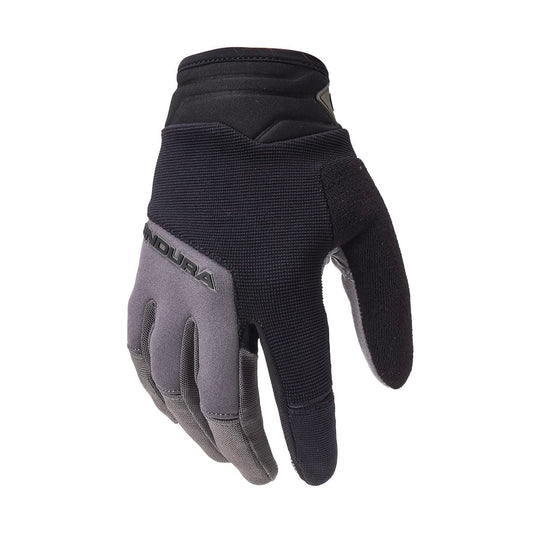
They provide full coverage of the hands, thus offering excellent protection. Some models made from thin, breathable materials allow this protection to be combined with great comfort, even in high temperatures.
Mitts:
These short gloves that let the fingers breathe in the open air have not disappeared from catalogues! They offer maximum ventilation in summer and give the rider direct contact with the handlebars, brake levers, gear controls, GPS buttons...
Liner gloves:
A simple and affordable way to stay a little warmer in winter. Very thin, they slip under gloves without compressing the hand.
THE TYPE OF PALM
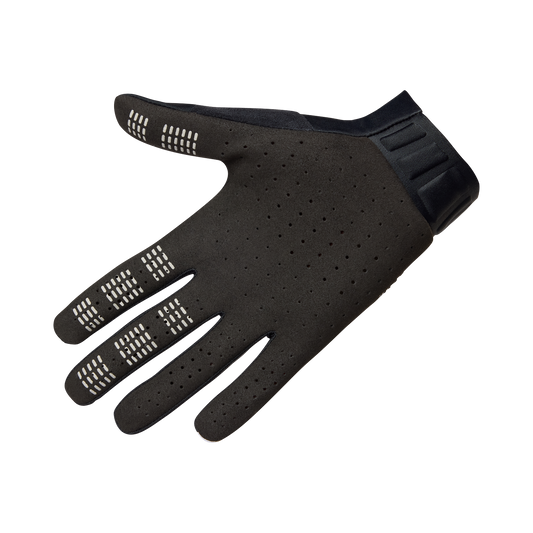
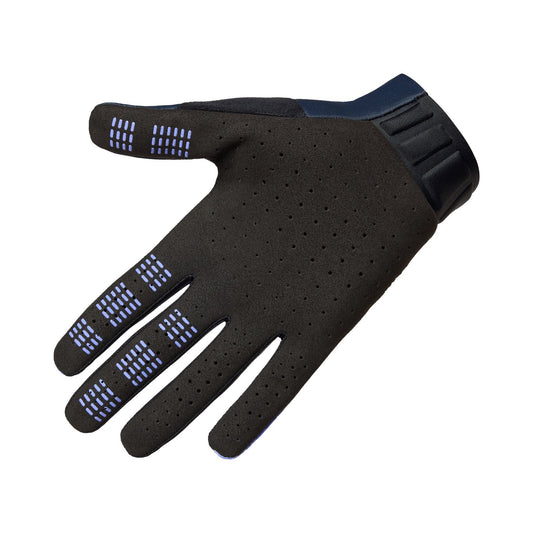
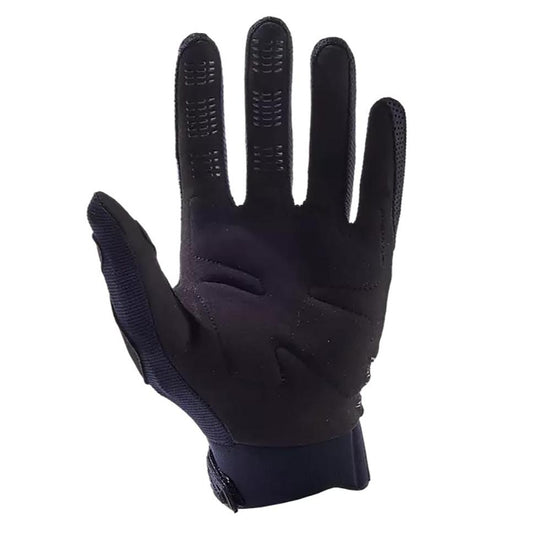
Riders seeking the finest handling feel will opt for an unpadded palm, more or less thin depending on the desired level of abrasion resistance.
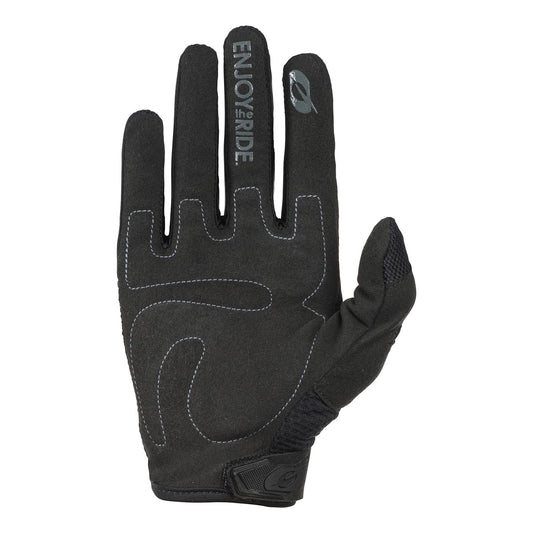
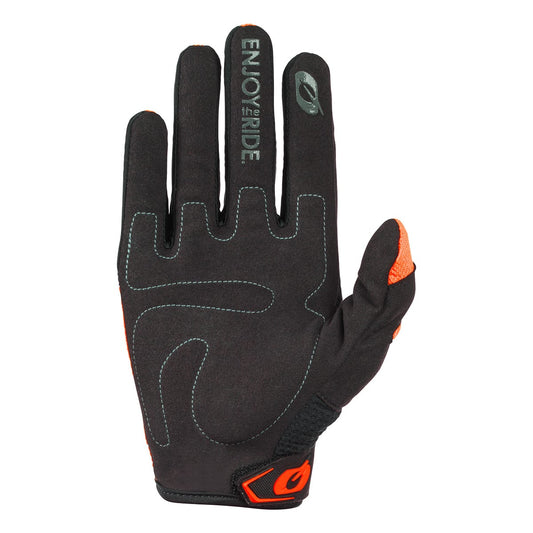
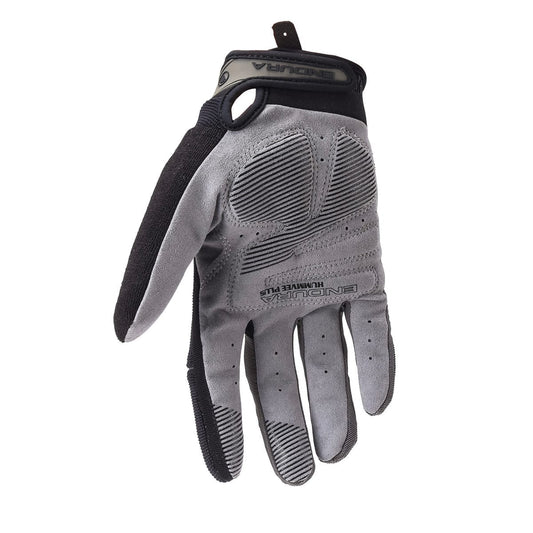
Those looking for more cushioning and protection will be well served by models featuring gel or foam inserts that improve comfort and protect against vibrations and numbness
THE LEVEL OF PROTECTION AGAINST THE ELEMENTS
For winter or transitional seasons, a whole variety of technical membranes exists. They can combat rain and/or wind while wicking away moisture. While gloves suited to extreme conditions use necessarily thick thermal fabrics (the extremities of the body being particularly sensitive to cold and exposed when cycling), lightweight models that are still capable of keeping hands dry thanks to a thin, breathable membrane also exist. A simple DWR treatment can already provide protection against intermittent rain.
THE LEVEL OF IMPACT PROTECTION
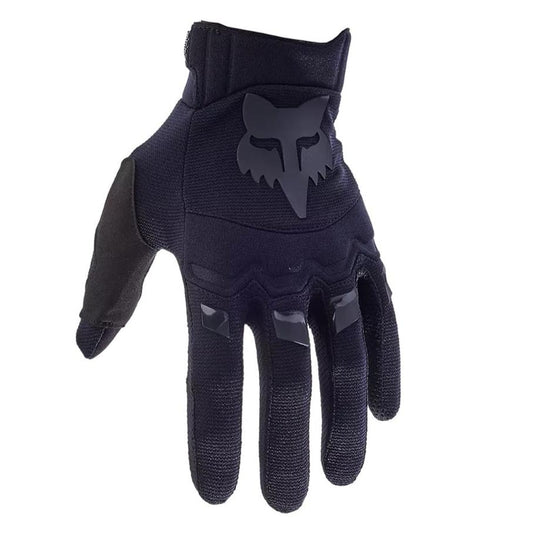
MTB gloves feature different types of reinforcements. On the back, a material such as D3O (registered trademark) acts as a so-called smart protection: depending on the intensity of the impact, it deforms more or less rapidly. This mechanism absorbs and dissipates the energy of the impact, before immediately returning to a normal flexible state, capable of absorbing further impacts. This type of polymer material works across a wide range of temperatures: it remains effective in winter or, conversely, in a heatwave. We can also note soft plastic protection patches of the TPR (Thermo Plastic Rubber) type, sometimes with variable density, used for example at the knuckles.
THE TYPE OF CLOSURE AND FASTENING
An elastic closure requires no adjustment and will not catch on technical clothing. Velcro is not without merit either, as it offers precise adjustment. If a tab is present, it makes removing the gloves easier.
TOUCHSCREEN COMPATIBILITY
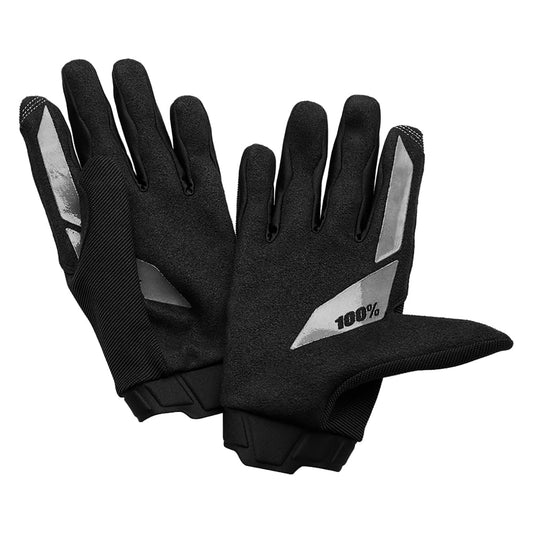
Some gloves have a touchscreen-compatible surface on the tip of the index finger for use with smartphones or GPS screens. Very handy! In the same vein, a thumb featuring terry cloth fabric allows you to wipe away sweat (on the forehead in particular) with a quick gesture.
WHICH GLOVES FOR MY RIDING STYLE?
Cut, thermal insulation, reinforcements: these elements must be matched to the intended use. In all cases, fit is important: the hand must not be too tight to remain comfortable and to avoid cutting off circulation.
Hiking
Lightweight and breathable gloves are recommended, but by choosing a full-finger model with a water-repellent coating, you ensure a good level of protection, particularly against light rain.
A padded palm prevents numbness over time and improves riding comfort.
Cross-Country
Very airy, thin, short or full-finger gloves protect hands from abrasion in the event of a fall, allow moisture to be wicked away and maintain a good grip for Cross-Country use.
A gel or foam insert under the palm can protect the rider from vibrations and reduce passive fatigue.
For mountain endurance rides, protection against bad weather should be considered.
All-Mountain
A full-finger model is essential. Palm reinforcements will help to better filter the rough treatment inflicted on the rider by mountain trails.
On the back of the glove, soft plastic inserts will protect the most exposed areas such as the wrists and knuckles.
At the same time, a technical membrane may handle moisture wicking while protecting against wind and rain, which are often unpredictable in the mountains
Enduro
A long, well-reinforced glove will maximise hand protection in the event of a fall or contact with a tree or branches. So-called smart materials come into their own here and are suited to protection in the event of a high-speed fall.
Silicone grooves on the fingers (thumb and index) provide optimised control of the brake and gear controls.
DH / Freeride
In extreme use, an ultra-tough glove close to a motocross model is used. Protections that harden on impact as well as soft plastic reinforcements keep hands safe.
Some DH / Freeride models even feature rigid shells at the knuckles. The palm construction may use two layers, for greater vibration filtering, friction resistance and ventilation thanks to perforations in the fabric. The latest generation of materials makes it possible to create very robust gloves without compromising handling feel and control of the handlebars and controls.
Découvrez tous nos conseils & Tutoriels