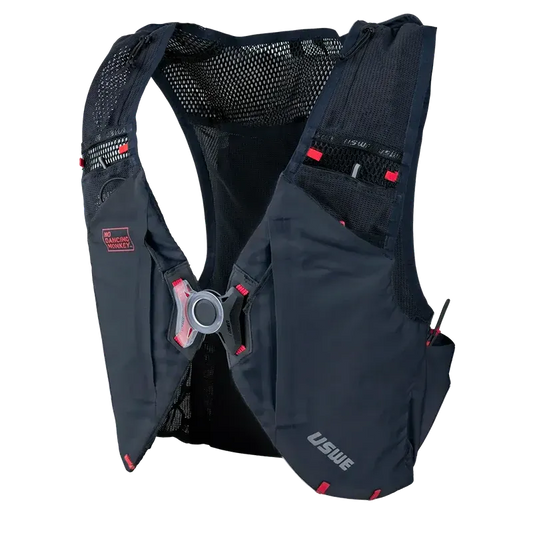
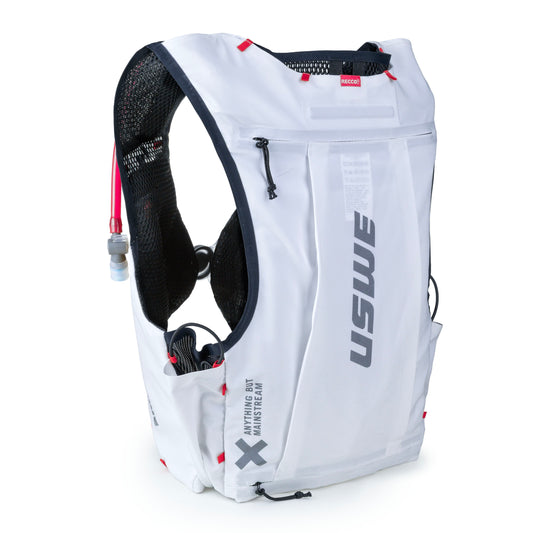
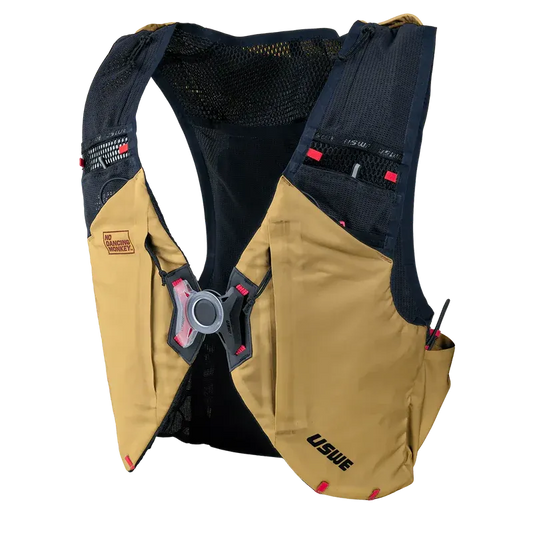
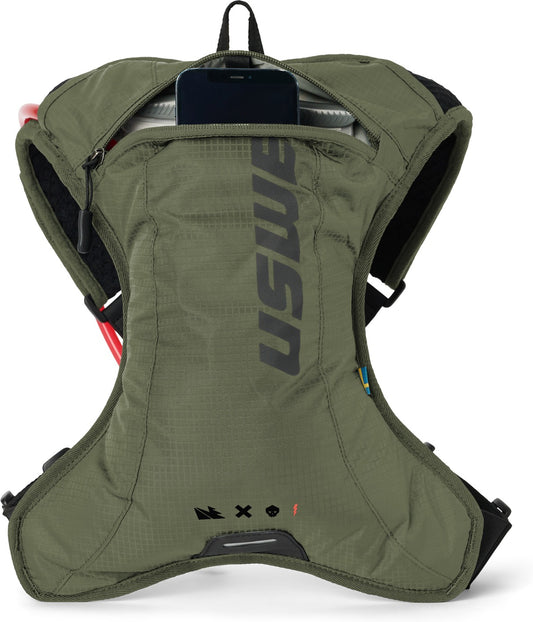
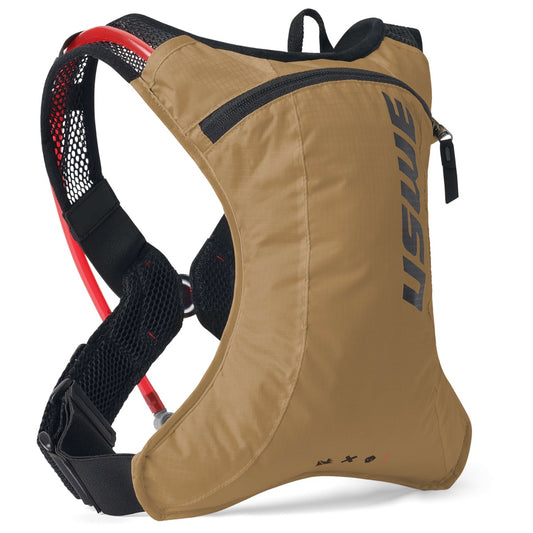
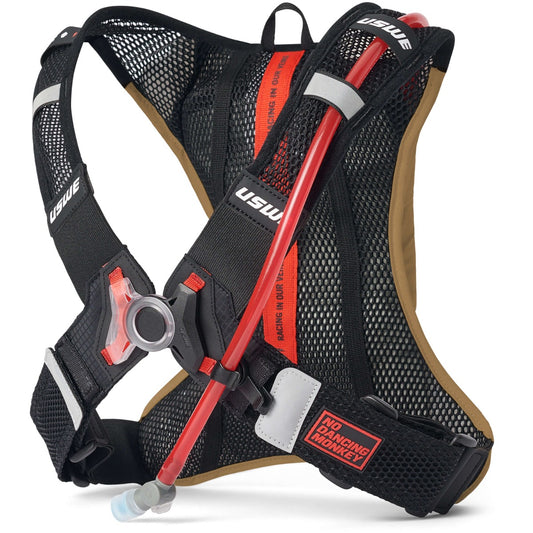
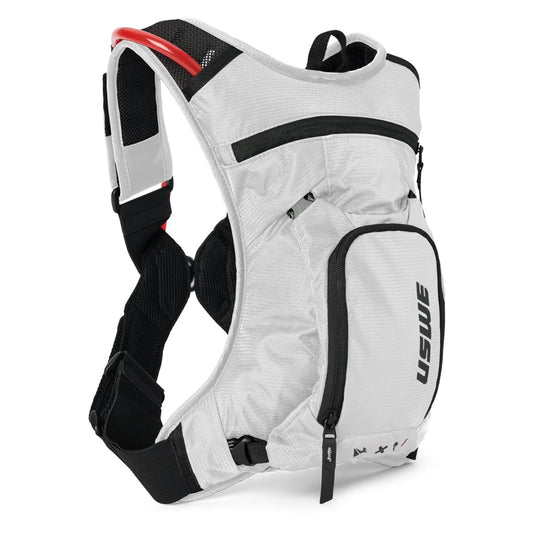
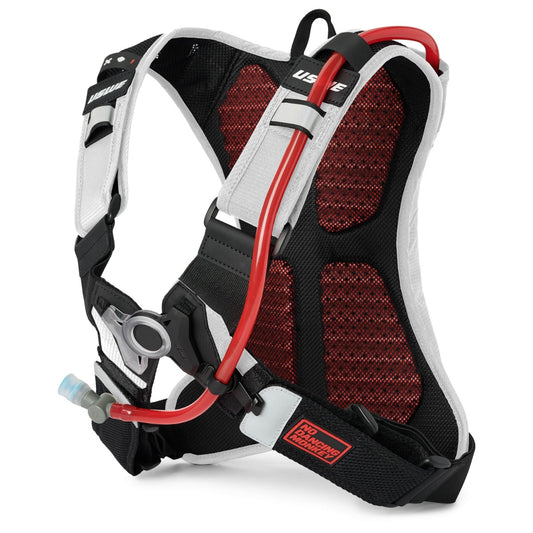
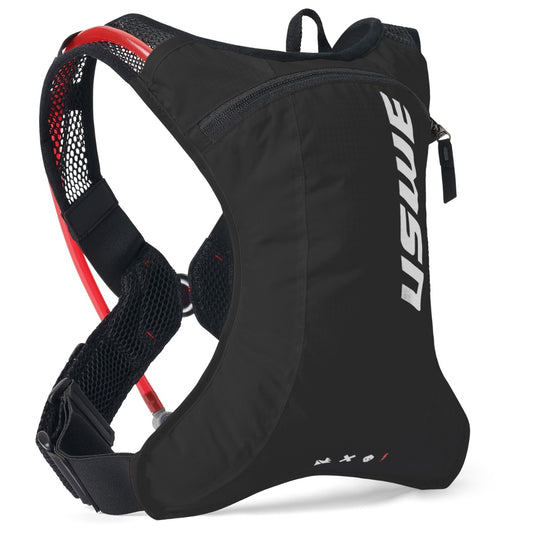
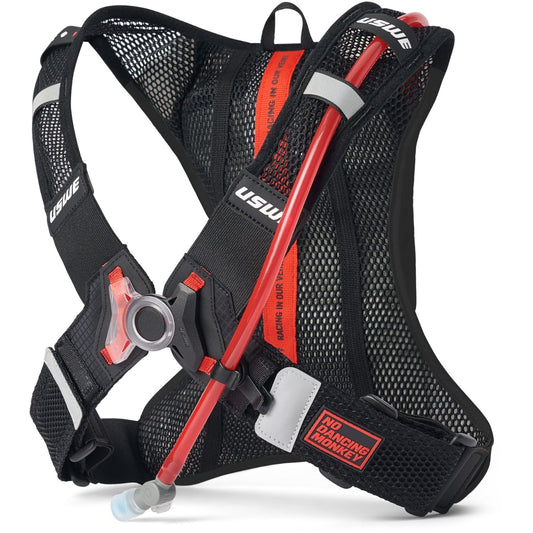
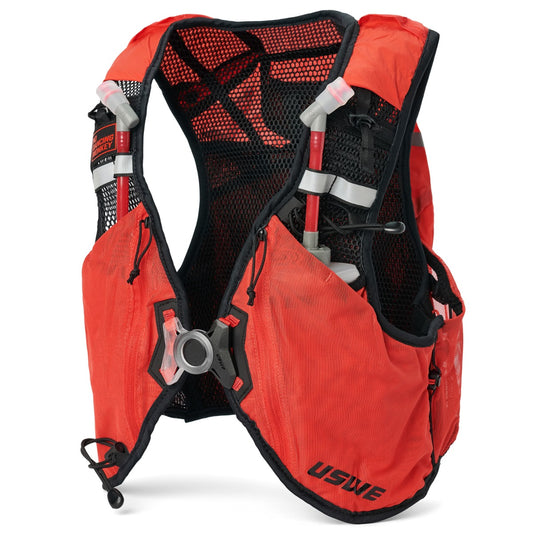
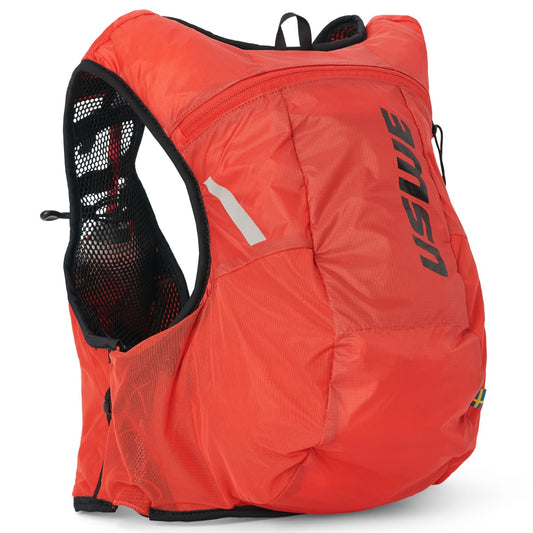
A hydration bladder is an accessory used to supply water to the MTB rider. It is an alternative to the traditional water bottle, offering many advantages on long rides of 2 hours or more.
EVERYTHING YOU NEED TO KNOW ABOUT HYDRATION BLADDERS
A hydration bladder is easily carried in an MTB backpack, which generally includes a dedicated compartment to hold it and routing guides to make it easy to thread the tube over the shoulder.
By carrying a bladder directly and making its contents highly accessible via a tube and mouthpiece that simply needs to be brought to the mouth, the rider can refuel more easily than with a bottle fixed to the frame. On long technical sections where it would be impossible to reach for a bottle without risking a fall, the rider faces no such problem with a hydration pack and bladder. It is proven by experience that a rider equipped with a hydration pack always drinks more frequently and more regularly than one with just a bottle. They also have access to a greater water reserve, which can vary between 1.5 and 3 litres depending on the model.
Hydration bladders are made from plastic materials. All those available on the market are free from toxic substances, such as bisphenol A (BPA).
WHICH HYDRATION BLADDER SHOULD YOU CHOOSE?
The capacity of a hydration bladder is the first criterion, as it should be chosen based on the length of your rides. A bladder with a minimum capacity (1.5 L) will be sufficient for sporting rides such as Cross-Country. Half-day hikes, full-day rides, or longer adventures will require bladders with a greater volume.
Be aware that pockets come in different shapes. Most models have a tall, elongated vertical shape. Others have a specific shape that allows them to sit flat against the lower back; these are designed to fit into the lower pocket of a backpack or a hip pack.
To minimise the risk of interference with handling, some bladders use a specific technology aimed at better stabilising the weight of the liquid by preventing it from sloshing too much from side to side. These bladders feature a central stabilising baffle that helps to properly compartmentalise the water inside.
The mouthpiece is an important element that determines the flow rate of liquid released with each sip. Most mouthpieces use antimicrobial valves; some have a shut-off valve to prevent any liquid loss, others are fitted with a protective cap that is useful in muddy conditions. Some highly advanced mouthpieces are even equipped with a pump, which delivers a pressurised jet of water — handy for cleaning or filling a container.
To make the right choice, you can also look at the width of the bladder's opening, which will make filling and maintenance easier or harder.
HOW TO MAINTAIN YOUR HYDRATION BLADDER?
After use, maintaining a hydration bladder is essential, as it prevents the growth of bacteria and mould inside, which is possible in such a closed and damp membrane.
First of all, it is advisable to use only water in your hydration bladder, and to avoid sugary energy drinks, which can leave a taste and residue on the plastic.
After emptying the bladder, make sure to clean and rinse it thoroughly, several times if necessary, before drying it carefully. Drying frames allow the liquid to drain more easily. Kits are available containing brushes and pipe cleaners, well suited for effectively cleaning the inside of the bladder and tube.
Regularly, it is worth disinfecting the whole system using cleaning tablets or alternative methods, such as washing-up liquid, soap, coarse salt, white vinegar… Simply soak the bladder and tube for a few minutes in warm water with the chosen cleaning product.
Finally, after cleaning and until the next use, it is advisable to store the bladder and tube in the freezer to prevent any bacterial growth.
Découvrez tous nos conseils & Tutoriels