


How to choose your electric mountain bike wheels?
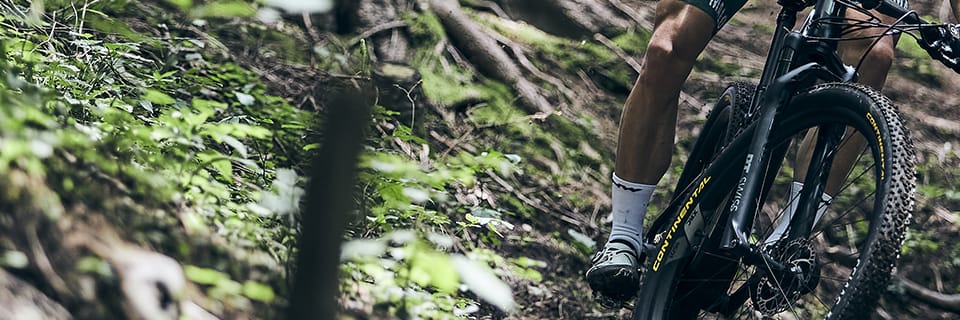
Electric mountain bike wheels must be prepared to absorb loads far greater than those on standard mountain bike wheels. They are subjected to the terrain, the considerable weight of the bike, the powerful motor torque and greater braking forces. Wheels fitted to E-MTBs are reinforced to gain in long-term reliability.
The weight and quality of the wheels also affect the responsiveness of your E-MTB. You can noticeably improve its handling by replacing fairly neutral wheels with wheels optimised for E-MTB riding.
Probikeshop reminds you of all the criteria to consider when choosing your electric mountain bike wheels.
E-MTB wheel standards: check compatibility!
To be compatible, your new wheels must absolutely match the specifications of your equipment. Check the following points before finalising your choice:
Regarding the hub, it can be noted that the Boost standard has become widespread on modern electric mountain bikes. Unsurprisingly, your new wheels will have a front axle of 15x110 mm and a rear axle of 12x148 mm.
Regarding tyre fitting, all electric mountain bike wheels are now designed for Tubeless Ready mounting.
Choosing your E-MTB wheels: all the selection criteria
Once the standards are clearly defined, you can look in detail at all the elements that make up the wheel. The rim, spokes and hub form a cohesive whole in line with your riding style, more or less demanding. The best riders may look to save weight, but bear in mind that robustness must remain a priority. Your new E-MTB wheels must serve you reliably over the long term, without faltering!
E-MTB wheel sizes
Your electric mountain bike determines the wheel size: 27.5 (and its 27.5+ variant) or 29 inches. Some models allow you to switch from one size to the other by adapting the bike geometry. A hybrid set-up also exists, combining a 29" front wheel and a 27.5+ rear wheel. Only a few E-MTB models allow this type of "mullet" configuration.
Each E-MTB wheel size has its advantages on the trail. The 27.5" is appreciated for its manoeuvrability in tight sections and its responsiveness when accelerating. The 27.5+ accepts wider tyres inflated at low pressure, offering more grip and comfort. Better over obstacles, the 29" rolls over them more easily. It is also more stable and more efficient when ridden at high speed.
Rim type
The rim characteristics are key to appreciating the quality of your electric mountain bike wheels. You can examine the following parameters: material, rim width and tyre mounting type.
Rims on E-MTBs are most often made from aluminium. Only high-end wheels feature a carbon rim, to gain in responsiveness and reduce weight. On aluminium rims, you can examine the type of alloy used and the rim profile (generally asymmetric and reinforced).
On an E-MTB, the rim is wide enough to handle the power of the bike and properly support the tyre. The internal width is thus 30 or 35 mm, while the height sits at around 21 mm. An internal width of 35 mm seems to be establishing itself for the most demanding E-MTB disciplines. 30 mm rims offer greater speed potential for sportive touring and XC.
All rims specifically designed for electric mountain bikes accept tubeless mounting. Most are "Tubeless Ready" and some models are 100% Tubeless (no rim tape required).
Spokes
Electric mountain bike wheels have 28 or 32 spokes, generally crossed by 3. To reinforce the solidity of the build, all wheels use straight-pull spokes (straight head, non-butted).
Manufacturers work on the thickness, profile, head and nuts to improve the behaviour of electric mountain bike wheels.
Hubs
E-MTBs have adopted the Boost standard: their wheel hubs therefore use the following axle dimensions: 15x110 mm / 12x148 mm. To refine your choice, you can look closely at the quality of the integrated bearings. You can also examine the freehub mechanism (ratchet or star ratchet system). These points to examine will give you clues about the level of smoothness, reliability and performance of the hubs.
Weight limits and ASTM categorisation
E-MTB wheel brands provide information on the weight and riding styles that their models can actually support. It is important to take this data into account when choosing your new pair of wheels. Wheels that are too fragile could struggle to handle the power of the E-MTB and lead to accidents in more demanding riding situations.
The "maximum system weight" corresponds to the combined weight of the bike, the rider and their equipment. This weight limit must be respected to avoid premature wear on the various wheel components. In the case of wheels specifically designed for E-MTB, this weight limit reaches 130, 150 or even 180 kg!
The ASTM category specifies the type of use intended by the manufacturer for each wheel model. Five ASTM categories are thus distinguished:
Wheels specifically developed for electric mountain bikes are rated ASTM 3, 4 or 5.
Technical specifications of electric mountain bike wheels
Wheels specifically designed for E-MTB appeared recently on the market. Brands developed them to keep pace with a discipline that continues to grow. As electric mountain bikes become ever more powerful, wheels have had to keep up and become stronger. This upgrade for E-MTB involves optimisation of the rim, spokes and hub.
Why choose special wheels for E-MTB?
Heavier and more powerful than regular mountain bikes, electric mountain bikes put all components under severe strain. In direct contact with the terrain, wheels are affected more than any other part by these stresses. The powerful motor torque is transmitted to the rear hub shell. As speed increases, braking generates greater forces that also bear on the hubs. The rim must also absorb harder landings.
By creating wheels specifically adapted to E-MTB, manufacturers sought the best technical solutions to handle all these mechanical loads.
What are the advantages of E-MTB wheels?
Electric mountain bike wheels stand out for their more robust construction. Every component is chosen and tested to withstand loads more effectively and for longer.
Rims are generally wider and have thicker walls, particularly on the outer section (where the spokes are attached).
Spokes are also thicker (double or triple butted) and their heads are reinforced. They are more resistant to tension than standard spokes. They also help to optimise the torsional rigidity and lateral stiffness of the wheel.
E-MTB wheel hubs benefit from notable improvements to gain in reliability. The flanges can be oversized, as can the integrated components (bearings and gears). The freehub body is most often made from hardened steel.
Découvrez tous nos conseils & Tutoriels
MTB - 29" MTB Wheels
-

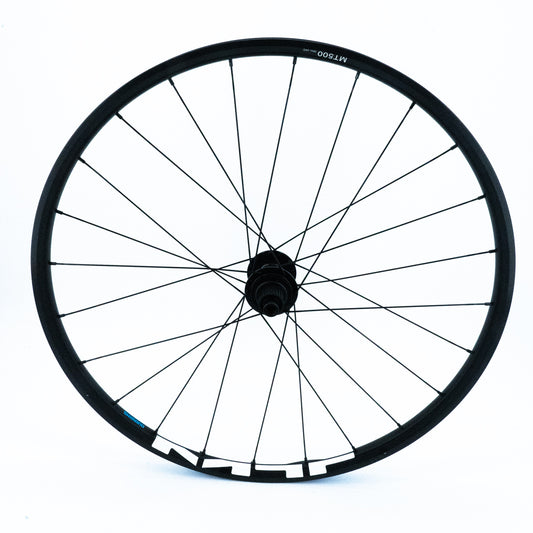
SHIMANO WH-MT500 29'' Wheelset 15x110/12x148mm Boost Axle
Regular price 129,90 €Regular priceUnit price per -
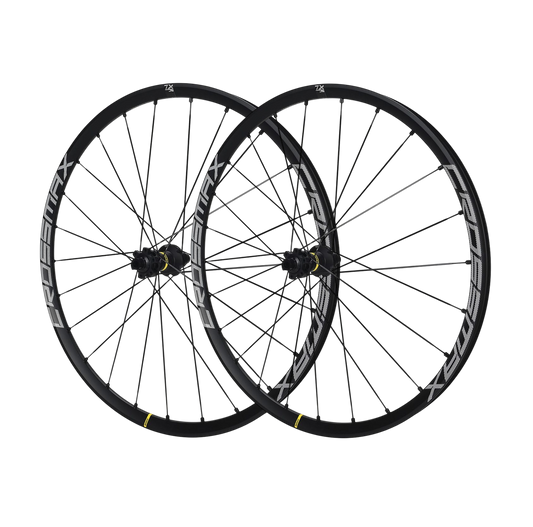
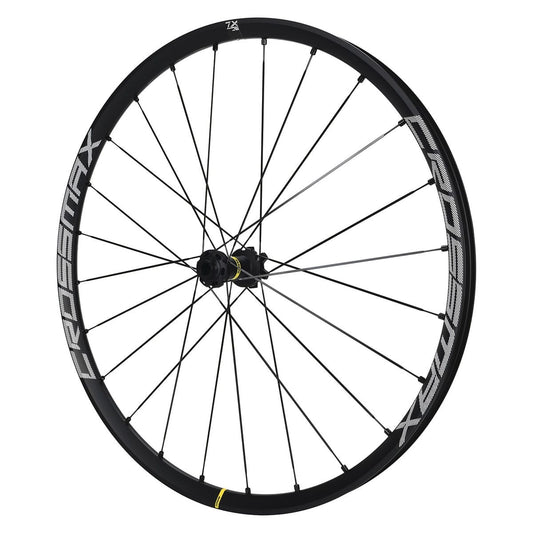
MAVIC CROSSMAX XL 29" 15x110mm/12x148mm Boost Wheelset
Regular price 449,90 €Regular priceUnit price per -
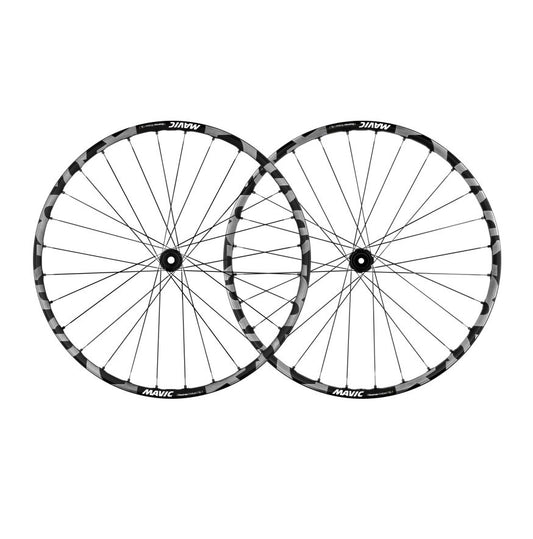
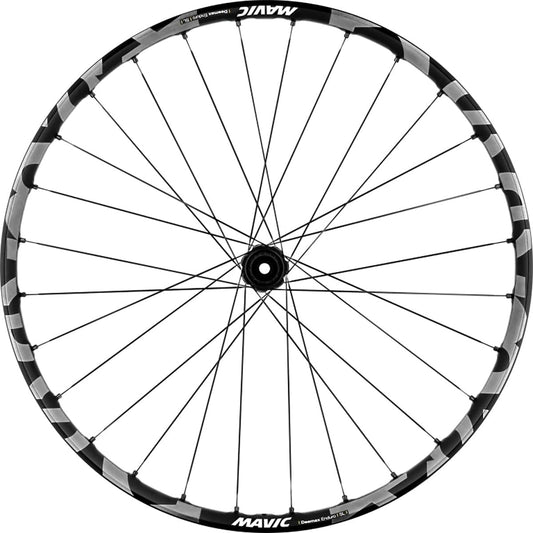
MAVIC DEEMAX ENDURO SL 29" 15x110mm/12x148mm Boost Wheelset
Regular price 699,90 €Regular priceUnit price per -
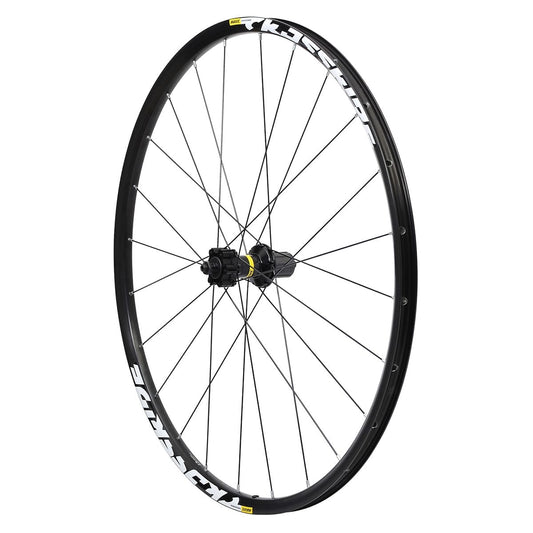
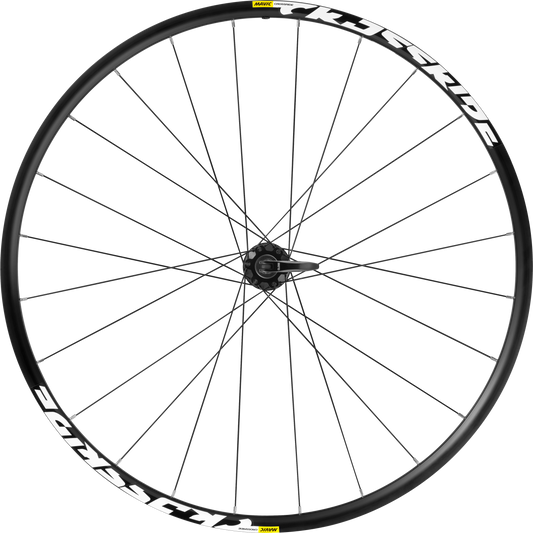
MAVIC CROSSRIDE FTS-X 29" 9x135 mm Rear Wheel
Regular price 145,90 €Regular priceUnit price per -
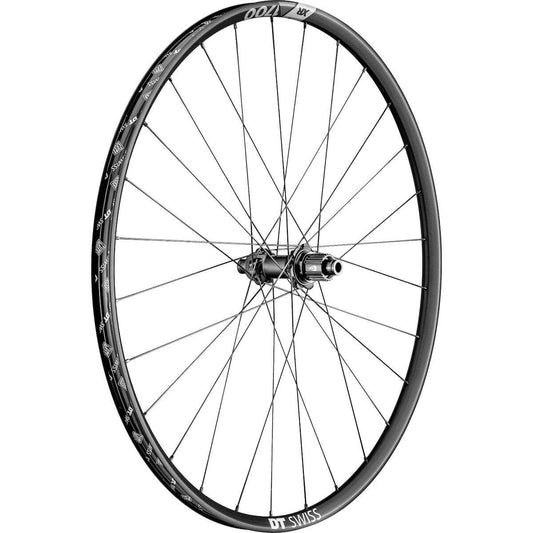
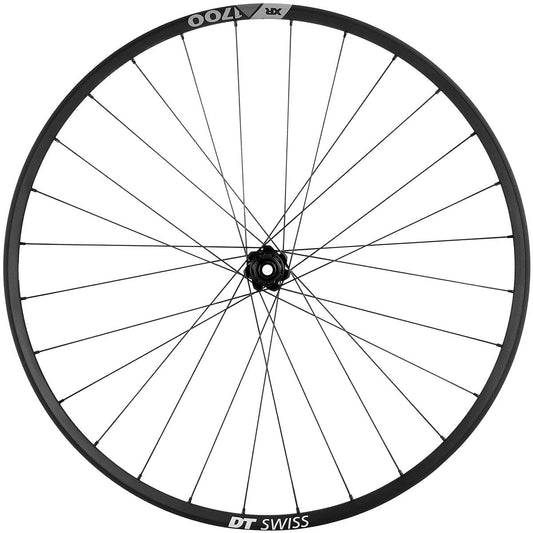
DT SWISS XR 1700 SPLINE 25 mm 29" 12x148 mm Boost Rear Wheel
Regular price 349,90 €Regular priceUnit price per -
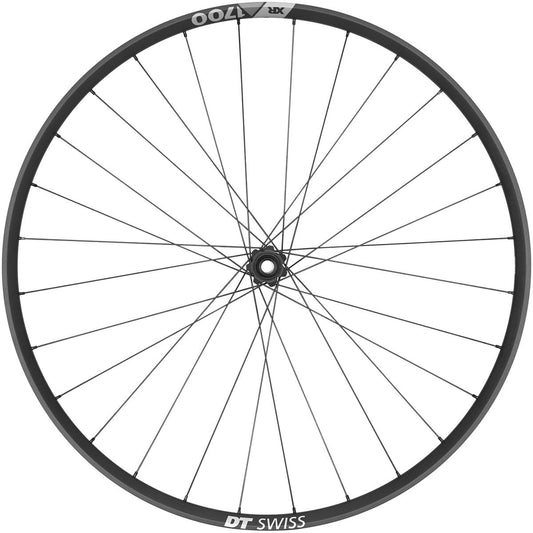
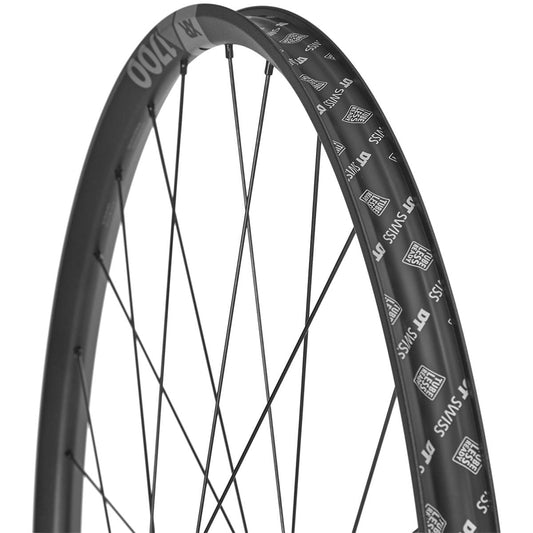
DT SWISS XR 1700 SPLINE 25 mm 29" 15x110 mm Boost Front Wheel
Regular price 249,90 €Regular priceUnit price per -
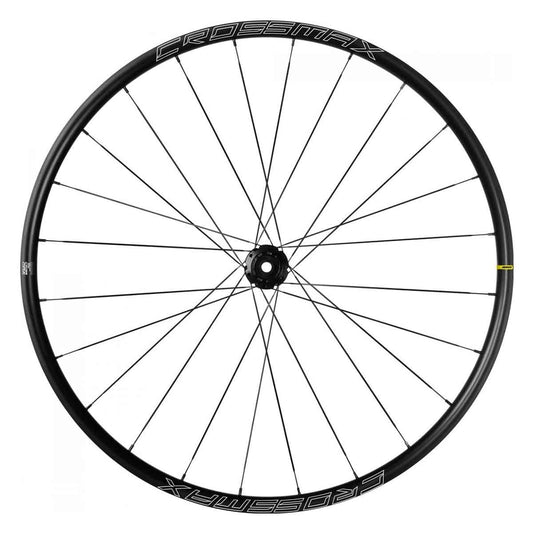
MAVIC CROSSMAX 29" 12x148 mm Boost Rear Wheel
Regular price 199,90 €Regular priceUnit price per -
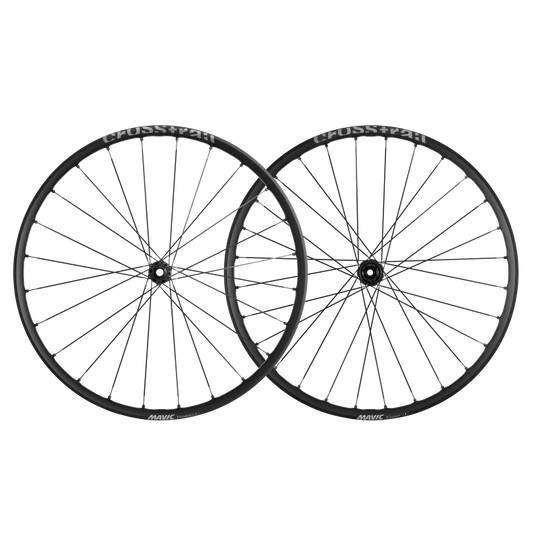
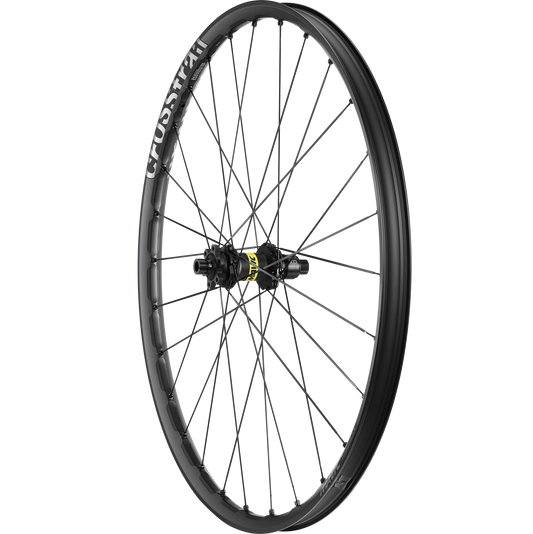
MAVIC CROSSTRAIL SL 29" 15x110mm/12x148mm Boost Wheel Pair
Regular price 349,90 €Regular priceUnit price per


