


How to choose your MTB saddle?

One of the elements that can ruin an MTB ride is the discomfort of your MTB saddle. Expectations and sensations differ according to riders' body types, but here are a few pointers to help shed some light on the vast choice of models.
Standards
- Shape: rounded, semi-rounded, flat
- Central channel: solid, cut-out or hollowed
- Width
- Rail material: titanium, steel, aluminium, carbon
Types of saddles
Saddles can be classified into three types of shapes:
Rounded
Generally favoured for long distances. Weight is often better distributed and the shape limits chafing.
Semi-rounded
Versatile model, intermediate between rounded and flat.
Flat
Designed for short distances and/or intense effort. Appreciated for races requiring regular position changes.
To reduce pressure on the perineal area, some saddles may feature a channel on the central part of the saddle d. This channel can be simply hollowed out to reduce pressure, or even completely cut out e to eliminate it in that area entirely. Note that this type of saddle does not suit everyone — the load is not entirely removed but redistributed to other areas of the seat.
The choice of saddle width is often made based on two characteristics: the size of your pelvis and your position on the bike.
- The width of your pelvis determines the contact points of your ischium (one of the three bones that form the human pelvis. The ischium supports the body's weight in a seated position.) with the saddle. The standard saddle width is around 135 mm.
- Your position on the bike will also influence the saddle width. Indeed, the distribution of your weight between the saddle, the handlebars and the pedals differs depending on whether you adopt a sporty or more upright position.
Finally, it is not uncommon to find the same saddle model offered with different rail materials. Beyond the weight saving, the material will also provide more or less comfort, but be aware that this will have an impact on the budget:
Weight |
Comfort |
Responsiveness |
Price |
Comment |
|
|---|---|---|---|---|---|
| Titanium | The best comfort-to-weight ratio. | ||||
| Steel (Chromoly) | Comfortable but the heaviest of the materials on offer. | ||||
| Aluminium | Less comfortable than steel but lighter. | ||||
| Carbon | More responsive and the lightest of all. | ||||
| Manganese | Solid, lightweight. |
Reminder: Each manufacturer uses their own proprietary names for rail material alloys (e.g. TiroX, Kium...) which can be misleading. Make sure to check carefully before making your choice.
Note that carbon rails are commonly oval rather than round, so they require an MTB seatpost with a compatible clamp.
Which saddle should you choose?
Sporting disciplines
For sporting disciplines such as XC MTB, All Mountain MTB or full-suspension MTB (Enduro and DH), a semi-rounded saddle of standard width (135 mm) is recommended. If you have a wide pelvis, it is advisable to go for a wider saddle for greater comfort.
Depending on your position, bear in mind that the more upright you are, the more weight will be distributed on the saddle — in that case it is recommended to opt for a slightly wider saddle. However, be aware that a saddle that is too wide can hinder the pedalling motion and cause inner thigh chafing over time, so it is not recommended for sporting MTB use.
If you suffer from perineal pain, try a saddle with a central cut-out or relief channel.
If, despite this advice, you are unable to find a model that allows you to ride without pain, it is recommended to consult a posture analysis specialist or a sports medicine doctor specialising in this field.
Découvrez tous nos conseils & Tutoriels
MTB - Saddles
-
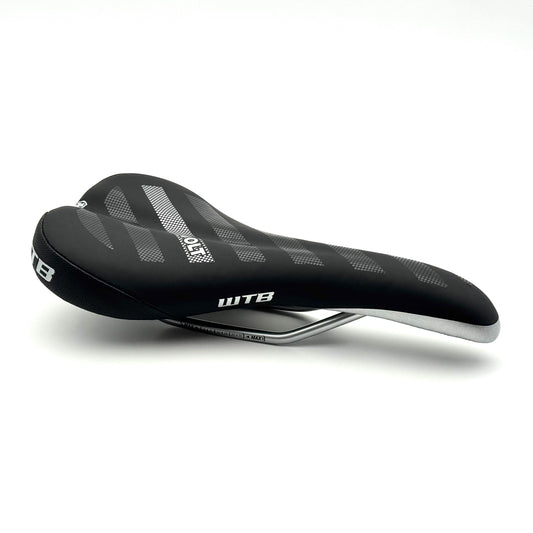
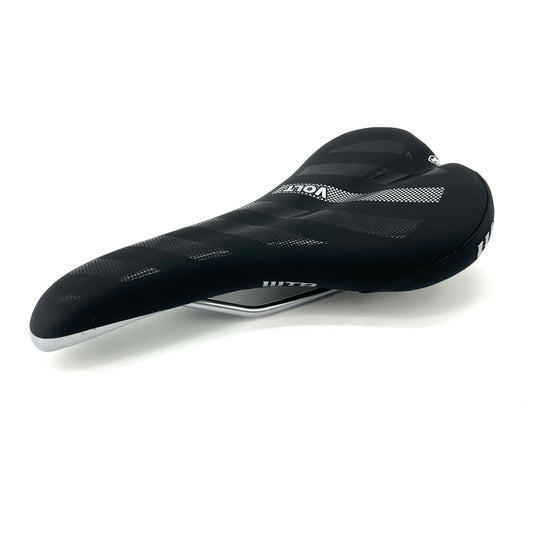
WTB VOLT COMP Medium 142mm Steel Rail Saddle
Regular price 19,99 €Regular priceUnit price per -
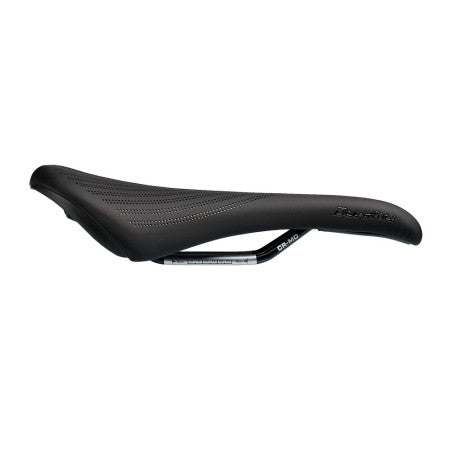
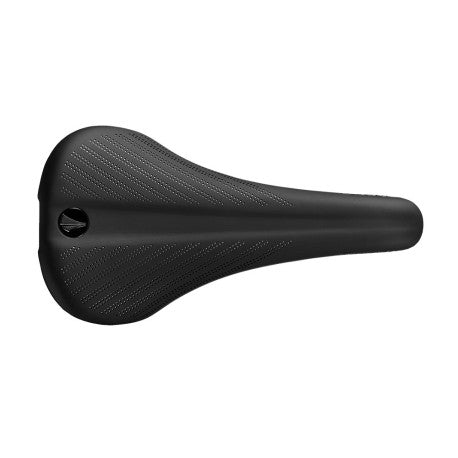
SDG BEL-AIR RL 2.0 Cr-Mo Rails Saddle Black/Silver
Regular price 49,99 €Regular priceUnit price per -
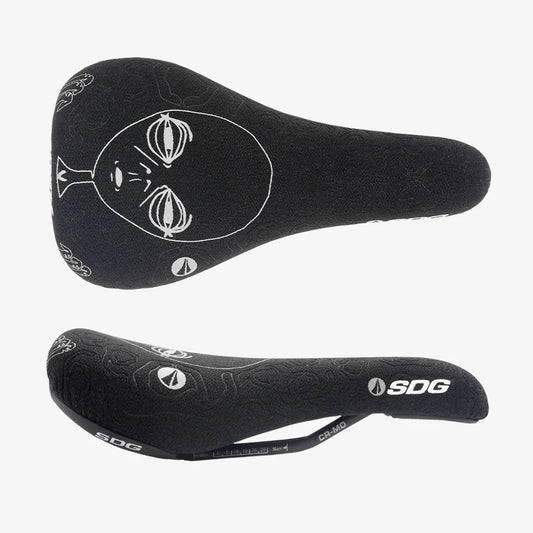
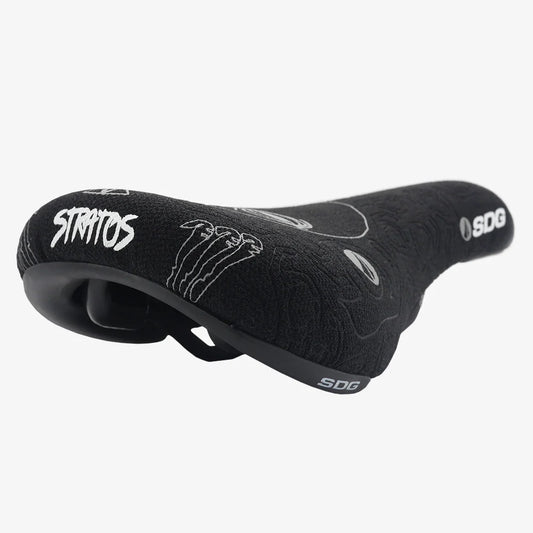
SDG APOLLO STRATOS Tomas Lemoine Signature Saddle Cr-Mo Rails
Regular price 54,99 €Regular priceUnit price per -
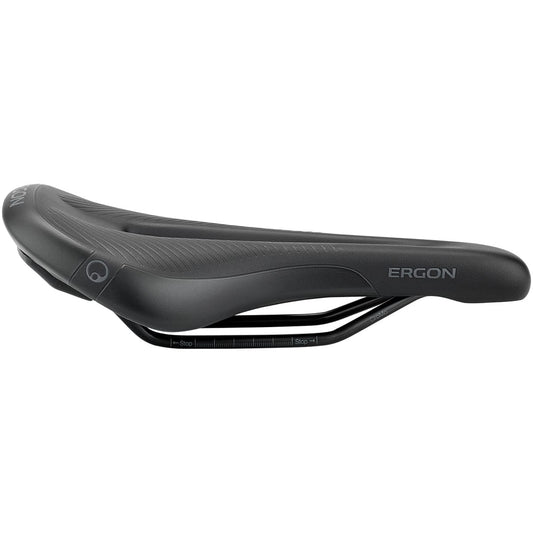
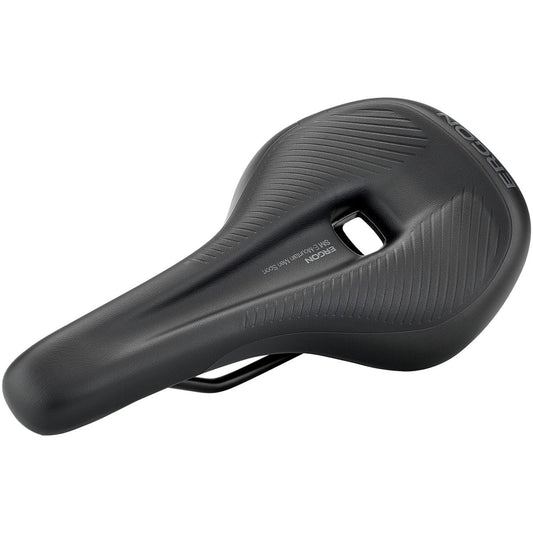
ERGON SM E-Mountain Sport M/L Saddle CrMo Rails
Regular price 79,99 €Regular priceUnit price per -
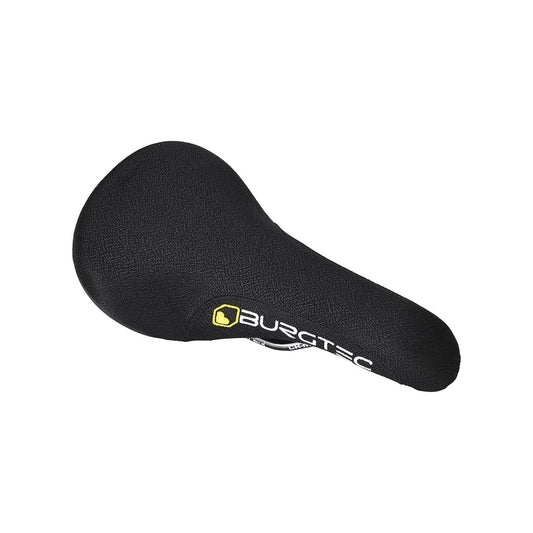
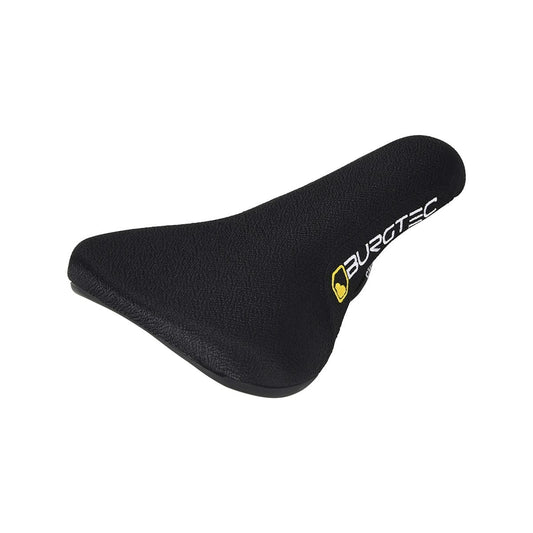
BURGTEC THE CLOUD BOOST Saddle CrMo Rails Logo Black
Regular price 49,99 €Regular priceUnit price per -
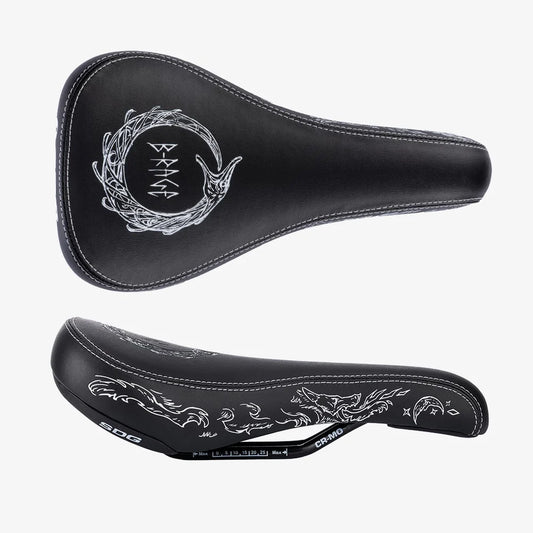
SDG APOLLO B-RAGE Signature Saddle Cr-Mo Rails
Regular price 49,99 €Regular priceUnit price per -
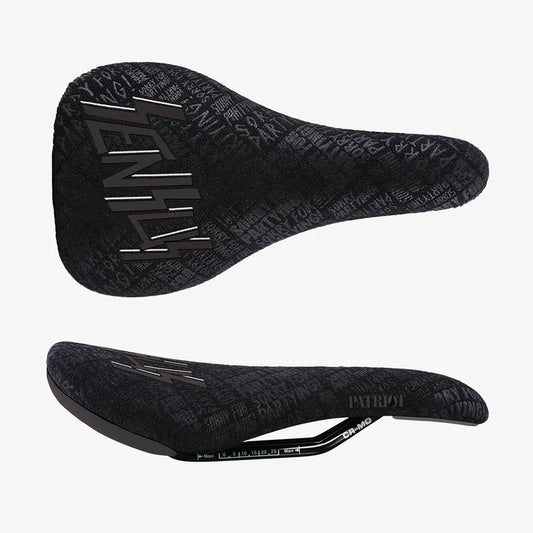
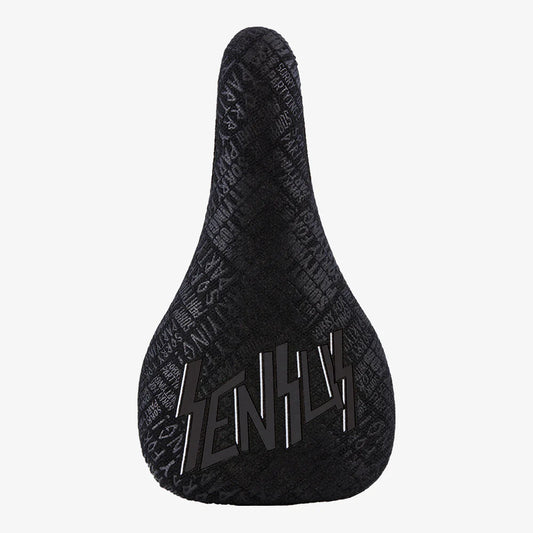
SDG PATRIOT SENSUS Cam Zink Signature Cr-Mo Rails Saddle
Regular price 49,99 €Regular priceUnit price per -

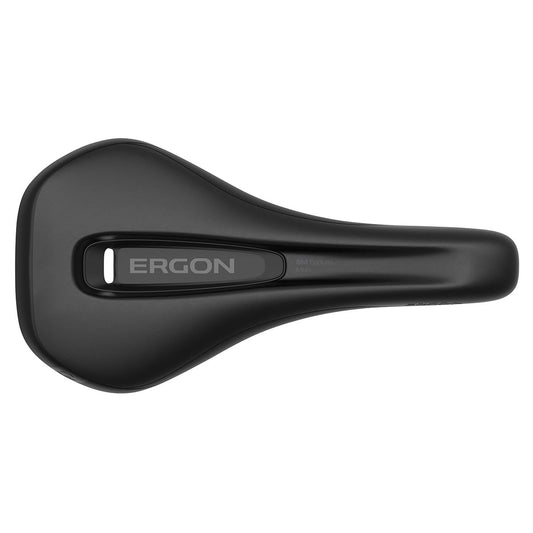
ERGON SM Enduro Men's Saddle S/M CrMo Rails
Regular price 62,99 €Regular priceUnit price per


