


How to choose your Road or MTB glasses?

When cycling, glasses are often essential. They protect against wind, branches, water or mud splashes, dust, UV rays and glare. The technologies built into the lenses can even enhance your vision!
FEATURES
- The frame: full-rim or semi-rimless, anti-slip arms, arm length, removable nose piece
- Lens type: material, interchangeable lenses, lens treatment: anti-fog, oleophobic, hydrophobic
- Lens categories: 0, 1, 2, 3 and 4
- Lens technology: polarised, photochromic, mirror lenses, lens colours
- Fit: bridge width, lens size, arm length
EVERYTHING YOU NEED TO KNOW ABOUT ROAD OR MTB GLASSES
THE FRAME
Semi-rimless frame sunglasses
The frame does not surround the entire lens, leaving the lower edge free. Some pairs consist of a single shield with a very thin upper structure. Very lightweight, these semi-rimless glasses offer an extremely wide field of vision.
Full-rim frame sunglasses
Here the frame surrounds the entire lens. The glasses are more solid, more rigid, and the lenses are less likely to be damaged or come loose in the event of an impact.
Manufacturers often choose to include an anti-slip insert on the arms (and nose piece) to ensure a secure fit during exercise.
Another important element for ensuring a secure fit is the length and shape of the arms; some are adjustable to fit perfectly with a helmet.
LENS TYPE
On most modern glasses, lenses are made from polycarbonate or organic glass. Lighter than real glass, these lenses do not shatter on impact.
On cycling glasses, particularly for MTB, the lenses are designed to protect the eyes from the sun but also from the various hazards they may encounter, such as dust in the wind or branches.
Some pairs of glasses feature interchangeable lenses, allowing you to switch from one UV protection category to another.
Finally, depending on the case, lenses may benefit from one or more treatments to improve visual and/or practical comfort. The anti-fog treatment is particularly useful in certain weather conditions, mainly in winter, by eliminating the risk of condensation, which can be dangerous as well as unpleasant. The hydrophobic treatment allows water to slide more easily off the lens surface, keeping your vision safe and effective even in rain or frequent splashing. The oleophobic treatment makes it easier to keep lenses clean by making their surface slippery and therefore non-adherent to dirt.
LENS CATEGORIES
Category 0: these clear or very lightly tinted glasses offer little or no protection against sun glare (filtration between 0 and 19% of brightness). They are worn in rainy conditions or at night when there is very little outdoor light.
Category 1: light protection increases but remains low (filtration between 20 and 57% of brightness). They are worn in cloudy or foggy conditions when there is little outdoor light.
Category 2: light protection increases, with a filtration of between 58 and 82%. They are worn in partially sunny conditions when brightness is moderate.
Category 3: the most widely used category! It indicates that 83 to 92% of sunlight is filtered and is suitable for most sunny conditions. UV protection is optimal. They are worn in sunny conditions when brightness is strong.
Category 4: by filtering up to 97% of natural light, these lenses are primarily reserved for mountaineering and nautical activities. The sun's glare reflected off snow at altitude or in the open sea can genuinely burn the retina! Bear in mind, however, that driving is prohibited with this category of lens.
LENS TECHNOLOGY
Iridium lenses, also often called mirror lenses, provide, in addition to a distinctive look, extra comfort by effectively reflecting light. They are therefore perfect in high-brightness conditions.
Eliminating more than 99% of reflections from surfaces such as water, a car windscreen, or the road, polarised lenses provide greater visual comfort and considerably improve contrast perception.
Photochromic lenses are very useful for cycling, offering great versatility. They make it possible, for example, to ride through a tunnel without removing your glasses to see clearly. These lenses behave "intelligently" and switch automatically from one category to another (from 2 to 3 or vice versa, for example) depending on the ambient light.
Bear in mind, however: this change does not happen instantly and takes at least several seconds.
Depending on their colour, lenses can be suited to particular lighting environments. A yellow lens enhances contrast in low-light conditions and is very pleasant to wear in overcast weather. A green-tinted lens enhances the perception of blues and greens and is popular for urban use; a brown-tinted lens increases contrast and reduces brightness, making it ideal for sport in bright sunlight. Finally, a grey lens does not distort colours, so it reproduces exactly what you see.
FIT
Some highly wraparound and well-curved glasses provide maximum protection, limit stray light entry and help channel airflow around the face.
The lens size, bridge width (the space between the lenses) and arm length all affect comfort. All these parameters should obviously be assessed according to the shape of your face.
WHICH GLASSES FOR MY RIDING STYLE?
Road cyclists will lean towards lightweight models, often with a semi-rimless frame or even a single shield offering great lightness and maximum field of vision.
MTB riders will prefer more robust glasses, capable of withstanding branch strikes! Only DH / Freeride and Enduro riders will forgo glasses and generally opt for a goggle.
In any case, the choice depends above all on your own expectations and light conditions.
EQUIPMENT - Eyewear
-

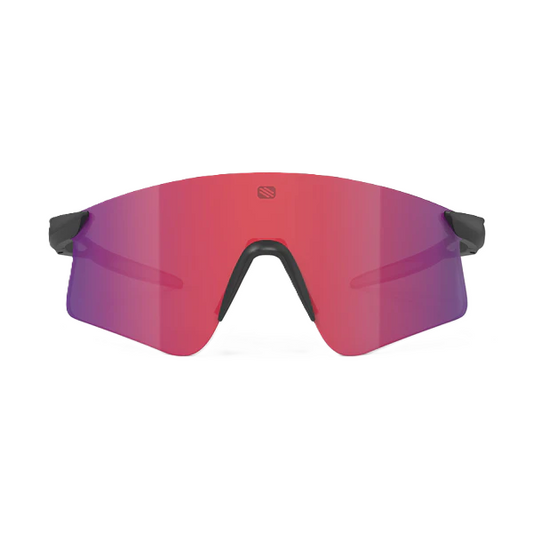
RUDY PROJECT ASTRAL X Glasses Black RP Optics Multilaser Red Lenses
Regular price 149,90 €Regular priceUnit price per -

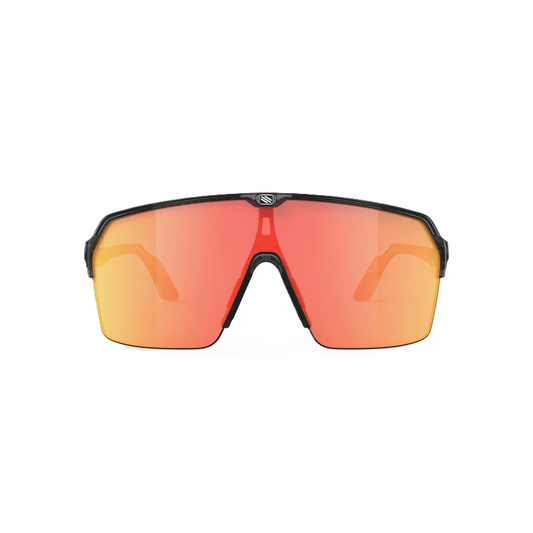
RUDY PROJECT SPINSHIELD AIR Crystal Ash Glasses RP Optics Multilaser Orange Lenses
Regular price 109,90 €Regular priceUnit price per -

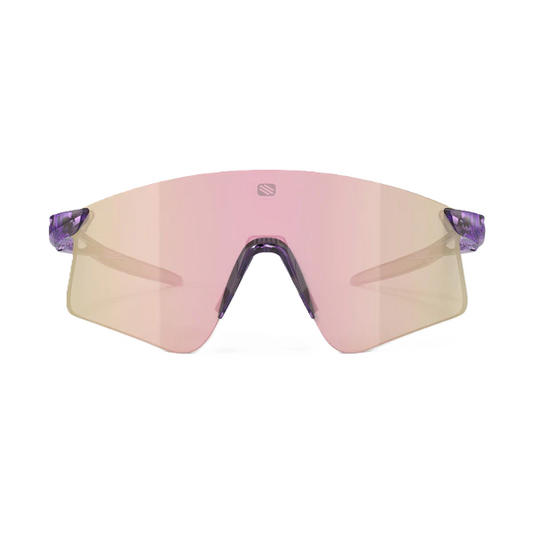
RUDY PROJECT ASTRAL X Crystal Lilac Glasses RP Optics Multilaser Rose Gold Lenses
Regular price 119,90 €Regular priceUnit price per -

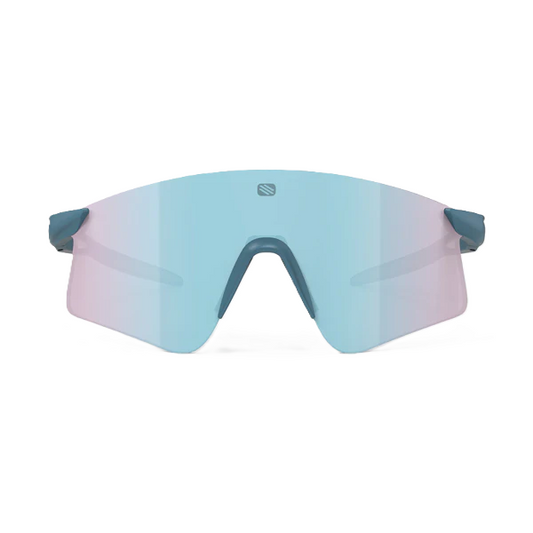
RUDY PROJECT ASTRAL X Light Teal Glasses RP Optics Multilaser Osmium Lenses
Regular price 119,90 €Regular priceUnit price per -

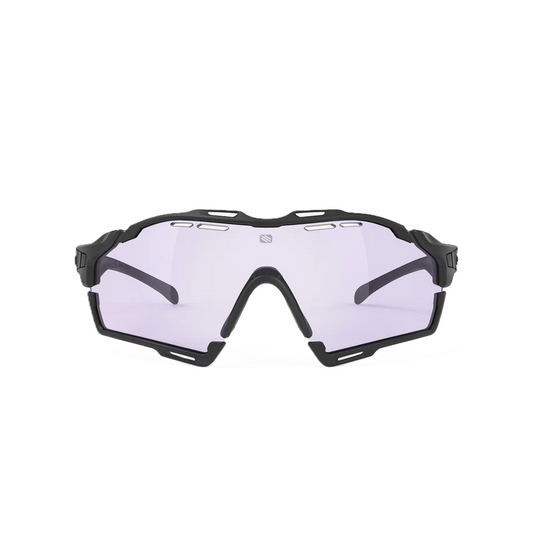
RUDY PROJECT CUTLINE Glasses Matt Black IMPACTX™ Photochromic Laser Purple Lenses
Regular price 179,90 €Regular priceUnit price per -

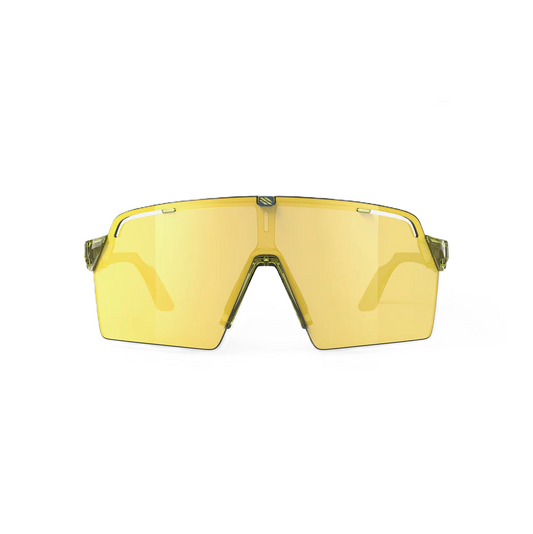
RUDY PROJECT SPINSHIELD PRO Crystal Apple Glasses RP Optics Multilaser Yellow Lenses
Regular price 119,90 €Regular priceUnit price per -

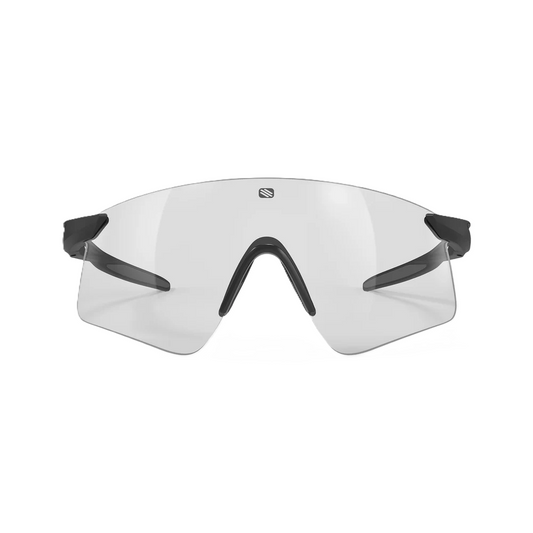
RUDY PROJECT ASTRAL SPHERE Glasses Black IMPACTX™ Photochromic Black Lenses
Regular price 149,90 €Regular priceUnit price per -

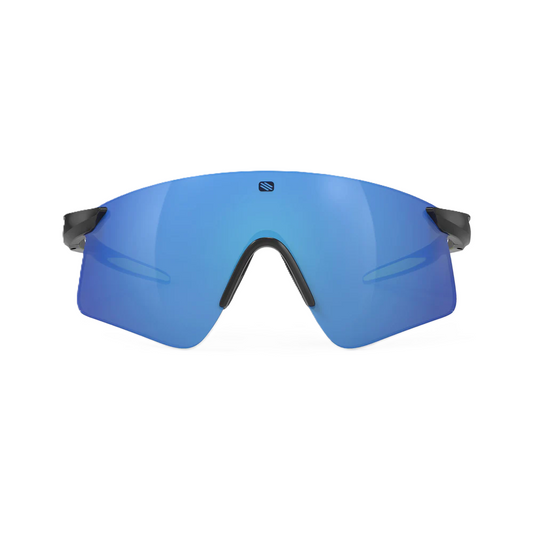
RUDY PROJECT ASTRAL SPHERE Glasses Crystal Black POLAR 3FX POLARIZED Multilaser Lenses
Regular price 189,90 €Regular priceUnit price per


