How to choose your MTB fork?
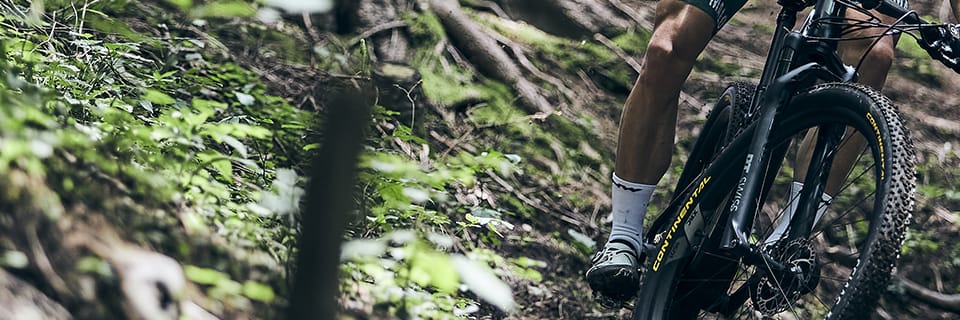
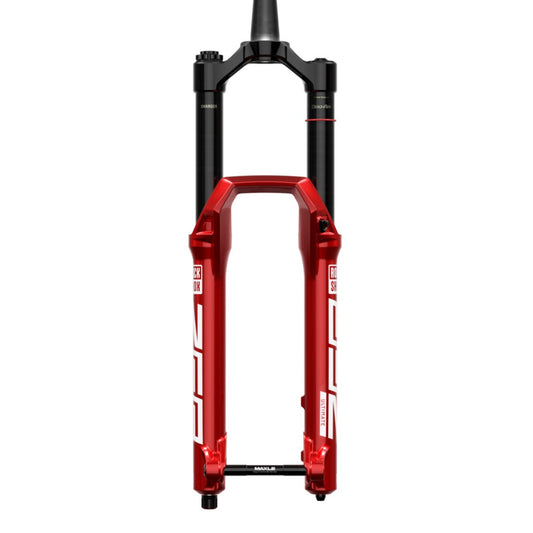
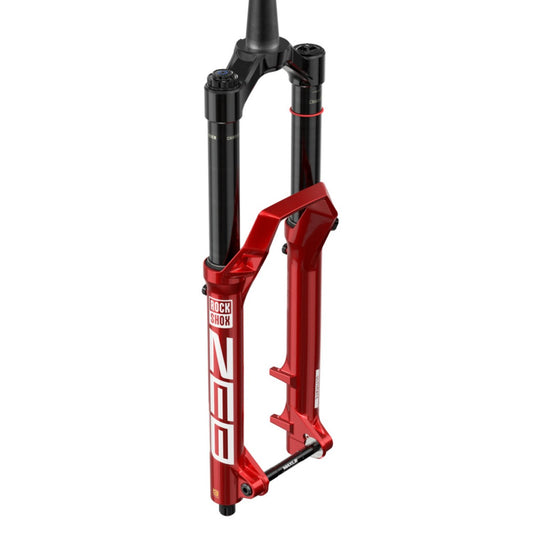
The cornerstone of precise and comfortable handling, the MTB fork must be selected with care. Increasingly sophisticated and high-performing, the choice is all the more complex. Here is what you need to guide you in finding the fork that suits you best.
Standards
You will not necessarily be able to fit any fork you like. Beyond the choice of technology, you will need to respect the following points based on compatibility with your frame and front wheel:
- The fork steerer diameter: 1"1/8, tapered 1.5"-1"1/8 or 1.5"
- Travel: make sure to respect what is specified by your MTB manufacturer
- The axle type of your front wheel: 9 mm, 15x100 mm, 15x110 mm (Boost), or 20 mm
- The diameter of your front wheel: 26", 27.5", 27.5" Plus, 27.5" Boost or 29"
Types of forks
A suspension is always made up of 2 distinct elements: the spring and the damper.

a The pneumatic or coil spring
Pneumatic springs (or air springs) a1 are lighter and offer what is known as progressive operation. They allow for simpler and finer adjustment relative to the rider's weight using a high-pressure pump. Depending on the brand and model, it is also possible to modify the volume of the air chamber: the greater the air volume, the closer the operation will be to linear behaviour; the smaller the air volume, the more progressive the suspension will be. They do, however, require more frequent maintenance and are slightly less sensitive to small bumps.
Coil springsa2 are more sensitive to small bumps and offer what is known as linear operation. They are however heavier and will require the original spring to be replaced if it is not suited to your weight.
 |
 |
b The damper, always hydraulic
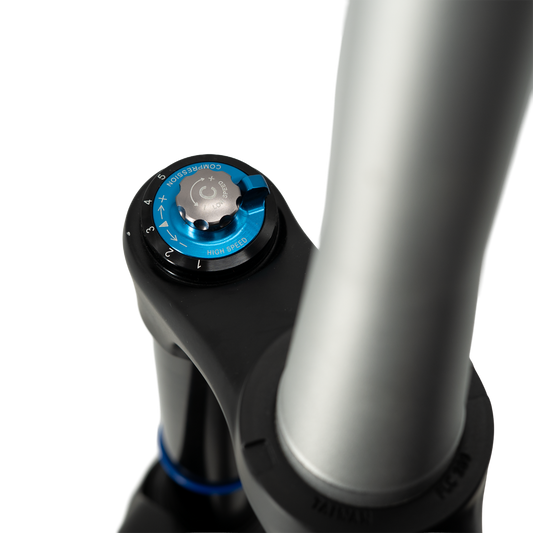
The hydraulic section manages compression (or dive) b1 and rebound b2 of your fork through the metering of the oil inside. There are several types of cartridge with varying levels of adjustment possibilities.
 |
 |
Which fork for my riding style?
The elements to take into account when making your choice are: travel, adjustment options and potentially weight.
-
Hiking / Leisure
For a leisure ride, you can go for a coil spring fork if you prioritise reliability, or an air fork if you are looking for performance, with a travel between 100 and 130 mm. Keep it simple with a fork lockout for very fast sections or climbs, and a basic rebound adjustment.
-
Enduro
For Enduro, an air system will be the most appropriate for maximum performance on power-ups, with a travel of 140 to 180 mm to absorb everything at high speed. Rather than a fork lockout, opt for a compression adjustment to adapt to the different terrain characteristics, along with a rebound adjustment.
-
Cross-Country
For Cross-Country rides on a hardtail or full-suspension MTB, opt for a light fork with an air system and a travel of 80 to 120 mm to limit losses due to the pedalling bob effect. A handlebar-operated lockout if possible, and a rebound adjustment are necessary for sporting use.
-
DH / Freeride
In DH / Freeride, dual-crown forks with 200 mm travel are recommended, generally with a coil spring for obvious reliability reasons; but air systems, increasingly high-performing, are also starting to make their mark in this discipline. High and low-speed compression and rebound adjustment are recommended.
-
All-Mountain
For All-Mountain riding, the performance and lightness of an air fork will be an asset, but a coil spring can also be a good choice for its robustness. You should opt for a travel between 130 and 160 mm to absorb descents without issue on your full-suspension MTB. Fork lockout is not mandatory, but compression and rebound adjustment is recommended to adapt to all types of trail.
Découvrez tous nos conseils & Tutoriels
MTB - 29" MTB Forks
-

SR SUNTOUR Auron 35 Boost RC2 PCS 29" Equalizer Tapered 15x110mm Qr Ti Fork
Regular price 199,90 €Regular priceUnit price per -
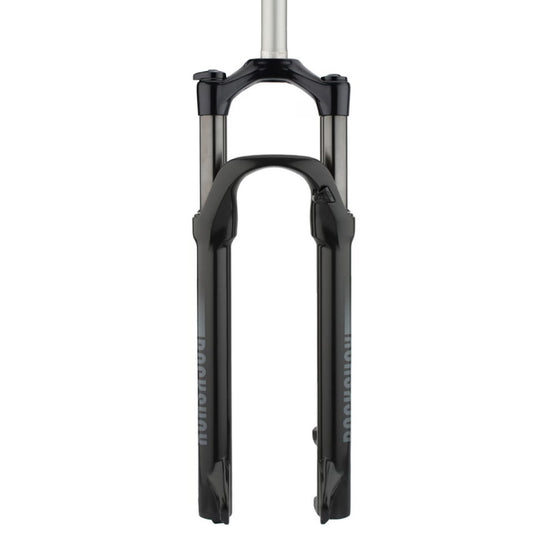
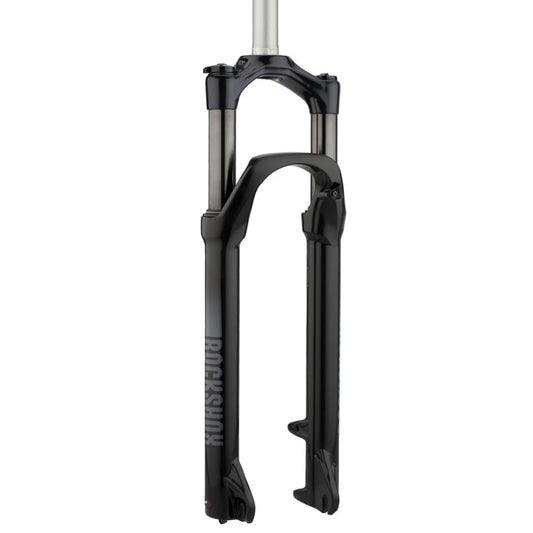
ROCKSHOX JUDY SILVER TK 29" SoloAir Straight Pivot 9x100mm QR Axle Black Fork
Regular price 169,90 €Regular priceUnit price per -

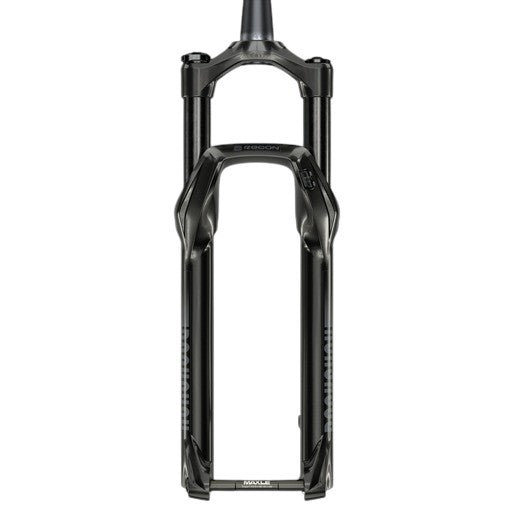
Fork ROCKSHOX RECON SILVER RL 29 SoloAir Straight Steerer Axle 9x100mm QR Black
Regular price 219,90 €Regular priceUnit price per -

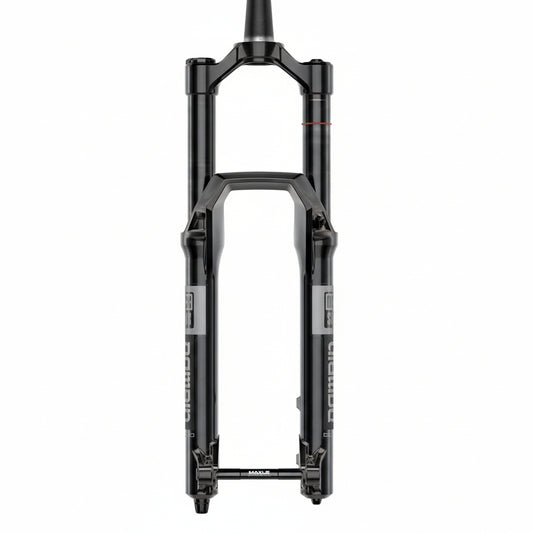
ROCKSHOX DOMAIN GOLD ISOLATOR RC3 29" Tapered 15x110mm Boost Black Fork
Regular price 449,90 €Regular priceUnit price per -
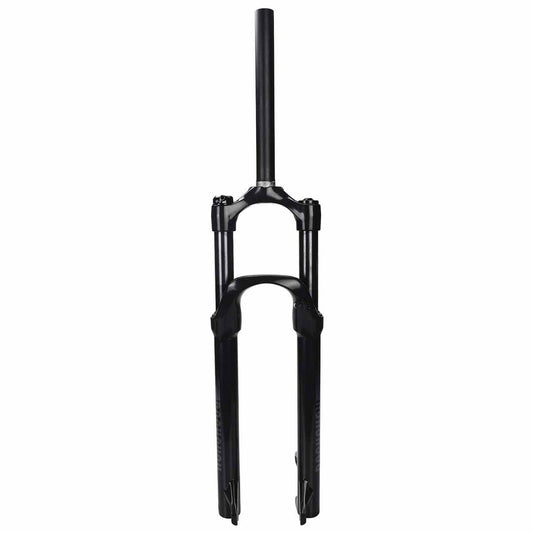
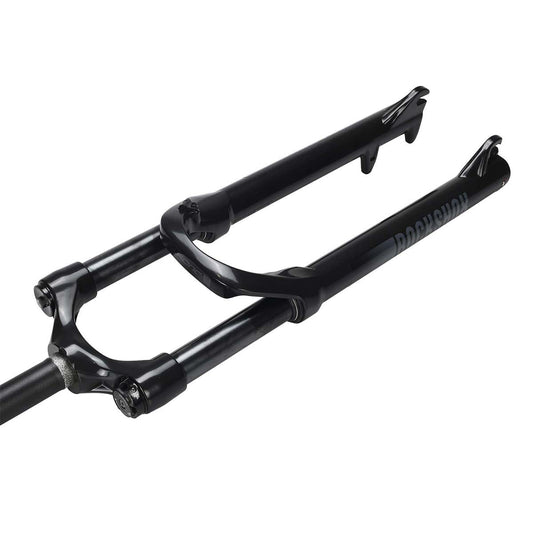
ROCKSHOX JUDY SILVER TK 29" SoloAir Remote Straight Steerer 9QR Axle Black 2021 Fork 00.4020.555.015
Regular price 199,90 €Regular priceUnit price per -
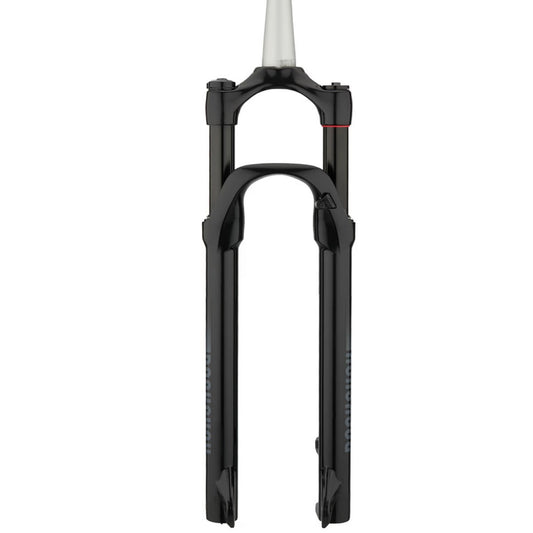
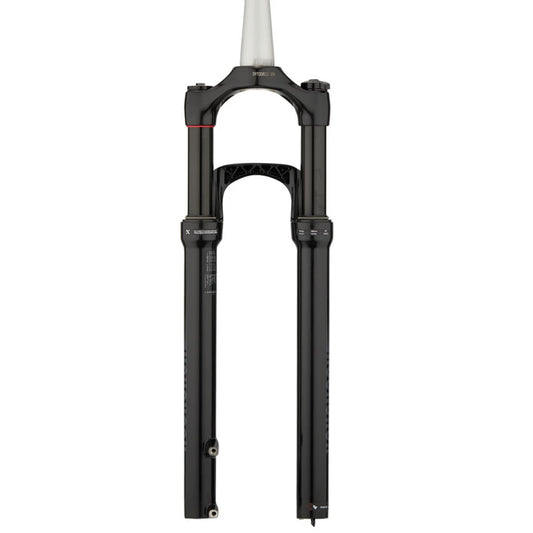
ROCKSHOX JUDY GOLD RL 29 SoloAir Tapered 9x100mm QR Axle Black Fork
Regular price 279,90 €Regular priceUnit price per