


How to choose your bike extensions?

A characteristic feature of time trial bikes that instantly identifies a triathlete, TT cockpits allow you to adopt a position that is both aerodynamic and powerful in terms of pedalling, while remaining comfortable for several hours. As the choice can depend on personal, aesthetic and functional criteria alike, it is not always straightforward for the uninitiated triathlete. Here is some guidance to help you.
Key points
- Extensions: components, adjustments, shapes;
- Base bars;
- Fully integrated cockpits.
EVERYTHING YOU NEED TO KNOW ABOUT TRIATHLON COCKPITS
Bare extensions, paired with a base bar, or an integrated handlebar/stem/extension set — depending on your bike — road or triathlon/TT — the most suitable equipment will not be the same.
If you wish to modify your road bike to adopt a speed-seeking position without altering the rest of your setup, adding extensions can prove to be a worthwhile investment.
More and more ultra long-distance race enthusiasts are also adopting extensions for the variety of positions and comfort they offer.
If, on the other hand, you are looking to build a pure triathlon/TT bike, or you already own one but wish to renew your equipment, a complete cockpit integrating a base bar and extensions with specific brake and gear levers will allow you to make the most of your machine's full potential.
EXTENSIONS
As a preamble, it is worth noting that most extensions can be used with both standard road bikes and triathlon/time trial bikes that integrate gear shifters. Indeed, extensions are generally hollow and have removable end caps. Simply remove them to install the gear shifters (and cables where applicable).
Extensions consist of two bars called extensions, and two arm rests, which are padded with foam or cushions, with it generally being possible to replace each part individually, in particular the pad inserts. As all extensions share the same diameter (22.2 mm), it is possible to mix arm rests from one brand with extensions from another.
Some models feature an aerodynamic bridge at the end of the bars to ensure the best possible air penetration.
Most models have graduated markings to make it easy to position the arm rests.
The higher up the range you go, the more adjustment options are available, particularly with spacer kits: length and height of the extensions, position, angle and height of the arm rests, …
Probikeshop Tip: Sometimes available in different lengths, if in doubt do not hesitate to opt for the longer one, as it is always possible to cut them down to perfectly suit your body shape and position. In that case, make sure to use a saw blade suited to the extension material (aluminium or carbon).
THE DIFFERENT SHAPES
Beyond the choice of material — aluminium or carbon for competitors seeking absolute performance — the main criterion will be the shape of the extensions. While there is a very wide variety of models, we can distinguish six main shapes:
Straight
The extensions here are straight, in line with the handlebar. Beyond playing more or less on arm extension, they offer only one position — a very aggressive one — which is not necessarily easy to hold for a long time for a beginner, as the chest is less open and the gaze tends to point downwards. These extensions are therefore better suited to experienced triathletes, although when positioned a little higher they can prove comfortable.
JS-Bend
JS-Bend extensions are also available, combining J-Bend and S-Bend, with the advantage of offering a multitude of positions. Ideal for triathletes who have not yet found their position.
They will also appeal to ultra long-distance enthusiasts who wish to vary their positions to ride comfortably for extended periods.
J-Bend
The extension is flat then curves upward at its tip. This allows you to enjoy an aerodynamic position while opening the chest more and achieving an ideal hand placement. It thus represents a good compromise between efficiency and comfort. Certainly the easiest to get to grips with.
Some manufacturers, particularly for steep angles, sometimes refer to these as L-Bend or Ski-Bend.
U-Bend
Somewhat out of fashion, U-Bend extensions still have their fans for the extra comfort this type of model can offer. U-Bend extensions are generally derived from a J-Bend where the two bars have been joined at their tips, forming a U-shaped bridge.
S-Bend
The extension has a more or less pronounced S shape, allowing you to vary positions while remaining relatively aggressive. They therefore display very great versatility.
Extensions of this type do however require good wrist flexibility, without which pain in that area can appear fairly quickly.
Mini
Finally, there are specific models for races where drafting is permitted and where extensions must not extend beyond the tip of the brake hoods. Compact, these models are also perfect for those looking to gently get to grips with the position, as they allow you to approach this type of equipment safely without losing stability.
BASE BAR BASICS
The base bar is a model designed for triathlon and time trial use. An essential complement to extensions for those looking to build a dedicated solo-effort cockpit, the base bar handlebar provides an effective grip during acceleration phases, in corners, when negotiating technical sections and on descents, as this is the element on which the brake levers are mounted.
Designed primarily with aerodynamics in mind, base bar handlebars are generally built for internal cable routing. They are available in both aluminium and carbon. As for the shape, they can be straight, with flat or raised right-angle horns, in a V shape… It is all a matter of taste and budget. There is no solution better than another.
COMPLETE SETS
Finally, for top-level competitors or enthusiasts of very fine equipment, brands offer integrated sets comprising a base bar and extensions. Adjustable in height, width and depth, and displaying very light weight, exceptional aerodynamics and perfect integration, these sets will delight the most discerning riders. Indeed, beyond their high price, these solutions require you to know your settings precisely.
WHICH COCKPIT FOR MY DISCIPLINE?
As mentioned in the introduction, the choice between simple extensions and a complete cockpit will depend on the type of bike in question: a standard road bike in the first case, a time trial bike in the second.
Regarding extensions, outside of drafting races where you will often have no choice but to opt for a Mini-type model — regulations limiting the length of extensions for safety reasons (they must not extend beyond the tip of the brake hoods) — the choice of one model over another is primarily a matter of personal taste.
Whatever solution you choose, bear in mind that the primary goal of a triathlon-specific cockpit is to gain aerodynamic advantage. To achieve this, it is essential to feel comfortably positioned so as to be able to hold a speed-seeking position for several hours, particularly in the context of long-distance triathlons.
Découvrez tous nos conseils & Tutoriels
ROAD - Handlebars
-

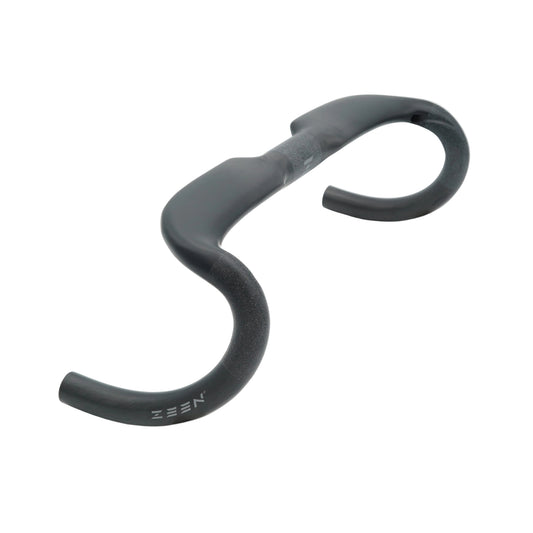
ZEEN ROAD Handlebar
Regular price 159,90 €Regular priceUnit price per -

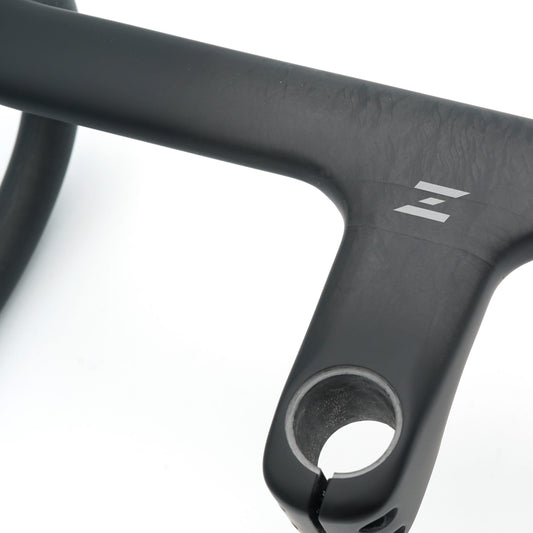
ZEEN ROAD COMBO Handlebar
Regular price 299,90 €Regular priceUnit price per -
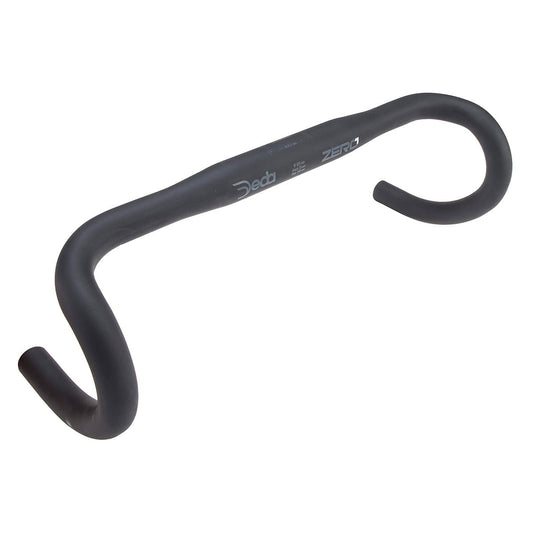
DEDA ZERO1 RHM Handlebar bob finish
Regular price 29,99 €Regular priceUnit price per -
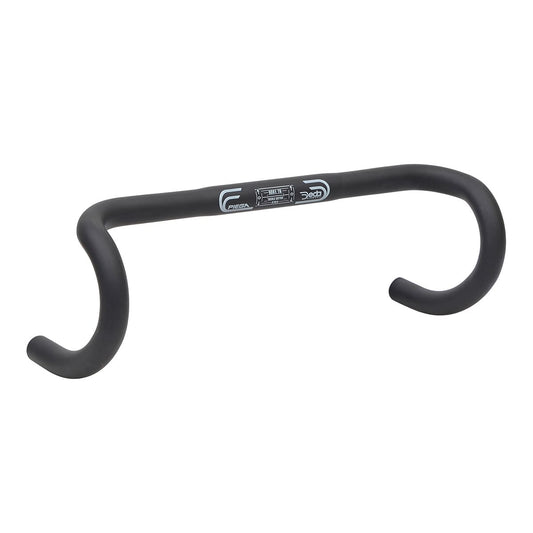
DEDA PIEGA RHM 26mm Handlebar
Regular price 29,99 €Regular priceUnit price per -
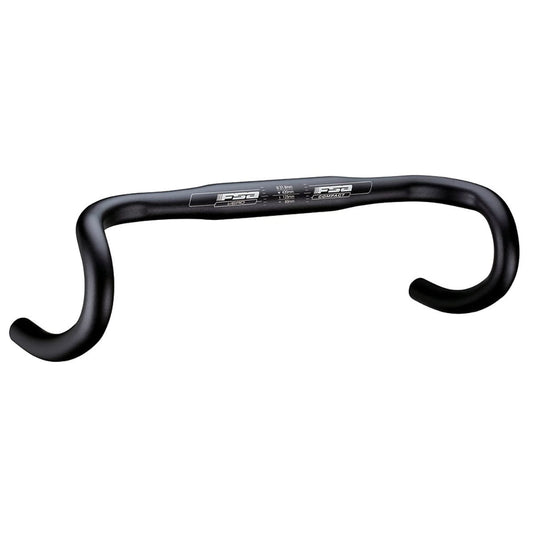
FSA VERO COMPACT Handlebar
Regular price 24,99 €Regular priceUnit price per -
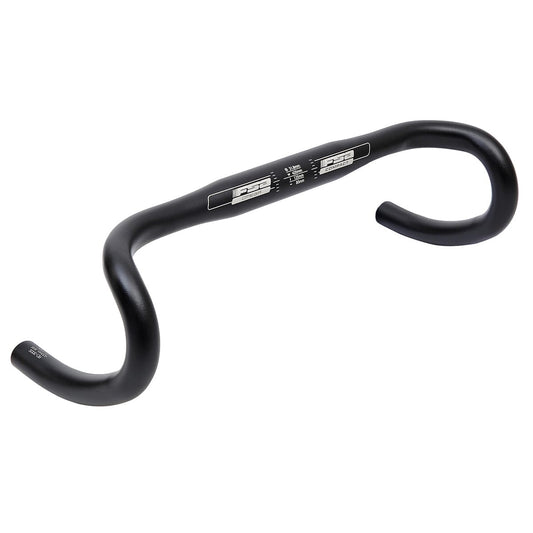
FSA OMEGA COMPACT Handlebar
Regular price 29,99 €Regular priceUnit price per -
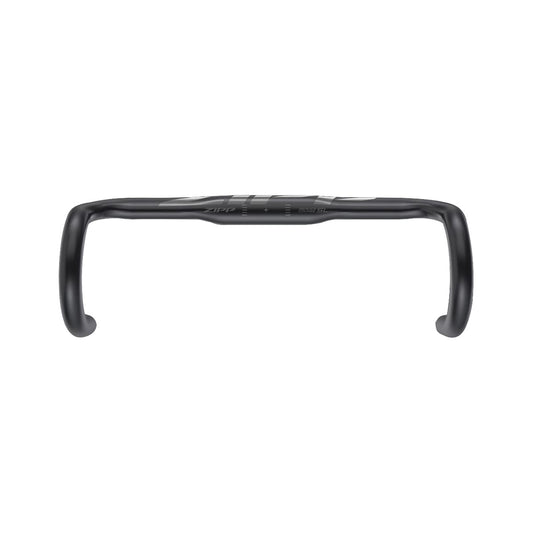
ZIPP SERVICE COURSE SL 70 Ergo Handlebar
Regular price From 98,99 €Regular priceUnit price per -
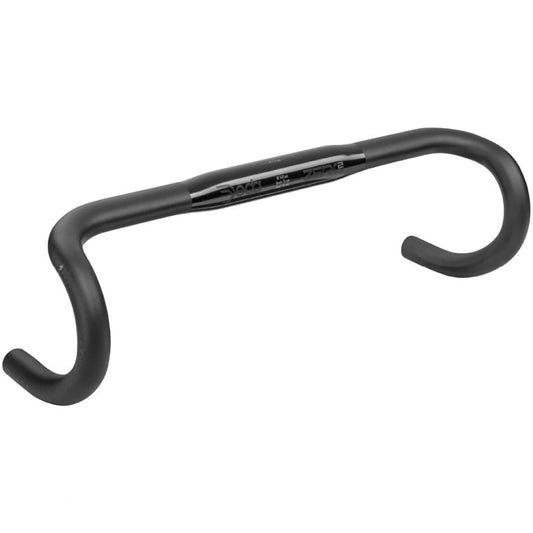
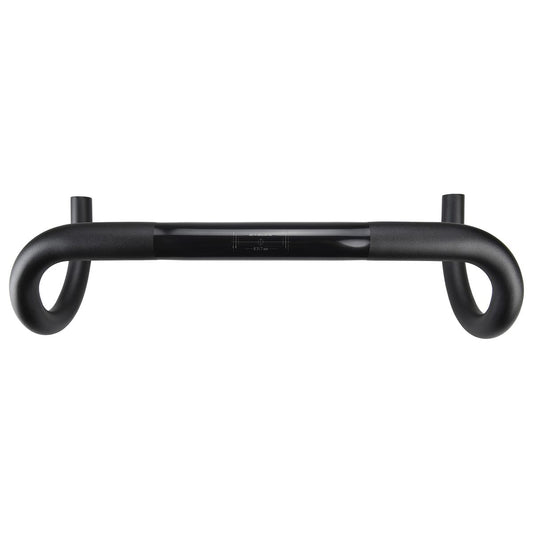
DEDA ZERO2 RMH pob finish handlebar
Regular price From 34,99 €Regular priceUnit price per


