


How to understand MTB geometry?

A key element when buying an MTB, geometry determines your position on the bike: top tube length, Stack, Reach, head tube angle — several indicators influence its behaviour…
If you want to understand what these figures mean and how this information can help you choose a bike, here is a comprehensive guide to understanding everything.
EVERYTHING YOU NEED TO KNOW ABOUT MTB GEOMETRY

1 Top tube length:
This dimension is the length between the head tube axis and the seat tube axis. An effective length exists when the measurement is taken horizontally. In general, a shorter measurement favours handling and comfort, while a longer measurement allows a stretched-out position for efficiency in XC.
2 Head tube height:
Distance between the top and bottom surfaces of the head tube. A taller head tube will provide more comfort with a more upright position.
3 Head tube angle:
It corresponds to the angle between the fork or head tube and a horizontal line parallel to the ground. A slack angle (low values) promotes stability on descents, while a steep angle improves manoeuvrability.
4 Seat tube height:
Effective length: it measures the distance between the bottom bracket axle and the top of the seat tube. Real length: it measures the distance between the bottom bracket axle and the top tube axis. This measurement determines the MTB frame size to choose based on your inseam length. A frame is described as sloping when the value is lower, or classic when the value is higher relative to the average.
5 Seat tube angle:
It corresponds to the angle between the seat tube and a horizontal line parallel to the ground. A steep angle provides climbing power by adopting a forward position, while a shallow angle makes pedalling more supple and encourages wheelies.
6 Chainstay length:
It determines the length between the bottom bracket axle and the rear wheel axle. Short chainstays improve responsiveness and allow the rear wheel to track better through corners. Conversely, long chainstays provide stability at high speed on descents.
7 Ground clearance:
This is the measurement between the bottom bracket axle and the ground. A low value provides stability but also the risk of ground contact, while a high value improves clearance at the cost of stability.
8 Wheelbase:
Distance between the two wheel axles; a low value makes the bike manoeuvrable with less stability, while a high value favours stability with reduced manoeuvrability.
9 Reach:
It corresponds to the distance between the bottom bracket axle and the head tube axis. This value is a size indicator on modern Enduro-style bikes. The greater the Reach, the more room there is. It can be modified by changing the stem length or using a specific headset.
10 Stack:
This is the distance between the bottom bracket axle and the horizontal line of the head tube. This measurement determines the height of the front of the bike. A high value contributes to comfort while a low value favours efficiency. It can be adjusted by modifying the handlebar or stem height.
11 BB Drop:
It represents the height between the bottom bracket axle and the virtual horizontal line between the two wheel axles. A low value promotes stability at high speed.
The geometry specifications to check when buying a bike
For all MTB disciplines, it is essential to choose the right frame size in order to make the most of the bike's characteristics. The key element for choosing the size is the effective seat tube length; then refer to the brand's size guide to choose the correct size according to your height and inseam length.
Touring
For leisure MTB riding, the aim is comfort and enjoyment on rolling, non-technical terrain; the position is intermediate. The geometry is often similar to Cross-Country, but with a more upright front position. Comfort is more important than performance. The bottom bracket is high to make the bike more manoeuvrable.
Cross-Country
With performance as the goal in hardtail or full-suspension MTB competition, the position is more forward-leaning. You will find a longer top tube length compared to other disciplines. The head tube angle is steeper to prioritise manoeuvrability and quick accelerations on rolling sections. The head tube is often lower for powerful pedalling. Saddle height is higher than handlebar height. The seat tube angle is steep for an attacking position.
All-Mountain
Versatility is key across all terrain types; the position must be comfortable while maintaining performance both on climbs and descents. The top tube length is therefore shorter compared to XC or touring. The front position is more comfortable and the head tube angle more open to increase the ability to descend steep gradients. The bottom bracket sits lower than for touring to gain stability on descents.
Enduro
Performance must be optimal on descents while maintaining good climbing ability, which is what a full-suspension MTB offers. The characteristics are identical to All-Mountain, but with a more aggressive approach to descents by opening the head tube angle further and with short chainstays for optimal manoeuvrability. The Reach is a good indicator of frame clearance; a longer Reach is better suited to climbing while leaving room for movement. A steep seat tube angle will be appropriate for climbing performance, and a slack angle for climbing comfort.
DH / Freeride
In competition or at a Bike Park, downhill performance is essential. The head tube angle is very slack to engage more easily on steep terrain; chainstays are short for manoeuvrability or long for stability (sometimes adjustable depending on brand and model). The bottom bracket is very low to gain stability on fast sections.
CONCLUSION
Geometry is decisive in a rider's choice; the primary factor is size, while the other data influence the bike's behaviour on climbs and descents. Brands develop models to deliver an experience to the rider; the way of thinking differs between brands, and geometries reflect the philosophy of their designers. The most important thing is to know your discipline, your level and your concept of cycling in order to choose the right machine that will give you the most enjoyment.
Découvrez tous nos conseils & Tutoriels
MTB Universe
-
SHIMANO XT ULTEGRA CN-HG701-11 E-Bike Rated 11-Speed Chain
Regular price From 24,99 €Regular priceUnit price per -
12-Speed Chain SHIMANO XT ULTEGRA CN-M8100 Quick Link E-Bike Rated
Regular price From 29,99 €Regular priceUnit price per -
12-Speed Chain SHIMANO SLX 105 CN-M7100 Quick Link E-Bike Rated
Regular price From 18,99 €Regular priceUnit price per -
12-Speed Chain SRAM GX EAGLE
Regular price From 19,99 €Regular priceUnit price per -
SHIMANO SLX 105 CN-HG601-11 11-Speed Chain E-Bike Rated
Regular price From 18,99 €Regular priceUnit price per -
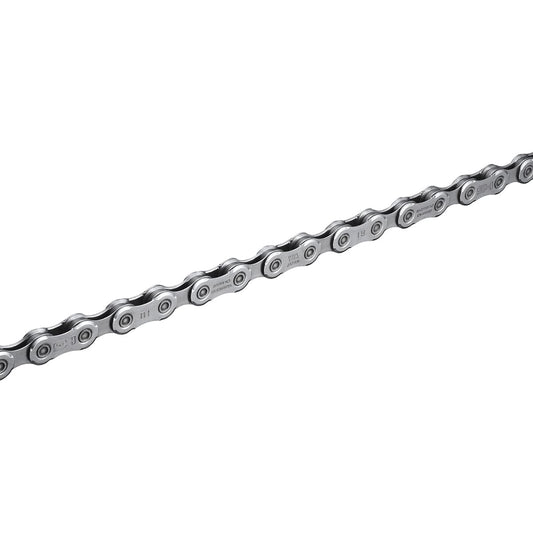
12-Speed Chain SHIMANO DEORE CN-M6100 Quick Link E-Bike Rated
Regular price From 15,99 €Regular priceUnit price per -
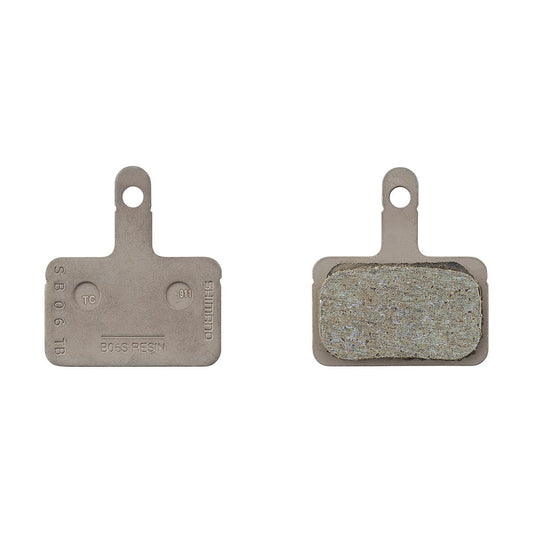
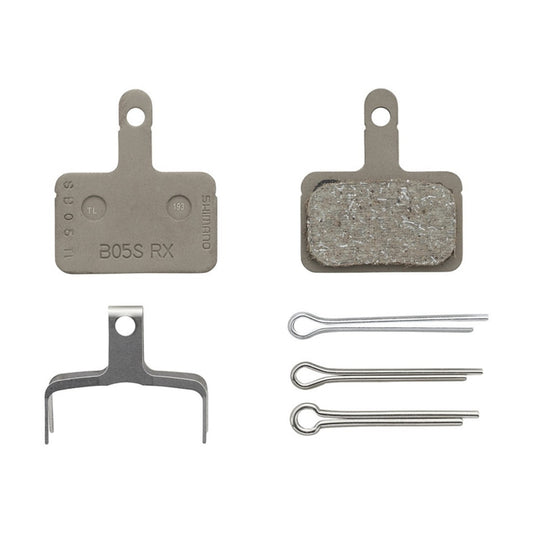
SHIMANO B05S-RX Organic Brake Pads
Regular price 5,99 €Regular priceUnit price per -
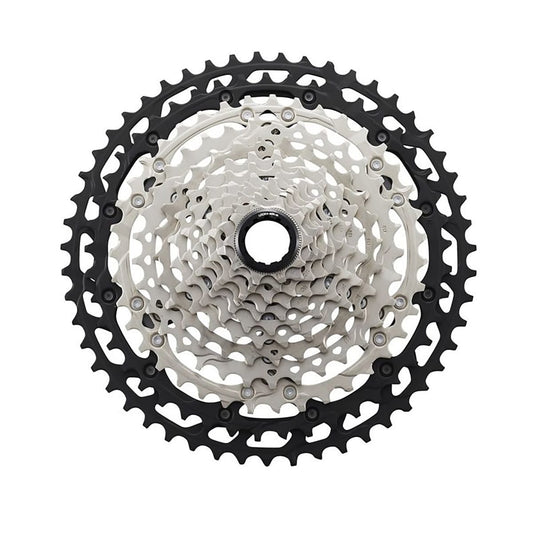
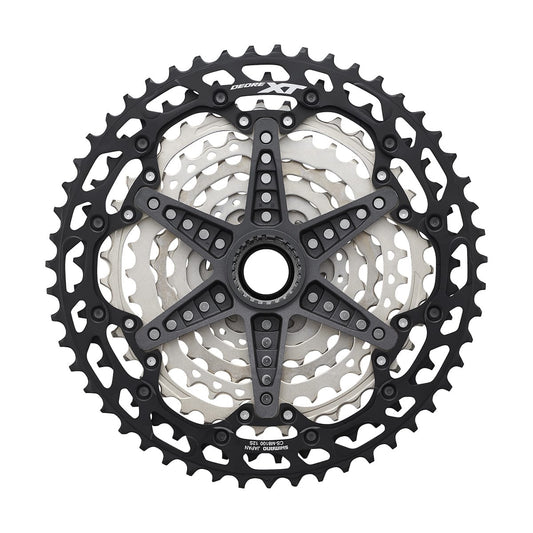
12-Speed Cassette SHIMANO DEORE XT CS-M8100
Regular price From 94,99 €Regular priceUnit price per


