


How to choose an MTB suited to your riding style?

Faced with the multitude of options and models on offer, choosing an MTB is becoming increasingly complex. Material, wheel diameter, kinematics, discipline — here are the keys to help you find the bike that suits you best.
The standards
- Materials: steel, aluminium, carbon, titanium...
- Wheel diameters: 26", 27.5", 27.5+, and 29"
- Kinematics: hardtail or full-suspension
Materials
Largely determining the behaviour of your future bike, the frame material must therefore be the subject of thorough consideration in order to find the one that suits you best, according to your constraints, your aspirations and your budget.
Steel
A steel MTB frame offers great flexibility and incomparable durability at an affordable price. Its greater elasticity compared to other metallic materials makes it physically accessible to all cyclists. Competitive riders will criticise its excessive weight and lack of stiffness. It should however be noted that steel has undergone significant developments in recent years and it is now possible to find high-end steel frames almost as stiff and light as aluminium frames.
Aluminium
Like steel, aluminium frames have evolved greatly. Once having a reputation for being very stiff but not very comfortable, frames made from this alloy have made great progress thanks to the reduction in tube wall thickness, also offering a weight saving. Two types of aluminium are mainly used: 6061 and 7005, the former being considered lighter and the latter more resistant. Some manufacturers also offer frames in scandium. Combined with aluminium, this allows a weight saving of 10 to 15%.
Carbon
Found on high-end frames due to its cost, carbon is the material of choice in modern cycling. Being able to be combined endlessly with other fibres, carbon makes it possible to achieve frames that are certainly high-performing, light and stiff, but physically and technically demanding. Carbon is therefore primarily intended for competitive riders.
Titanium
Finally, a few rare frames are made from titanium. The absolute benchmark in terms of weight/comfort/efficiency ratio, and therefore ideal for Cross-Country riding, titanium nevertheless remains very expensive.
Wheel diameters
Once the material has been selected, the second criterion to take into account is that of the wheels. The wheel diameter will indeed determine all the other characteristics of the bike, particularly the frame geometry and therefore its handling.
The 26"
Historically the standard MTB wheel size, guaranteeing great manoeuvrability and maximum responsiveness, 26-inch wheels are tending to disappear from manufacturers' catalogues, including for more aggressive disciplines. Manufacturers do however retain this option for the smallest frame sizes, primarily for junior bikes.
The 27.5" / 27.5+
The 27.5 is a good compromise between the agility of the 26" and the ease of handling of the 29". There is also a variant, the 27.5+, which allows very wide tyres to be fitted (up to 3"). Less efficient in terms of performance, this standard offers in return very great comfort, exceptional traction and maximum stability. It is found mainly on electric mountain bikes.
The 29"
The 29-inch wheel appeals above all for its increased rollover capability but also its excellent efficiency, making it the standard of choice for riders primarily looking to go fast. This wheel diameter is now well established across the vast majority of disciplines since the appearance of specific geometries and the Boost standard in 2016. It should be noted that the 29-inch is best suited to riders measuring at least 1m70.
In principle, each frame model is designed to be fitted with a specific wheel diameter and it is strongly recommended to respect these specifications. It should however be noted that most 27.5+ frames also allow 29" wheels to be fitted.
Furthermore, some brands mix wheel sizes on the same bike, for example with a 29-inch MTB wheel at the front for rollover capability and steering precision, and a 27.5+ wheel at the rear for traction and comfort.
The bike's kinematics
The hardtail MTB has only front suspension (fork), while the model known as a full-suspension is equipped with both front suspension (fork) and rear suspension (shock absorber). Hardtail models have the advantage of being more efficient when pedalling, lighter, easier to maintain, and more affordable.
Full-suspension MTBs are better suited for riding on difficult and rougher terrain. More expensive, they offer better traction and more effective absorption of shocks and impacts thanks to increasingly high-performing suspension kinematics.
Which frame for my riding style?
Your choice will be guided by the type of riding and the use you intend to make of it, whether you ride to get some fresh air, to keep fit, to seek performance, or to defy gravity with maximum speed and style.
To offer the best possible handling on their complete MTBs, manufacturers carefully select each component and material to provide the best balance between performance, weight, durability and price.
Touring / XC
The ideal is a hardtail bike in steel, aluminium or carbon depending on your performance goals. Some will prefer a full-suspension for more comfort; in 27.5" or 29", with a fork between 100 and 120 mm. Whereas Touring riders will favour a comfortable, fun and reliable MTB, Cross-Country (XC) riders will look for a light and responsive model with an aggressive position.
All-Mountain
We recommend a hardtail or full-suspension bike with 130 to 150 mm of travel, most often in aluminium. For the wheels, you will find 27.5, 27.5+ and 29 depending on whether you prioritise comfort, fun or efficiency. Plenty of options for an MTB capable of climbing very well while also being comfortable on descents, even challenging ones.
Enduro
A full-suspension bike is the one to go for. The amateur will opt for an aluminium frame, while the competitive rider will be tempted by carbon, with 27.5 or 29-inch wheels. For travel, the minimum will be 140 mm, with the most adventurous riders going up to 180 mm. Not necessarily the best performer for climbing, it truly comes into its own on descents.
DH / Freeride
It is necessarily a full-suspension bike, most often still in aluminium even though carbon is becoming increasingly widespread in this area too, for those chasing seconds at the finish line. With 200 mm of travel to absorb everything, and wheels in 27.5" or 29" for maximum responsiveness, precision and speed.
Découvrez tous nos conseils & Tutoriels
MTB Universe
-
SHIMANO XT ULTEGRA CN-HG701-11 E-Bike Rated 11-Speed Chain
Regular price From 24,99 €Regular priceUnit price per -
12-Speed Chain SHIMANO XT ULTEGRA CN-M8100 Quick Link E-Bike Rated
Regular price From 29,99 €Regular priceUnit price per -
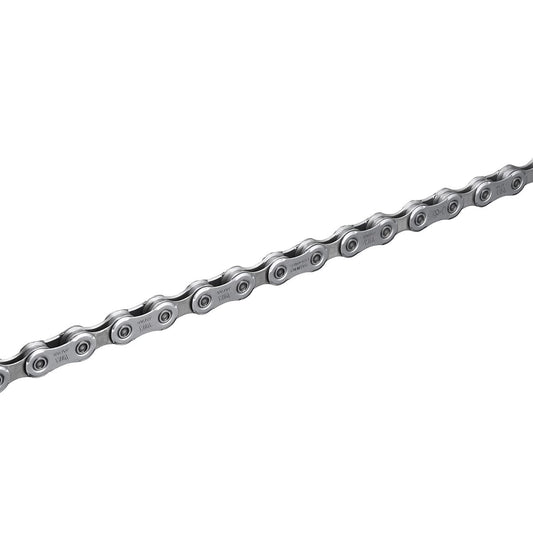
12-Speed Chain SHIMANO SLX 105 CN-M7100 Quick Link E-Bike Rated
Regular price From 18,99 €Regular priceUnit price per -
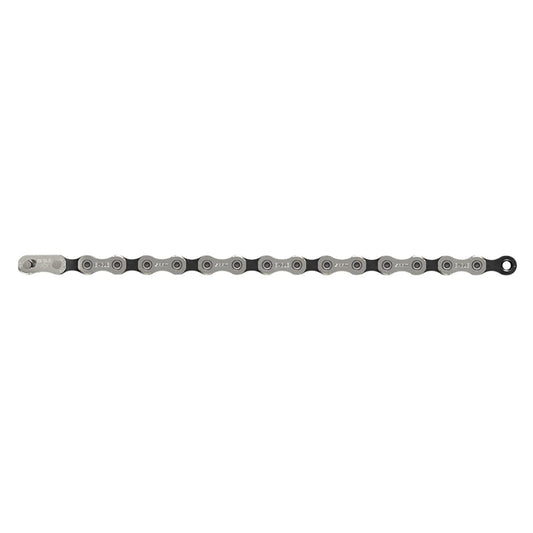
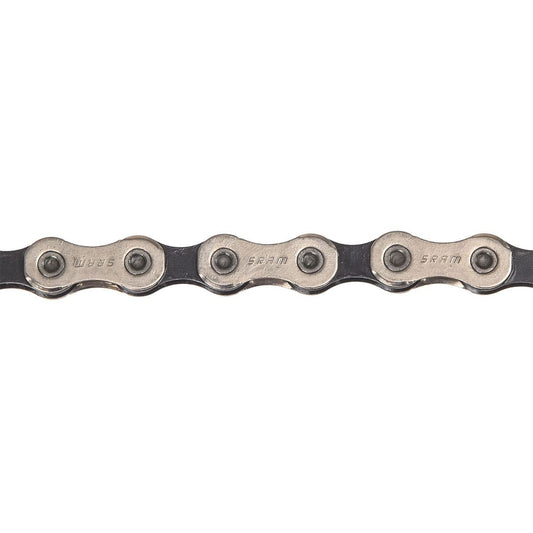
12-Speed Chain SRAM GX EAGLE
Regular price From 19,99 €Regular priceUnit price per -
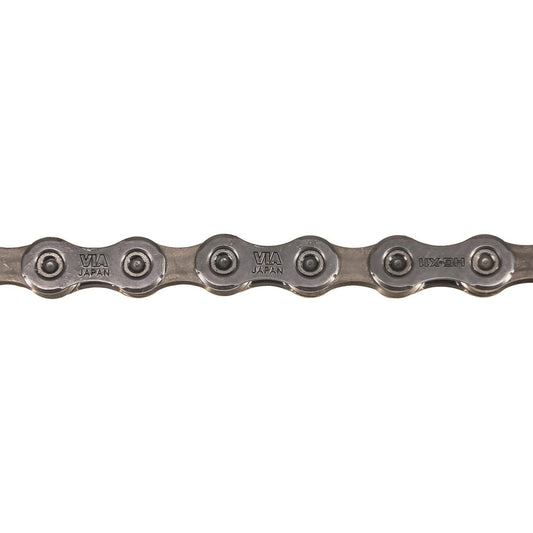
SHIMANO SLX 105 CN-HG601-11 11-Speed Chain E-Bike Rated
Regular price From 18,99 €Regular priceUnit price per -
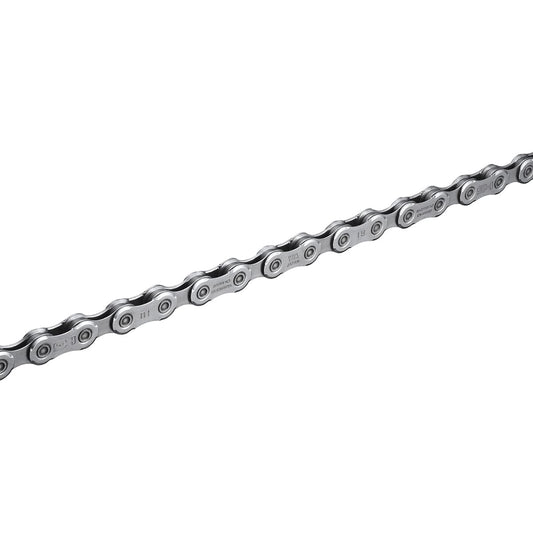
12-Speed Chain SHIMANO DEORE CN-M6100 Quick Link E-Bike Rated
Regular price From 15,99 €Regular priceUnit price per -
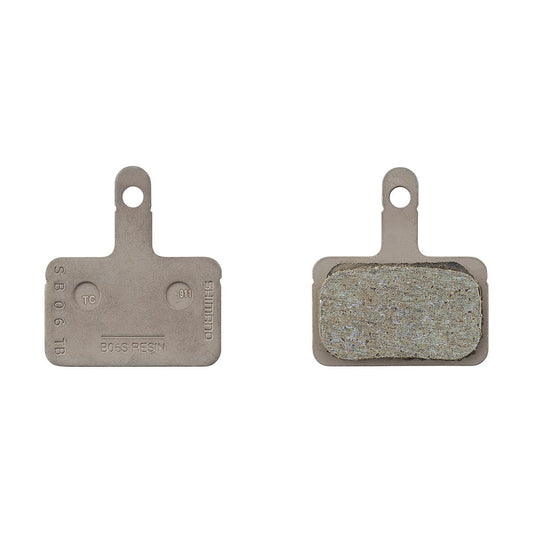
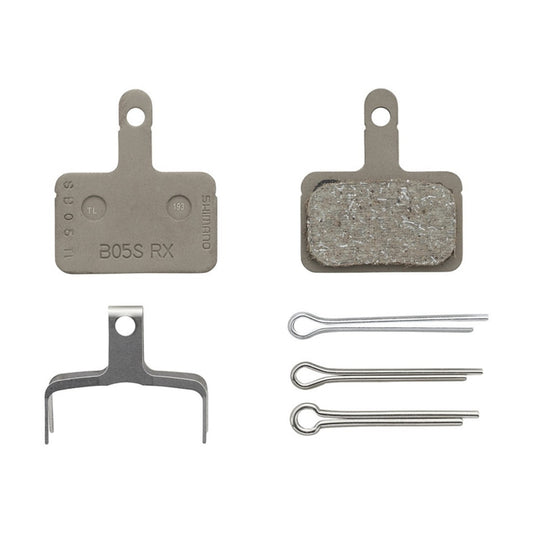
SHIMANO B05S-RX Organic Brake Pads
Regular price 5,99 €Regular priceUnit price per -
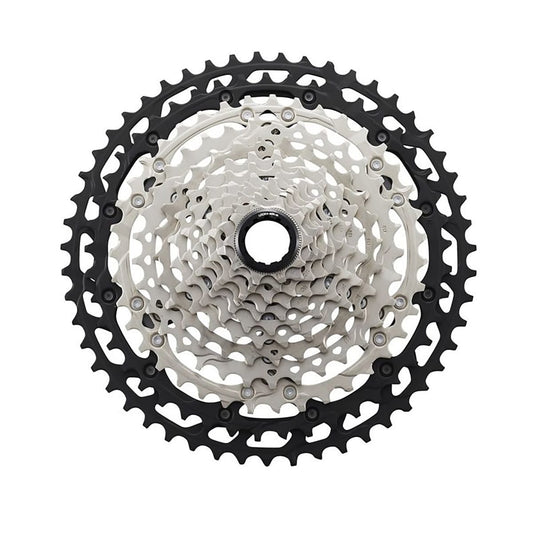
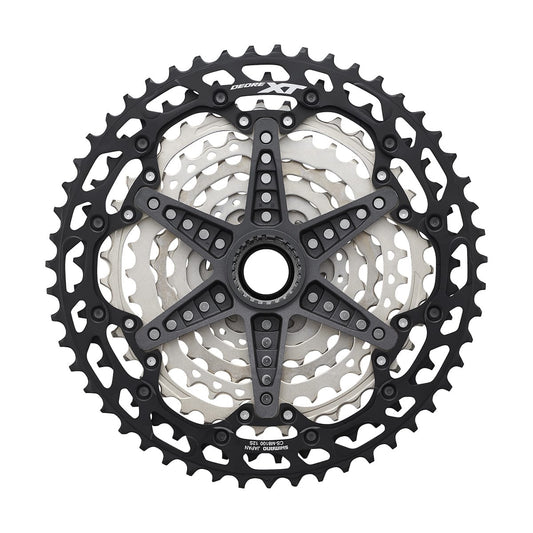
12-Speed Cassette SHIMANO DEORE XT CS-M8100
Regular price From 94,99 €Regular priceUnit price per


