


Everything you need to know about 12-speed MTB drivetrains
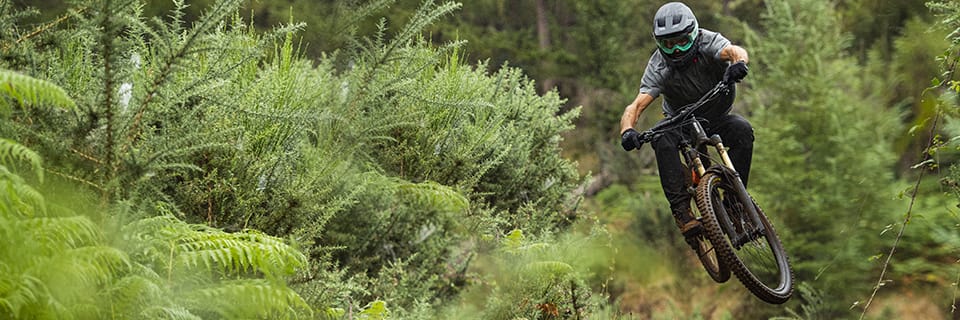
Are you still running a double or triple chainring and your drivetrain is giving you trouble? Do you find the front derailleur difficult to adjust?
So, perhaps it's time to simplify and upgrade your MTB!
The single-chainring system has become a must in MTB riding over the past few years. Some brands offer additional sprockets to add to 9, 10 or 11-speed cassettes while keeping a single chainring on the crankset, but this type of setup can sometimes cause compatibility issues. Over time, it became necessary to standardise these products.
With the arrival of 12-speed, the main manufacturers such as Sram and Shimano have developed specific groupsets featuring multiple technologies. So, why should you switch to 12-speed? What are the standards and who are the market players? How do you check compatibility with your bike? We'll explain everything in this guide to help you choose your new 12-speed groupset.
The advantages of a 12-speed drivetrain?
The main question everyone asks is: "but how do you replace two or three chainrings with just one? Won't we lose gear range?"
The answer is: "no, you won't lose any, because everything is linked to the cassette, which is increasingly packed with technology and innovation"!
As you will have gathered, simply switching to a single chainring while keeping your current cassette will not give you the same gear ratios.
The cassette plays an essential role by offering a greater number of speeds, a more suited gear spacing, a large sprocket that can go up to 52 teeth and a small sprocket down to 9 teeth. We're a long way from 11-32 or 11-34 cassettes in 9 or 10-speed.
The gear range has therefore expanded with 12-speed. As a point of comparison, a double chainring setup with 24/38 teeth and a 10-speed 11/36 cassette is equivalent to a 12-speed single chainring setup with a 10/52 cassette, covering 520% of the gear range.
Of course, by reinventing the cassette, the rear derailleur has also been completely redesigned, as have the chain, the shifter, the crankset and the chainring.
So, the advantages are numerous:
- No more front derailleur — no more hassle with cable adjustments!
- The front shifter is removed and the crankset has a single chainring — a weight saving!
- Simplicity and ease of use — you feel less lost when choosing a gear.
- The responsiveness and precision of gear shifting.
- The question of whether or not the chain crosses is no longer relevant.
- The overall design: fewer cables, housings, derailleurs… the bike looks cleaner.
So we can all agree, 12-speed is a real revolution! Simpler, more precise, less restrictive — you gain in efficiency and can ride with greater peace of mind. Let's get into the details and take a closer look at what the manufacturers have to offer!
The market players
The two giants of the drivetrain world are of course present in the market. But the first brand to have launched the initial innovations is Sram.
Indeed, 2016 marked the dawn of a new generation of 12-speed drivetrains with the arrival of Eagle technology from Sram in the high-end segment. For the first time, it offered a gear range of 500%, equivalent to a double chainring setup, with an 11-36 tooth cassette. The single chainring already existed before, but we were still far from this gear range, which allows a wide variety of terrain and climbs to be covered.
The brand has thus designed specific components such as cassettes in 10-50 or 10-52 teeth, an XD standard freehub body for the wheel hub, a derailleur capable of covering this wide gear range, a suitable shifter, a narrower chain and a single-chainring crankset.
The Eagle range is now very broad, offering groupsets from entry-level right up to the very top of the range. It comes in 5 mechanical versions: SX (entry-level), NX, GX, X01, XX1 and 3 electronic versions: GX AXS, X01 AXS and XX1 AXS.
Shimano entered this market later in 2018, introducing 12-speed on its top-level groupset, the XTR.
The brand offers an ideal combination for Cross-Country or Enduro competitors, with record-breaking weights in the high-end category — including an ultra-light cassette weighing just 370 g in 10-51 teeth, a benchmark! Over the years, the range has expanded and, as is often the case with Shimano, the brand takes the technologies from its flagship XTR and brings them to lower-tier models. The XT drivetrain arrived in 2019, followed by the SLX and Deore drivetrains in 2020.
We find the same developments as Sram, with dedicated components for 12-speed and in particular a specific Microspline freehub body for the wheel hub.
There are other players on the market, such as the brand TRP, which offers a TR12 kit comprising a shifter and a derailleur. The brand Sunrace develops a wide variety of products — derailleurs, shifters, chains and especially cassettes compatible with Shimano or Sram.
We can also mention the manufacturer E-Thirteen with its 12-speed 9-50 tooth cassette, covering a gear range of up to 556% — a first! And finally, the brands MSC, Microshift, KCNC and Garbaruk offer a wide choice of cassettes.
And what about the chainring?
A question we are often asked is: "what tooth count do you use for the chainring?"
The answer is: "it will depend on your riding style and your level."
In short, the larger the chainring, the harder the gear ratio will be to push — ideal for trained competitors. Conversely, a smaller chainring will be easier to push, ideal for more technical terrain, for example.
For XC competitors, a 34-tooth chainring is well suited, and for enduro racing, 32 or 34 teeth depending on the terrain profile.
For sport riders using XC, Trail, All-Mountain or Enduro, this can range from 26 to 32 teeth — 26 or 28 teeth if you ride in the mountains with very steep climbs. A 30-tooth chainring is the right compromise for all levels and rolling, hilly terrain. A 32-tooth chainring suits a regular, well-trained rider (2 to 3 rides per week).
Mechanical or electronic?
You're convinced that a 12-speed drivetrain is right for you, but there's still one question hanging in the air: so what should you choose — mechanical or electronic?
Innovation is constant, as bikes, riding styles and riders continue to evolve. With the rise of the e-MTB, brands are going all in on electronics. Electric drivetrains are nothing new! You may not have known it, but it was Mavic who first innovated in this area back in 1994 with a wired electric system, the Zap Mavic System, and again in 1999 with its wireless electric system, the Mektronic, for road cycling!
At Shimano, the first electronic drivetrain was commercialised in 2009. The technology is called Di2 and is based on an electric cable connecting the components. This innovation can be found across various range levels for road cycling, and also on the XT and XTR ranges in 11-speed for MTB. The 12-speed Di2 and wireless version for MTB has not yet been released by the Japanese brand, but is eagerly awaited!!
It was in 2019 that the first wireless electric groupset arrived in the MTB world, and we have Sram to thank for it! Following the Eagle technology, it's now time for AXS technology on the X01 and XX1 groupsets! Years of research and testing to arrive at a unique concentration of technologies to put an end to cables! Who hasn't struggled with derailleur adjustment, a snapped cable or a seized one?
With the wireless electronic AXS technology, all these drawbacks are removed, even if new ones arise — such as a battery to recharge and a high purchase cost. The brand doesn't stop there, as since early 2021 it has extended the AXS drivetrain to the GX range at a more affordable price.
There is also a dedicated mobile app to make multiple customisations and fine-tune the settings to your needs. Of course, the final advantage is a very clean bike without housings and cables — on a high-end MTB, it simply looks that much better!
To summarise: if maintenance doesn't bother you, your budget is limited and connectivity isn't really your thing, then stick with the 12-speed mechanical drivetrain! On the other hand, if you don't like getting your hands dirty, you love being at the cutting edge of technology, and you have the means to invest — the question doesn't even arise!
You're ready to go, but what about compatibility with your bike? One last read — here we go:
Compatibilities
It's a thorny subject, but it is essential to check your bike's standards before purchasing a 12-speed drivetrain.
For a mechanical or electronic Sram Eagle 12-speed drivetrain:
The first thing to check is your freehub body — it's what makes your cassette spin on your wheel hub!
Your hub must be fitted with a Sram XD freehub body. First and foremost, make sure it can be removed and that your wheel manufacturer offers this Sram XD freehub body as a spare part. Otherwise, you will have to replace the hub or the complete wheel!
Quick tip: if you don't want to change your freehub body, there is a cassette from Sram, the PG-1210, which is compatible with classic Shimano 9/10-speed freehub bodies — but be aware, it is significantly heavier than the XD freehub body versions.
Regarding the crankset, remember to check the standard of your bottom bracket: threaded, Press-Fit, BB30...
If your MTB is fitted with the Boost rear axle standard (12x148 mm rear), make sure you choose a Boost crankset as the chainline is different compared to 12x142 mm or 9x135 mm axle standards.
If you want to make things easy for yourself, 12-speed groupsets include everything you need: derailleur, cassette, chain, crankset, bottom bracket and shifter are all on the menu!
For a Shimano 12-speed drivetrain:
With Shimano, the 12-speed cassette only fits on Shimano MicroSpline freehub bodies. It is therefore essential to check whether your hub can be dismantled and that the part is available from your wheel manufacturer, as this standard is very recent. More and more brands are offering this type of freehub body — Shimano, DT Swiss, Hope, Mavic, FSA, Spank, Fulcrum… the choice is becoming wider, but make sure of compatibility before purchasing.
Another important point: it is essential to check compatibility at the crankset and bottom bracket level. Just like Sram, if your bike uses the Boost standard, make sure to get a crankset Boost.
You can find this Shimano 12-speed drivetrain on a large proportion of current MTBs and e-MTBs — a testament to the trust between bike manufacturers and the Japanese brand.
To summarise the compatibilities:
Bear in mind that an overall replacement is better than replacing parts on a case-by-case basis, given the different wear levels between each drivetrain component. Brands offer complete groupsets or mini-groupsets (derailleur, chain, cassette and shifter). These mini-groupsets are great budget-friendly alternatives to the full groupset — that said, you need to check that your chainring is compatible with a 12-speed chain. Last but not least, Sram and Shimano components are not compatible with each other for 12-speed.
FAMILY - MTB DRIVETRAIN
-
SHIMANO XT ULTEGRA CN-HG701-11 E-Bike Rated 11-Speed Chain
Regular price From 24,99 €Regular priceUnit price per -
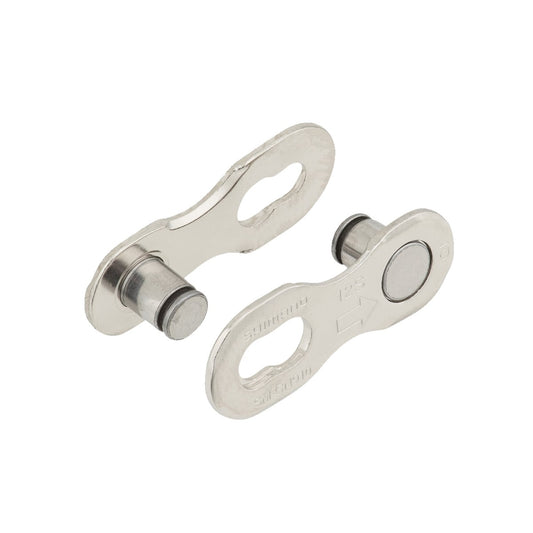
12-Speed Chain SHIMANO XT ULTEGRA CN-M8100 Quick Link E-Bike Rated
Regular price From 29,99 €Regular priceUnit price per -
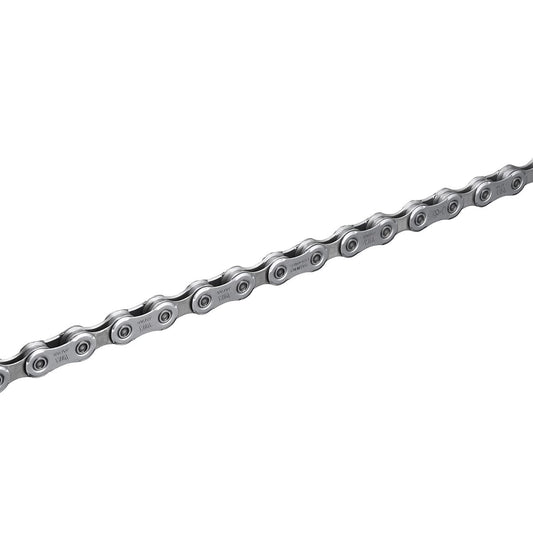
12-Speed Chain SHIMANO SLX 105 CN-M7100 Quick Link E-Bike Rated
Regular price From 18,99 €Regular priceUnit price per -
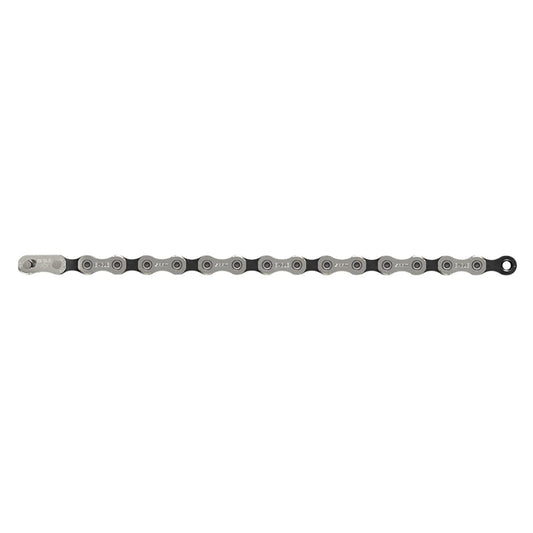
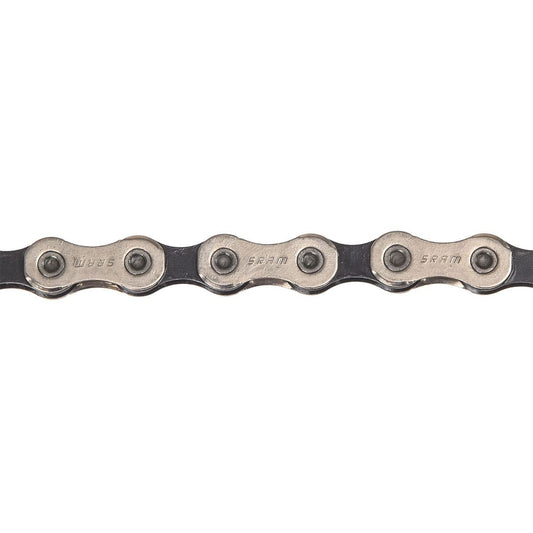
12-Speed Chain SRAM GX EAGLE
Regular price From 19,99 €Regular priceUnit price per -
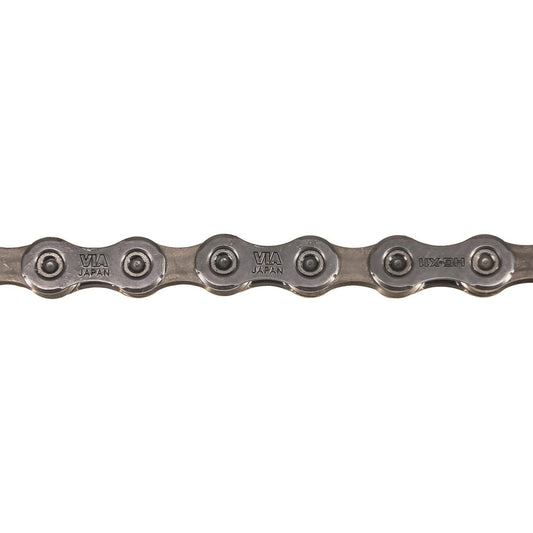
SHIMANO SLX 105 CN-HG601-11 11-Speed Chain E-Bike Rated
Regular price From 18,99 €Regular priceUnit price per -
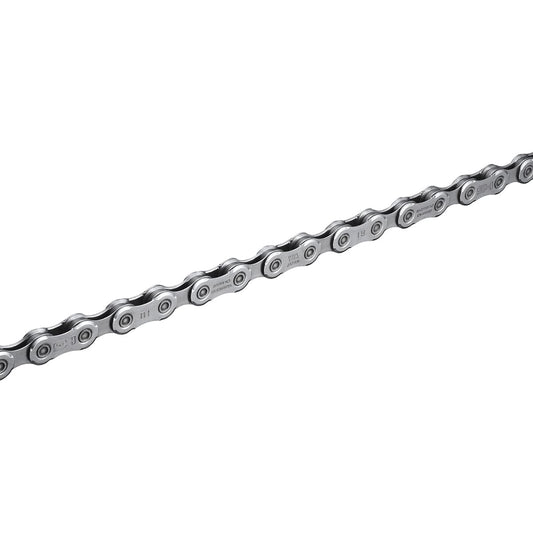
12-Speed Chain SHIMANO DEORE CN-M6100 Quick Link E-Bike Rated
Regular price From 15,99 €Regular priceUnit price per -
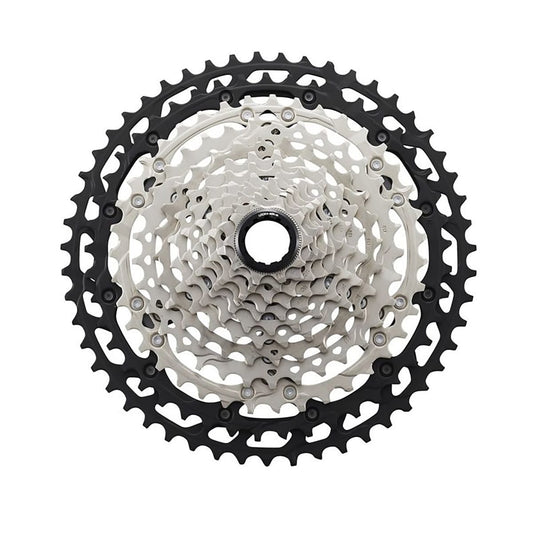
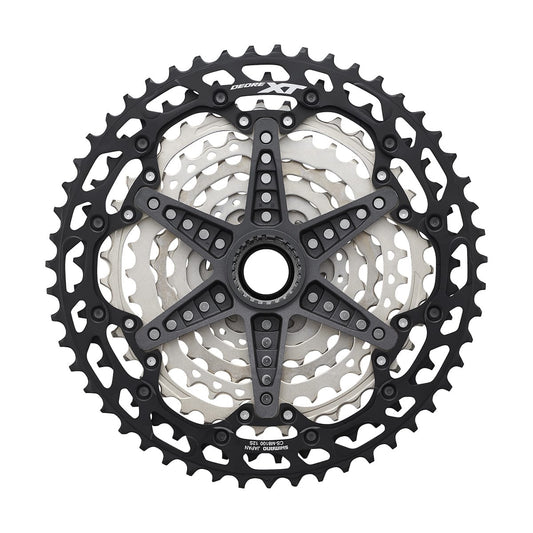
12-Speed Cassette SHIMANO DEORE XT CS-M8100
Regular price From 94,99 €Regular priceUnit price per -
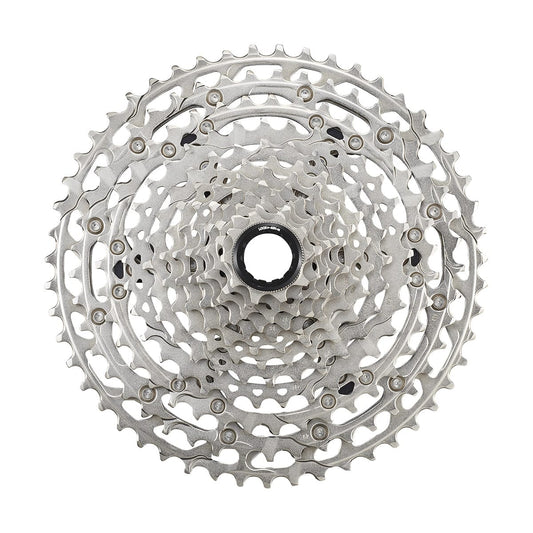
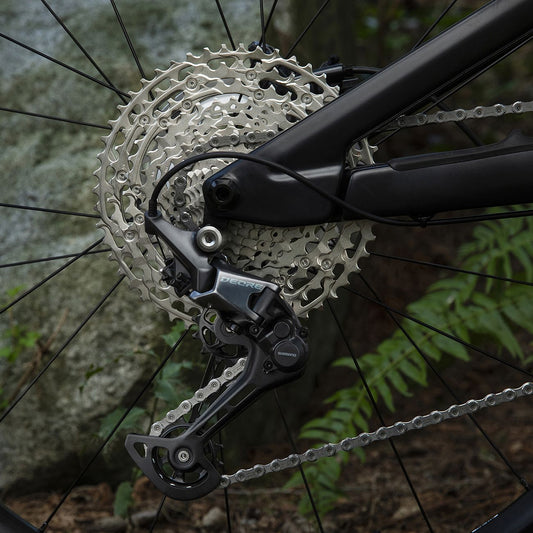
12-Speed Cassette SHIMANO DEORE CS-M6100
Regular price 56,99 €Regular priceUnit price per


